
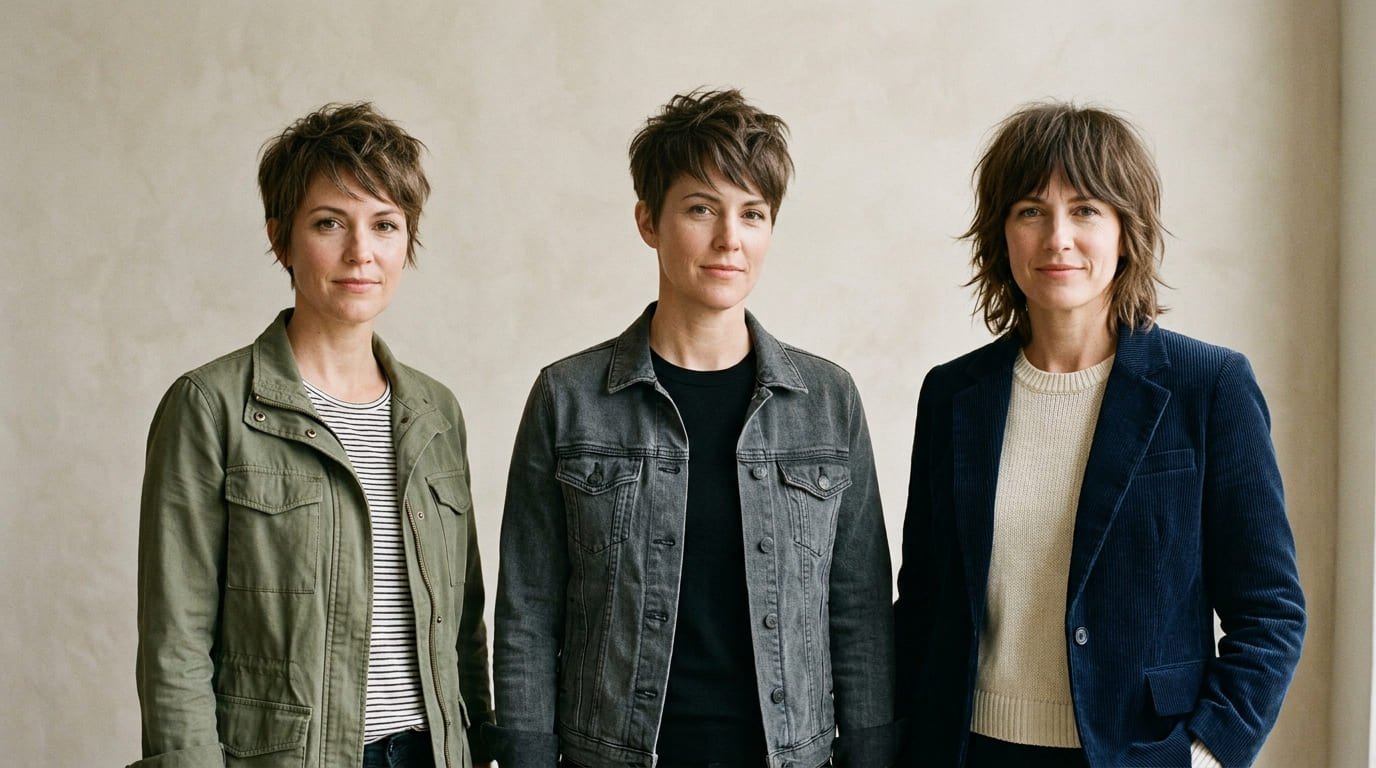
Tomboy haircuts for girls range from a two-minute buzz cut to a shaggy, grown-out look that keeps your length. The right one depends on three things: your face shape, your hair texture, and how much time you want to spend styling each morning. Whether you’re a teen, a young woman, or a parent helping your daughter choose, this guide gives you 25 cuts, the exact words to say at the salon, and a plan for growing it out if you change your mind.
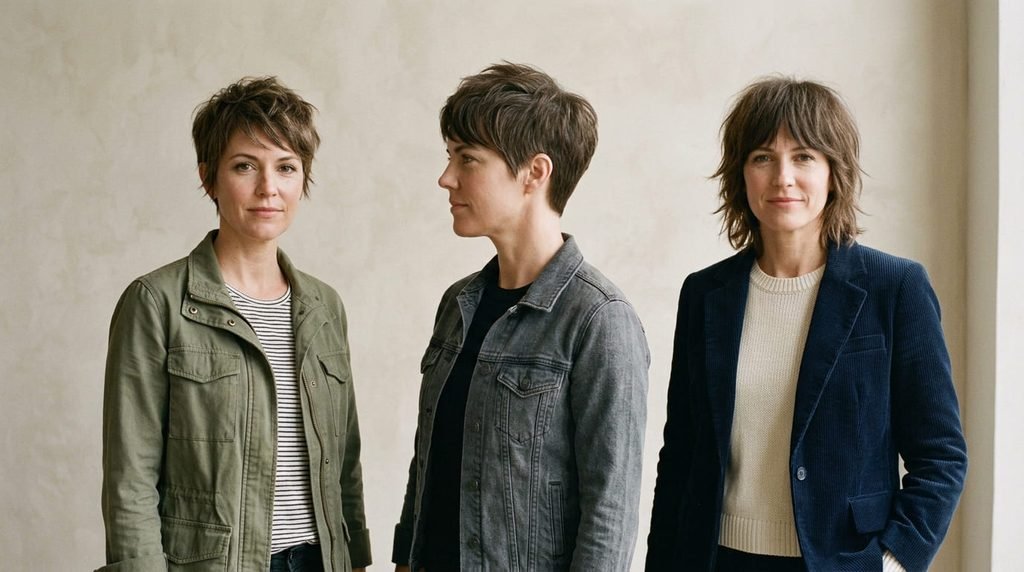
Quick answer: A tomboy haircut is a casual, low-fuss cut, usually shorter on the sides with texture on top. For the easiest upkeep, choose a textured crop or a low taper. For a softer feel, try a pixie with a long fringe. If you’re not ready to go short, a shag, wolf cut, or hidden undercut gives you the look and keeps your length.
Key takeaways
- Choose your cut using three filters: face shape, hair texture, and lifestyle.
- You don’t have to go short. Shags, wolf cuts, and hidden undercuts give the same attitude.
- Every texture works, including curly and coily hair, but each needs the right stylist or barber.
- Bring two or three reference photos and a realistic idea of your daily styling time.
- Short cuts need regular trims. Plan for a visit every 3 to 8 weeks depending on the cut.
What Counts as a Tomboy Haircut (and What Doesn’t)
A tomboy haircut is less a single cut than a look. Most versions share four features: shorter sides or back, texture on top, clean lines, and a “wash it and go” attitude. Some are very short, like a buzz cut. Others keep plenty of length and borrow the attitude through choppy layers or a hidden undercut.
Cropped and buzzed looks have become familiar through public figures such as Zoë Kravitz, Kristen Stewart, Halsey, and Janelle Monáe, which is one reason these styles feel more mainstream than they did a decade ago. You don’t need to copy anyone, though. The goal is a cut that suits your hair and your life.
Pro tip: A tomboy cut is defined by how it’s shaped and styled, not by a specific length. Two cuts at the same length can look completely different depending on texture, fringe, and how the sides are finished.
Tomboy vs. Pixie vs. Androgynous vs. Gender-Neutral Cuts
These terms overlap, and stylists don’t always use them the same way. Here is how they usually differ.
| Term | Defining features | Typical length | Overlap with tomboy style |
|---|---|---|---|
| Tomboy | Casual, low-fuss, often shorter sides with texture on top | Short to medium | The core look |
| Pixie | Short all over, longer on top than on the sides | Short | High, though pixies can also be soft and polished |
| Androgynous | Deliberately blends traditionally masculine and feminine cues | Any | Moderate to high |
| Gender-neutral | Not designed around any gender expectation | Any | Moderate; depends on the cut |
A quick note on the word: “tomboy” means different things to different people, and some find it dated. It’s still the phrase most people search for, so we use it here as a style label. Wear the cut however feels right to you.
Quick Picks: Find Your Cut in 60 Seconds
Short on time? Start with your top priority, then jump to the matching section.
| If you want… | Start with | Go to |
|---|---|---|
| Low maintenance | Buzz cut, textured crop, low taper | Short Tomboy Haircuts |
| Something bold | Fade, undercut pixie, mohawk-style cut | Short Tomboy Haircuts |
| A softer, more feminine feel | Pixie with a long fringe, choppy bob | Medium-Length Tomboy Haircuts |
| An easy grow-out | Shag, wolf cut, grown-out pixie | Growing Out a Tomboy Haircut |
| School-friendly | Textured crop with long fringe, short layers | Teen-Friendly Tomboy Haircuts |
How these cuts were chosen: We selected styles that cover a range of lengths, hair textures, and upkeep levels, and that a stylist can adapt to different hair types. We also favored cuts with a realistic grow-out path. Results always depend on hair density, growth patterns, and the skill of your stylist, so treat every cut here as a starting point for a consultation, not a guarantee.
Short Tomboy Haircuts for Girls Who Want a Big Change
Going short is a commitment, but it’s the fastest way to get the look. Expect a visible change, regular trims to keep the shape sharp, and a style that dries and styles quickly.

Crops, Pixies, and Textured Tops
1. Textured pixie. Short sides with choppy, lifted layers on top. Finger-style it with a small amount of matte paste. Best for: most face shapes. Upkeep: moderate. Ask for: “a pixie with lots of texture on top, not a smooth, polished finish.”
2. Classic crop. A short, even cut with a little more length on top. It looks neat even on a rushed morning. Best for: oval and heart-shaped faces. Upkeep: low to moderate. Ask for: “a short crop with scissor-cut texture.”
3. Crop with a side fringe. The swept fringe softens the look and frames the face, a good middle ground if you want edge without losing softness. Best for: round and square faces. Upkeep: moderate. Ask for: “short sides with a longer, swept fringe.”
4. Slicked-back short cut. Enough length on top to comb back with a little product. It looks polished for events and relaxed when air-dried with texture. Best for: straight to wavy hair. Upkeep: moderate. Ask for: “a few inches on top with tapered sides.”
Undercuts, Tapers, and Fades
5. Undercut pixie. The sides are clipped close while the top stays longer, and the contrast creates the edge. Best for: thick hair that needs weight removed. Upkeep: higher, because the sides grow out visibly. Ask for: “an undercut with a guard length I can grow out.”
6. Low taper. Hair gradually shortens around the ears and neckline. It’s subtle and tidy, and a good first short cut. Best for: anyone trying short hair for the first time. Upkeep: moderate. Ask for: “a low taper, scissor-cut on top.”
7. Fade with a textured top. The sides blend from short to very short, with length left on top. Best for: confident, bold looks. Upkeep: high, because fades usually need frequent touch-ups. Ask for: “a low, mid, or high fade,” and bring a photo, since each looks different.
8. Mohawk-style cut. Clipped sides with a strip of longer hair down the center. Wear it spiked for drama or flat for everyday. Best for: anyone who wants a statement. Upkeep: high. Ask for: “a soft mohawk,” and show your stylist how wide you want the center strip.
Buzz Cuts and Ultra-Short Styles
9. Classic buzz cut. One guard length all over, and the lowest-effort cut here. It shows your head shape, so many people try a longer guard first. Upkeep: very low daily, but frequent clipper maintenance. Ask for: a single guard length all over, starting longer than you think you need. You can always go shorter, but you can’t go longer.
10. Bleached or colored buzz. The same cut with a color change that adds personality without any styling. Bleaching can dry hair and irritate the scalp, so have a professional colorist do it and ask about aftercare.
11. Tapered buzz with a longer top. Very short sides with a slightly longer, textured top. It sits between a buzz cut and a crop and grows out easily if you decide it isn’t for you.
Medium-Length Tomboy Haircuts for Girls Who Aren’t Ready to Go Short
You can get the attitude without losing all your length. The tricks are texture, choppiness, and a little contrast rather than a drastic chop.

Shaggy and Choppy Layers
12. Shaggy layers. Lots of layers and a lived-in finish. Air-dry it with a texture spray. Best for: wavy and straight hair. Upkeep: low. Ask for: “a lived-in shag with face-framing layers.”
13. Textured lob. A long bob with choppy ends, falling around the collarbone. You can still tie it back for sports. Best for: anyone who wants a shorter look without losing the ponytail. Ask for: “a lob with texturized ends, not blunt.”
14. Choppy bob with a razored edge. A chin-length cut with intentionally uneven ends that reads casual rather than polished. Best for: straight and wavy hair. Razored ends can fray very fine or frizz-prone hair, so ask your stylist whether it suits your texture.
Mullet-Inspired and Wolf-Style Cuts
15. Wolf cut. Short, wispy layers on top blending into longer lengths at the back. It works best with some natural wave or bend. Ask for: “a wolf cut with soft, blended layers.”
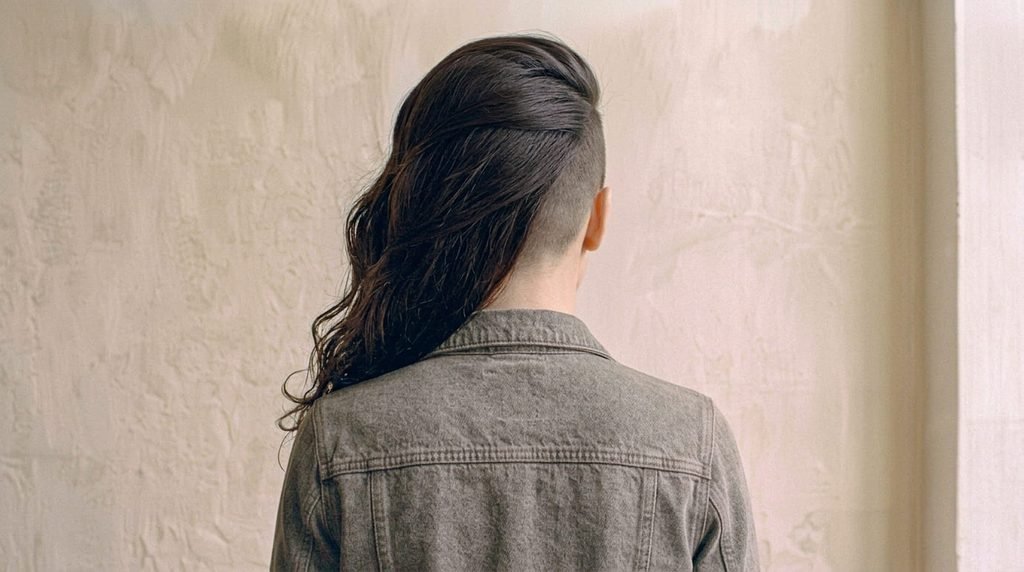
16. Soft mullet. Shorter in front and at the sides, longer at the back. Modern versions are usually softer than the 1980s original. Ask for: “a soft mullet with blended layers.”
17. Shaggy mullet. A bolder version with more contrast between top and back. It needs more frequent shaping to keep the silhouette, so expect to visit your stylist more often than with a simple shag.
Long-Top, Short-Side Combinations
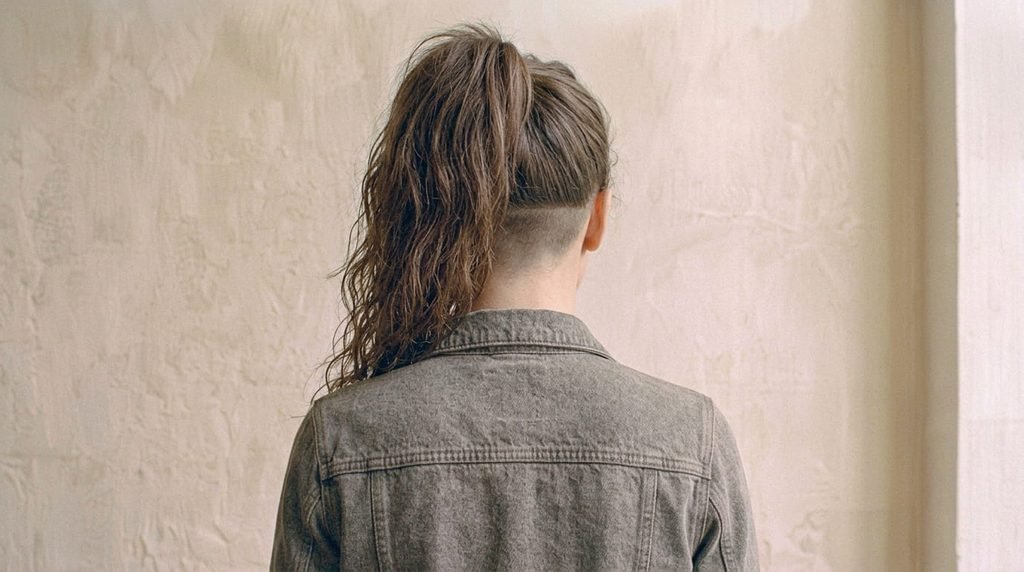
18. Long top with a hidden undercut. Your length stays visible, and the shorter sections show only when you tie your hair up. It’s a low-risk way to test an undercut.
19. Side-shaved accent. One side is clipped short while the rest stays long. It’s a bold choice, so bring photos and ask how it will grow out.
20. Grown-out pixie. A pixie left to lengthen into a messy, layered cut. It’s a stylish stop on the way to longer hair, or a destination in itself.
Want the look without a big cut? Try texture-only changes: a layered cut, a longer fringe, or a hidden undercut. They give you the attitude with little risk.
Which Tomboy Haircut Suits My Face Shape?
Face shape isn’t a strict rule, but it’s a good starting point. To find yours, pull your hair back, look straight into a mirror, and compare the widest parts of your forehead, cheekbones, and jaw.

| Face shape | Cuts that tend to flatter | Approach carefully | Styling tip |
|---|---|---|---|
| Round | Textured crop with height on top, side-swept fringe | Very rounded, even cuts | Add volume at the crown to lengthen the face |
| Oval | Most cuts, including pixies and fades | Few restrictions | Choose by texture and lifestyle |
| Square | Soft, textured tops; wispy fringe | Very sharp, blunt lines | Texture softens a strong jaw |
| Heart | Side-swept fringe, chin-length cuts | Very short, tight sides with no balancing length | Keep some fullness near the jaw |
| Diamond | Fringe, side-swept pieces | Styles that add width at the cheekbones | A fringe can balance the forehead |
| Long | Choppy bobs, cuts with width | Extra height on top | Keep volume at the sides |
Round and Square Faces
For round faces, height on top and a side-swept fringe create the look of length. For square faces, soft texture and wispy edges balance a strong jawline.
Oval and Long Faces
Oval faces suit almost any cut. Long faces usually look better with width at the sides, so avoid adding too much height.
Heart and Diamond Faces
A fringe or longer pieces near the jaw can balance a wider forehead or cheekbones. Ask your stylist how to keep the proportions even.
Glasses Wearers and Big Foreheads
Choose a fringe that sits above or around your frames, and ask your stylist to check the cut while you’re wearing your glasses. A longer, swept fringe can soften a larger forehead.
Tomboy Haircuts by Hair Texture and Density
The same cut can look completely different on straight and coily hair. Every texture can pull off the tomboy look, but each needs its own approach.

Straight Hair
Straight hair shows clean lines and blunt edges well, but it can look flat. Ask for texturizing and use a light texture spray for lift.
Wavy Hair
Waves add built-in texture, which suits shags, wolf cuts, and choppy bobs. Avoid over-thinning the ends, which can lead to frizz.
Curly Hair
Curls give short crops natural volume. Choose a stylist who cuts curly hair, ideally one who cuts dry or curl by curl, and ask how much the curls will spring up once they dry.
Coily and Tightly Textured Hair
Tapers, shaped crops, and fades look great on coily hair, and a clean shape-up makes the cut look crisp. Barbers often have deep experience with tapers and fades on tightly textured hair, while many stylists specialize in shaping and moisture care. Ask to see photos of their work on hair like yours.
Fine or Thin Hair vs. Thick Hair
Fine hair can look fuller in a short, blunt-textured crop. Thick hair often benefits from thinning or an undercut to remove bulk.
| Hair type | Best approach | Products to use | Common mistake |
|---|---|---|---|
| Straight | Textured crops, clean tapers | Texture spray, light paste | Cutting it too smooth and flat |
| Wavy | Shags, choppy layers | Sea salt spray, light cream | Over-thinning the ends |
| Curly | Shaped crops, soft tapers | Curl cream, gel | Picking a stylist with no curly-hair experience |
| Coily | Tapers, fades, shaped crops | Moisturizer, leave-in conditioner | Skipping moisture after a short cut |
| Fine/thin | Blunt, textured shapes | Volumizing powder | Too many layers that remove weight |
| Thick | Undercuts, thinned layers | Pomade, clay | Leaving bulk that makes the cut puff out |
Tomboy Haircuts for Kids and Younger Girls
If you’re a parent, the best tomboy haircut for your daughter is one she picks and feels comfortable in. Practical factors matter too: sports, school routines, and how much brushing she’s willing to tolerate.
21. Chin-length bob with a side part. Quick to dry, easy to tuck behind the ears, and simple to maintain between trims.
22. Soft pixie for kids. Short and low-fuss, with enough length on top to style a few ways. Ask the stylist for a cut that can be washed and shaken dry.
23. Short layered cut. Keeps some length for ponytails but cuts down on tangles.
Trim schedule: Short cuts for kids often look best with a trim every six to eight weeks, though your stylist can advise based on how fast her hair grows. Let your daughter look through reference photos with you, and keep the conversation about what she likes rather than what she “should” wear. When saving inspiration, use only appropriate, properly licensed images.
Teen-Friendly Tomboy Haircuts and How to Talk to Your Parents
Teens often want a cut that works with school rules, sports, and busy mornings, and that doesn’t feel like a mistake after a month.
24. Textured crop with a long fringe. School-friendly, easy to restyle, and it grows out gracefully into a shag.
25. Soft undercut with a longer top. Wear it down for school and show off the shorter sections on weekends.
Handling Regret Fears and Getting Parent Buy-In
Worried your parents will say no, or that you’ll regret it? These steps help:
- Bring reference photos. Pictures prevent misunderstandings about what you want.
- Start smaller. Try a hidden undercut or a long shag before a full chop.
- Choose a cut with a grow-out path. It shows you’ve thought it through.
- Explain the practical benefits: less styling time, easier sports routines, and so on.
Sample ask: “I’d like to try a textured crop. It takes less time to style, I can still tie it back for sports, and if I don’t like it, it will grow out into a shag. Can we book a consultation so the stylist can tell us what’s realistic for my hair?”
Lifestyle Picks: Sports, School, Work, and Everyday Wear
Your daily routine should shape your cut as much as your face does.

- Athletes: Short crops, tapers, or buzz cuts work well with helmets, sweat, and swimming. Rinse after swimming, since chlorine can dry hair out.
- Students: Low-effort cuts that survive a morning rush and a backpack strap.
- Professionals: Neat tapers, soft crops, and bobs work in most offices. Check your workplace dress code if you’re unsure.
| Lifestyle | Best cut | Daily effort | Product needs |
|---|---|---|---|
| Athlete | Buzz cut, short crop, low taper | Very low | Gentle shampoo, moisturizer if needed |
| Student | Textured crop, short layers | Low | Light texture spray |
| Work | Soft pixie, neat taper | Low to moderate | Paste or cream |
| Weekend/creative | Fade, mullet, mohawk style | Moderate | Clay, pomade |
How to Ask Your Stylist or Barber for a Tomboy Haircut
“Tomboy” doesn’t tell a stylist exactly what to do, so use concrete language and visuals.

Barber or salon? Barbers often specialize in clippers, tapers, and fades. Salon stylists often specialize in scissor work, layers, and color. For a clipper-heavy cut, a barber may be the better fit. For a layered shag or a color change, try a salon. Many professionals do both, so check their portfolio first.
Words and Terms to Use
- Guard length: the clipper setting that determines how short the hair is cut.
- Taper vs. fade: a taper shortens gradually; a fade usually blends down to a much shorter length or to the skin.
- Texturizing: removing bulk or adding movement.
- Fringe: the front section of hair across the forehead, also called bangs in the US.
What to Bring
- Two to three reference photos, ideally on hair like yours
- Your hair history (color, chemical treatments)
- A realistic idea of how much time you’ll spend styling
Sample script: “I’d like a short, textured crop with a taper on the sides and some length on top. I only want to spend a couple of minutes styling it, so I need something low-maintenance. Here are some photos. What do you think would work for my hair type?”
Questions to ask before they cut:
- How will this look as it grows out?
- How often will I need trims?
- What products do you recommend?
- What will it cost, including touch-ups?
Styling, Products, and Maintenance Schedule
Short cuts often need less daily styling, but they need regular trims to keep their shape.
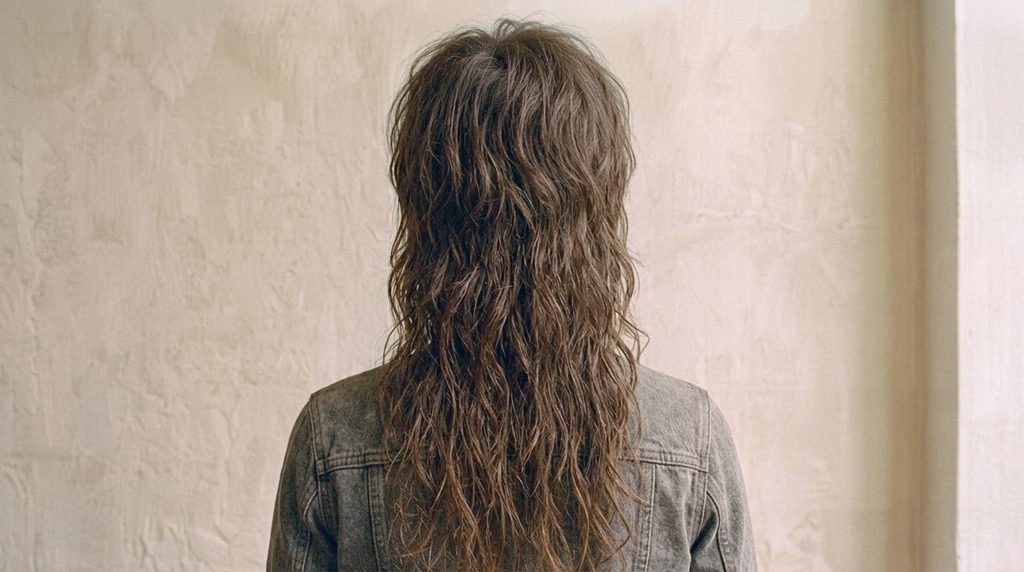
Product basics:
- Matte clay, paste, or wax: texture and hold without shine.
- Texture or sea salt spray: lift and a lived-in finish.
- Lightweight cream or serum: smoothing and moisture for curly or coily hair.
- Dry shampoo: refreshes roots between washes.
| Cut type | Typical trim frequency | Styling time | Relative upkeep cost |
|---|---|---|---|
| Buzz cut | Every 2–4 weeks (or home clippers) | Almost none | Low if done at home; more if done in a shop |
| Fade or undercut | Every 3–5 weeks | 2–5 minutes | Higher, because of frequent visits |
| Crop or pixie | Every 4–6 weeks | 3–5 minutes | Moderate |
| Shag, lob, wolf cut | Every 6–10 weeks | 5–10 minutes | Lower, because of fewer visits |
These ranges are general, and your stylist can tailor them to your hair’s growth rate. Prices vary a lot by city and by whether you visit a barbershop or a salon, so ask for a quote when you book. As a rule, cuts that need trims more often add up to more over a year, even if each visit costs the same.
A word on DIY: Touching up your neckline or using a clipper guard at home can be fine. A full fade, an undercut, or a major reshaping is trickier, and mistakes show immediately, so a professional is the safer choice.
How Do You Grow Out a Tomboy Haircut?
Hair typically grows about half an inch per month, so patience helps. Here is what to expect:
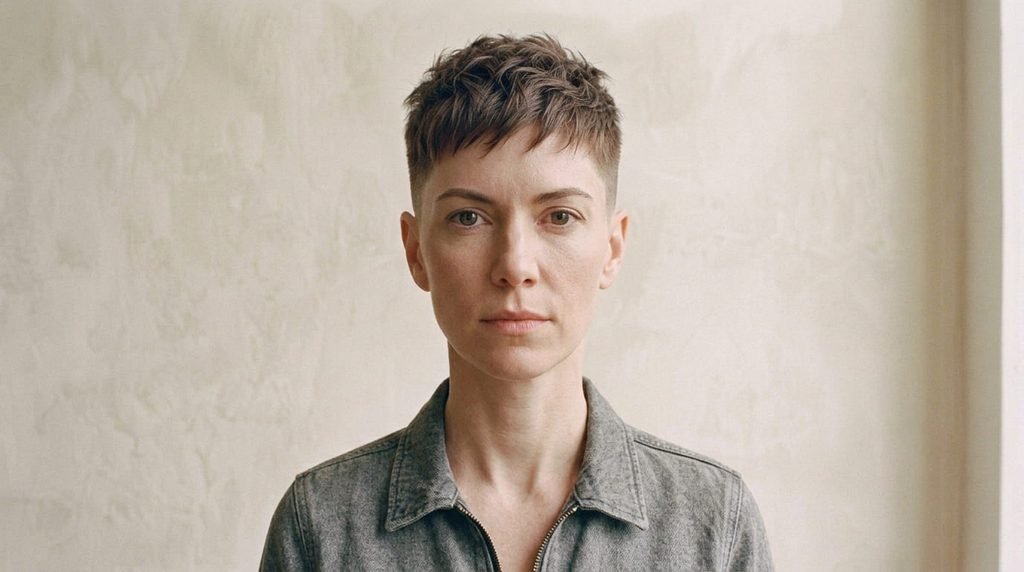
- Months 1–2: The sharp shape softens. Use texture products to keep it neat.
- Months 3–4: Sides and top start to blend. This is where the awkward in-between begins, so ask your stylist for a shaping trim.
- Months 5–8: You may have a shag or a grown-out pixie. Headbands, clips, and a side part help.
- Beyond: Keep trimming lightly every couple of months to avoid heavy ends.
Timelines vary with your starting length and how fast your hair grows.
Trim strategy: Don’t skip trims entirely. Small shaping trims keep the grow-out looking intentional. Tell your stylist you’re growing it out so they can plan the cut around it.
When a Tomboy Cut May Not Be Right, and What to Try Instead
A tomboy cut isn’t right for everyone. It’s worth pausing if any of these apply:

- You love flexible styling, like braids and updos, and would miss them.
- You’re worried about regret, or the decision feels rushed.
- Your hair texture needs a specialist and you can’t find one nearby.
- You have a medical or hair-loss concern. In that case, talk to your doctor and a stylist experienced in your situation first.
Low-commitment alternatives:
- Try a wig or clip-ins to test the look.
- Choose a partial undercut you can hide.
- Go for short layers instead of a major chop.
And if you worry about femininity, remember that short hair doesn’t take anything away from who you are. The best haircut is the one that makes you feel like yourself.
Tomboy Haircuts for Girls: Frequently Asked Questions
What is a tomboy haircut?
A tomboy haircut is a casual, low-fuss style, often short on the sides with texture on top. The term covers many cuts, from buzz cuts to choppy medium-length shags.
What’s the difference between a tomboy cut and a pixie cut?
A pixie is a specific short cut that’s longer on top than at the sides. A tomboy cut is a broader look that can include pixies but also covers fades, crops, and medium-length styles.
Which tomboy haircut is lowest maintenance?
Buzz cuts and simple textured crops need the least daily styling. They still need regular trims to stay neat.
Can girls with curly or coily hair get a tomboy haircut?
Yes. Tapers, shaped crops, and fades work well on curly and coily hair. Choose a stylist or barber experienced with your texture.
Do tomboy haircuts work on thin or fine hair?
Often, yes. Blunt, textured crops can make fine hair look fuller. Ask your stylist to avoid over-layering.
How often should I trim a short tomboy cut?
Many short cuts look best with a trim every four to six weeks. Fades may need more frequent visits.
Can I get a tomboy look without cutting my hair short?
Yes. Choppy layers, a shag, a hidden undercut, or a wolf cut can create the look while keeping length.
How do I grow out a tomboy haircut?
Plan for a few months of in-between lengths, get light shaping trims, and use clips or headbands to manage the awkward stage.
Are tomboy haircuts right for young girls?
They can be, especially when the child chooses the style and the cut is easy to maintain. Comfort and practicality matter most.
What should I bring to the salon?
Bring two or three reference photos, your hair history, and a realistic idea of how much styling time you want.
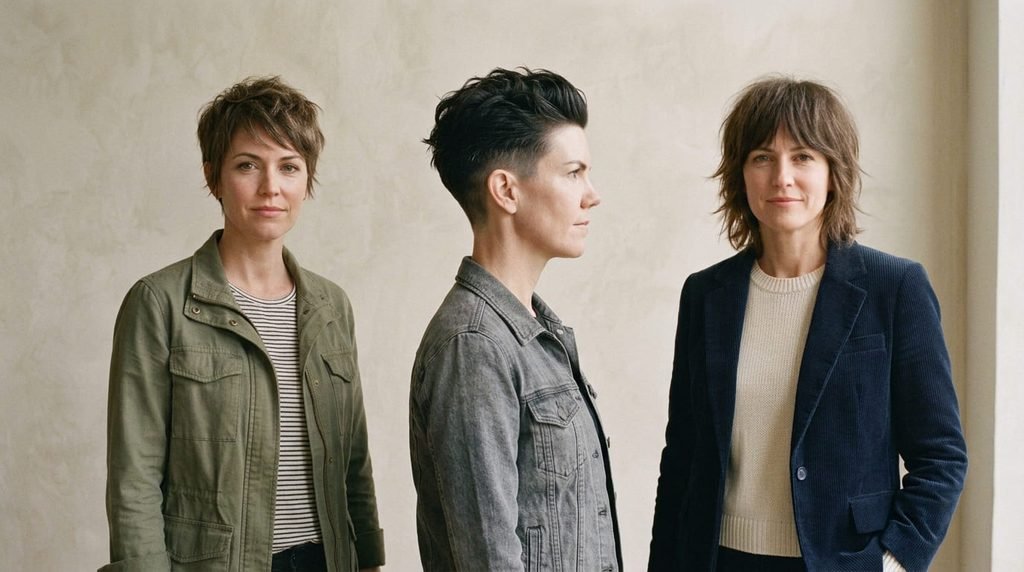
Choosing Your Tomboy Haircut With Confidence
Run every option through three filters: your face shape, your hair texture, and your lifestyle. A cut that passes all three will look better and feel easier to live with than one chosen only because it’s trending.
The best tomboy haircut is the one that feels like you and is realistic to maintain. If you can’t decide, start with a medium-length option or a hidden undercut and see how you feel.

Harry is a hair and beauty content creator at HairGlowBlog, sharing practical tips on hairstyles, hair care, hair styling, and beauty trends. Her content focuses on easy hairstyle ideas, hair care routines, styling tips, and inspiration for different hair types and occasions.



Leave a Reply