
Last updated: October 11, 2026
A choppy razor cut pixie is a short haircut shaped with a razor so the ends look tapered, feathered, and piecey. Instead of a blunt, uniform crop, you get movement and a soft, tousled finish. It can make fine hair look fuller, take bulk out of thick hair, and give a classic pixie a modern edge.
It also raises fair questions. Will a razor damage your hair? Will it work on your texture? How do you describe it so your stylist gets it right? This guide answers each one.
Key takeaways
- Best for: Fine, thick, straight, or loosely wavy hair
- Be cautious if: Your hair is very coarse, tightly curled, or already damaged
- Styling time: About 3 to 5 minutes with a texture product
- Trim schedule: Typically every 4 to 6 weeks
- Biggest success factor: A stylist who uses razors regularly

What Makes a Pixie “Choppy” and “Razor Cut”?
Three ideas sit inside the name.
- Pixie is the length: short at the nape and sides, slightly longer on top.
- Choppy is the finish: hair cut at varied lengths so it looks broken up and piecey.
- Razor cut is the technique: the stylist shapes the hair with a razor, which tapers each strand.
Choppy describes how the cut looks, razored describes how it’s made, and textured is the umbrella term for any cut with built-in movement. A choppy razor cut pixie is one specific way to get a textured pixie. Pixie cuts have a long history in fashion, which is part of why the style keeps returning.
Razor Cutting vs. Scissor Cutting: Why the Technique Matters
Scissors usually cut straight across for a clean line. Point cutting (snipping into the ends at an angle) softens the edge and removes weight. A razor or feather razor glides through the hair and tapers each strand to a finer point, which creates the wispy, shredded edge.
| Technique | Finish | Works well on | Watch out for |
|---|---|---|---|
| Blunt scissor cut | Clean, solid edge | Fine hair needing weight | Can look heavy on thick hair |
| Point cutting | Soft, slightly broken edge | Most hair types | Less dramatic than a razor |
| Razor cutting | Tapered, feathered, piecey | Straight to wavy hair of any density | Frizz or fraying on coarse, curly, or damaged hair |
No method is automatically better. Many stylists combine them, using scissors for structure and a razor or thinning shears for texture on top.
Is a Razor Cut Bad for Your Hair?
Not necessarily. A razor cut is usually fine on healthy, straight to wavy hair when a skilled stylist uses a fresh, sharp blade. It’s riskier on dry, bleached, coarse, or tightly curled hair, where it can leave ends rough or frizzy. Your hair type and your stylist matter more than the tool itself.
A razor tapers ends instead of cutting them straight across, which creates that soft, feathered finish. The risk is the cuticle (the hair’s outer protective layer). On dry, bleached, coarse, or tightly curled hair it’s already fragile, so a razor can roughen it.
Professional educators say the same thing. Russell Mayes, director of content at the hairdressing education brand JATAI, notes that whether a razor suits your hair depends more on your cuticle type than on whether your hair is curly, and that some cuticles tend to bristle when cut at an angle and do better with a blunt cut. He also points out that drier hair textures don’t respond as well to razor cutting, and that a dull blade causes cuticle damage a fresh blade would have prevented. (Source: JATAI)
Two things matter most:
- Stylist skill. Razor work takes practice. Ask how often they use razors and look at examples of their work.
- Blade condition. A fresh, sharp blade glides through hair. A dull one can tug, snag, and rough up the cuticle.
If your hair is stressed from bleach or heat, say so upfront. Your stylist may suggest scissors or point cutting for the texture instead. Many stylists also mix methods, for example cutting the shape blunt with scissors and softening it afterward with a razor, or razoring the whole shape and then making the perimeter blunter with scissors.
Who the Choppy Razor Cut Pixie Suits Best
Hair type decides how this cut turns out more than anything else.
- Fine or thin hair: Layers create the look of volume at the roots. Avoid over-thinning, which can make ends look see-through.
- Thick hair: One of the best matches. The razor removes bulk so the cut sits lighter instead of looking boxy.
- Wavy hair: Natural waves add built-in texture. Ask your stylist to cut with your wave pattern.
- Curly or coily hair: Use caution. Razors can disrupt curl patterns and cause frizz. Choose a stylist experienced with curls who may use scissors or another texturizing method.
- Gray or mature hair: A soft, textured pixie adds lift. Because gray hair can run drier, keep ends moisturized and ask for a lighter touch.
| Hair type | How the cut behaves | Ask for | Avoid |
|---|---|---|---|
| Fine/thin | Adds movement and perceived volume | Light texture, density kept at edges | Heavy razoring |
| Thick | Removes bulk | Internal texture, tapered layers | Leaving weight at nape and crown |
| Wavy | Enhances natural movement | Cutting along the wave | Daily over-smoothing with heat |
| Curly/coily | Higher frizz risk | Curl-aware cutting, possibly scissors | Razoring dry hair |
| Gray/mature | Soft lift, modern shape | Gentle texture, moisture-focused care | Over-layering brittle ends |
Choosing the Right Version for Your Face Shape and Hairline
Face shape doesn’t decide whether you can wear a pixie. It helps you fine-tune the details. For more on this, see our guide to tomboy haircuts by face shape.
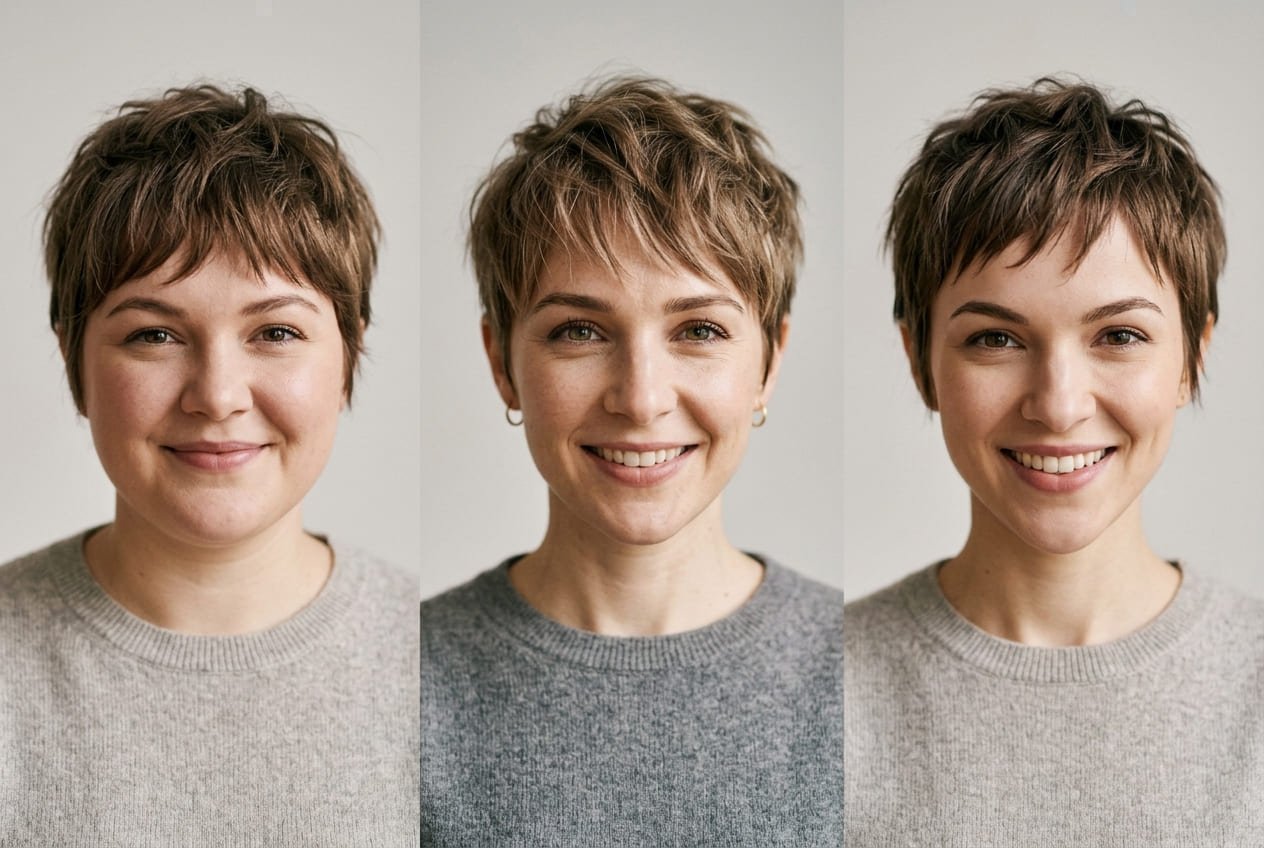
| Face shape | Helpful tweaks |
|---|---|
| Round | Height at the crown; side-swept or longer bangs |
| Oval | Very flexible; most variations work |
| Square | Wispy edges and feathered bangs to soften the jaw |
| Heart | Fuller side-swept bangs; slightly more length near the ears |
| Long | Textured fringe; avoid too much height on top |
| Diamond | Wispy bangs and softness around the cheekbones |
Cowlicks, Low Hairlines, and Growth Patterns
A strong cowlick can push bangs in an unexpected direction, and a low nape hairline can look uneven when cut very short. Tell your stylist before they start. They can leave extra length at a cowlick or adjust the fringe so it falls naturally.
Choppy Razor Cut Pixie Ideas and Variations

With Wispy or Side-Swept Bangs
Wispy bangs soften the look and frame the eyes. Side-swept versions flatter round and heart-shaped faces and grow out more easily than blunt bangs.
With an Undercut or Tapered Nape
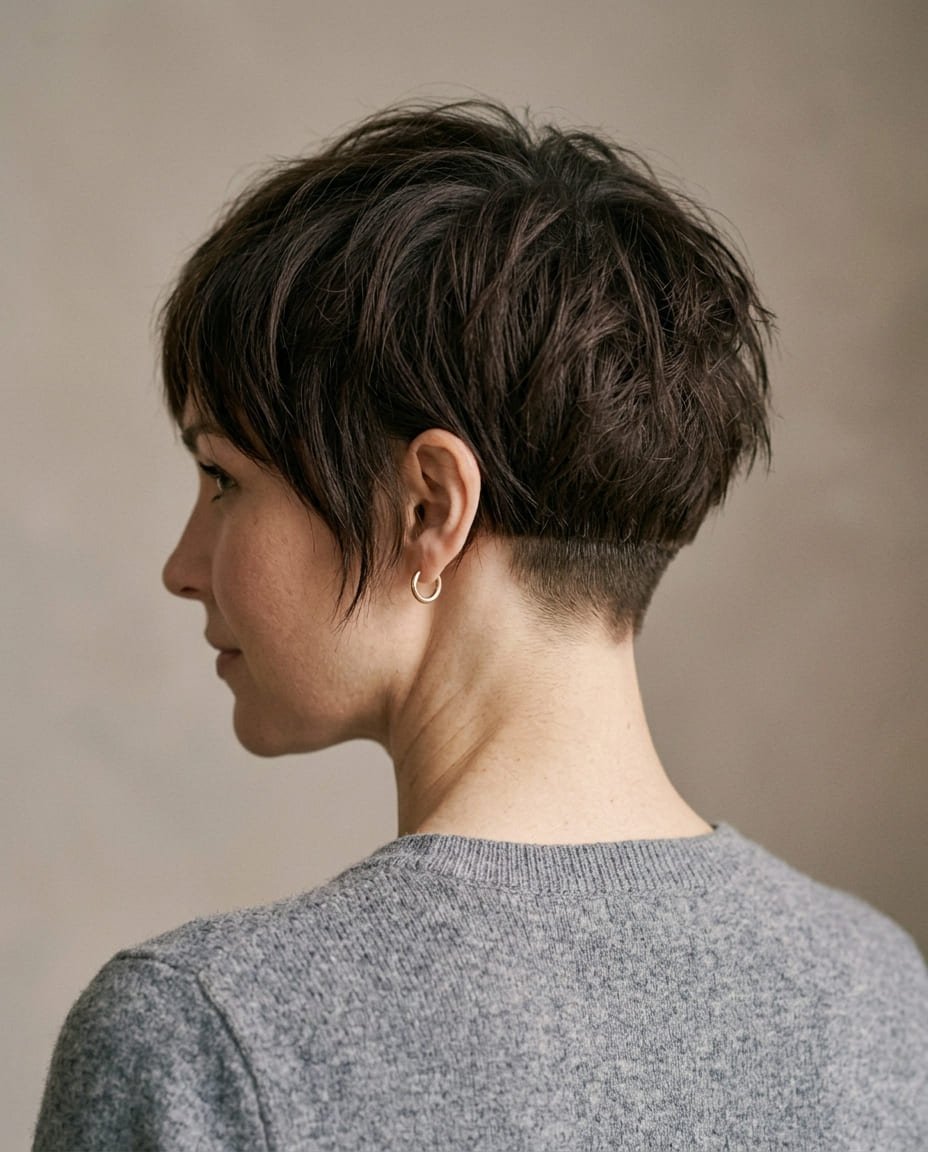
A closely tapered nape adds contrast and keeps the back neat between trims. A hidden undercut can sit beneath longer top layers for a subtle surprise.
Longer, Shaggier Takes
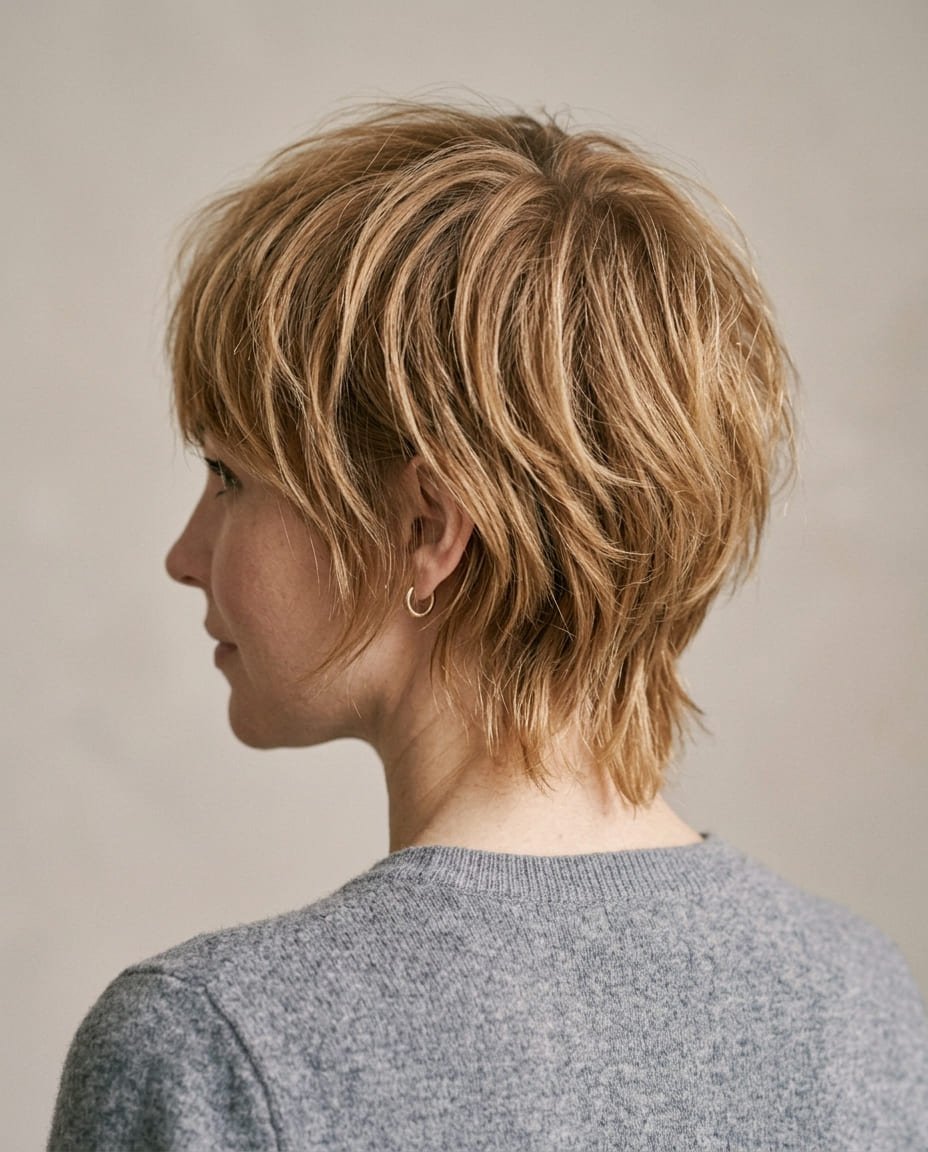
Keep extra length on top and around the ears for a relaxed shaggy pixie or a bixie (a blend of bob and pixie). It’s a good option if you’re nervous about going very short.
Soft and Polished Versions
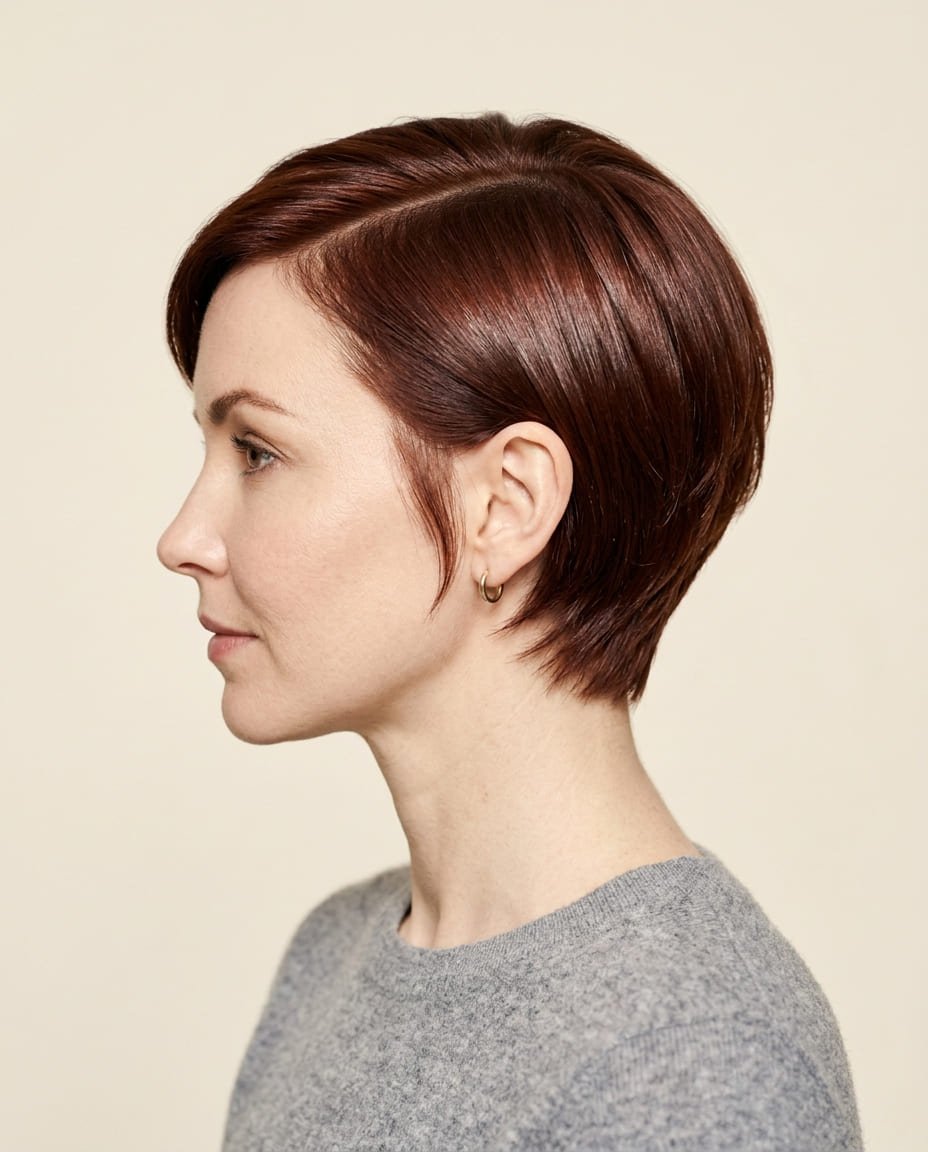
With a little smoothing cream and a neat side part, the same cut reads clean and elegant for the office or an evening out.
Color Ideas That Make the Texture Stand Out
Broken-up layers catch light, so color shows off dimension.

- Highlights and lowlights: Subtle contrast brings out piecey layers.
- Lived-in color: Soft, blended tones grow out gracefully, which suits a cut that needs regular trims.
- Bleached or platinum: Striking, but bleach adds dryness. Pair it with deep conditioning and ask about a lighter razor touch.
- Natural gray or silver: Texture adds dimension so gray doesn’t look flat.
- Bold shades: Short hair is a low-commitment canvas for fashion colors.
Color and razored ends both affect how hair feels, so plan extra moisture if you do both.
How to Ask Your Stylist for This Cut
Bring two or three reference photos (front, side, back), ideally on hair similar to yours, and note what you like in each: the fringe, the texture, the nape.
Use specific words: “A short pixie with razored, feathered texture on top and a tapered nape.”
Ask in the consultation:
- Will this work with my hair type and density?
- Do you recommend a razor for my hair, or another method?
- How will it look as it grows?
- How often will I need trims?
Red flags: A stylist who wants to razor very dry or tightly curled hair without discussing risks, or who doesn’t listen to your concerns.
Bring-to-the-salon checklist
- 2 to 3 reference photos
- Notes on how much styling time you want
- Any color history, past damage, or cowlick concerns
- A trim schedule and budget you’re comfortable with
How to Style a Choppy Razor Cut Pixie at Home
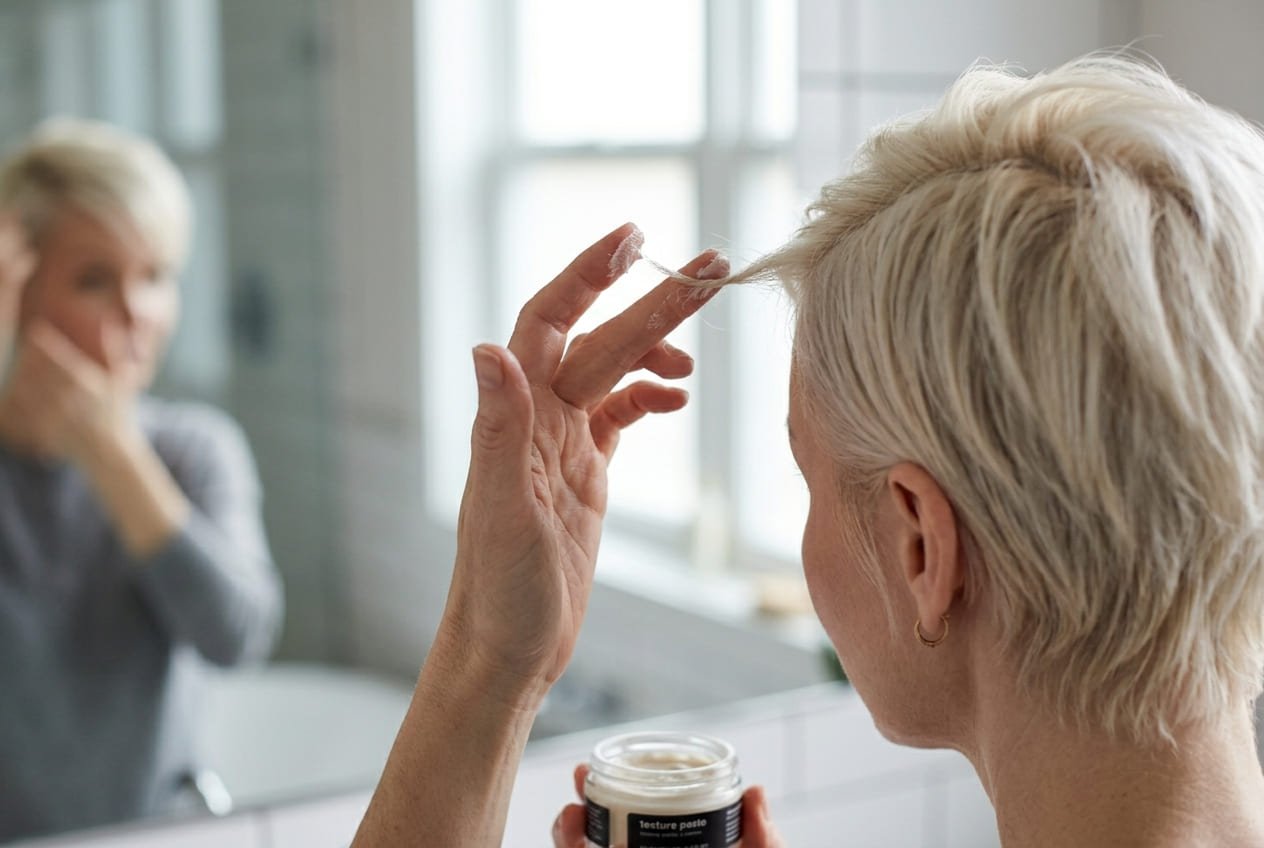
- Start with damp or towel-dried hair.
- Work a small amount of lightweight styler through the roots and lengths.
- Air-dry, or rough-dry with your fingers and a dryer on low to medium heat.
- Warm a pea-sized amount of paste between your palms, then pinch and twist pieces on top and the fringe.
| Product type | What it does | Best for |
|---|---|---|
| Texture paste or wax | Defines pieces, adds hold | Thick or straight hair |
| Sea salt spray | Adds grit and tousled body | Fine and wavy hair |
| Lightweight styling cream | Tames frizz, keeps flexibility | Dry or wavy hair |
| Dry shampoo | Lifts roots, absorbs oil | Fine hair, second-day styling |
Fine hair needs less product, since too much weighs it down. Thick hair can handle a richer paste for control.
Maintenance, Trims, and Cost
A pixie loses shape quickly because there’s little hair to hide growth. The average person’s hair grows about half an inch per month, or 6 inches per year, according to the American Academy of Dermatology Association. (Source: USA TODAY) That’s enough to change the shape of a short cut within weeks, which is why many stylists suggest a trim every 4 to 6 weeks.
Cost varies by city, salon, and stylist experience. Because you’ll visit more often than with a longer cut, think in yearly cost, and ask whether your salon offers cheaper nape-and-fringe tidy-ups between full cuts.
Keep razored ends healthy: use a moisturizing conditioner, add a weekly mask if your hair runs dry, and use a heat protectant when you style with heat.
| Task | Frequency | Effort |
|---|---|---|
| Salon trim | Every 4 to 6 weeks | Medium |
| Nape/fringe tidy-up | Between cuts, if offered | Low |
| Deep conditioning | Weekly or as needed | Low |
| Daily styling | Each morning | Low |
Choppy Pixie vs. Similar Cuts: How to Tell Them Apart
| Cut | Length | Texture | Best for |
|---|---|---|---|
| Choppy razor cut pixie | Short all over | Feathered, piecey | Texture lovers wanting a bold shape |
| Textured pixie | Short all over | Varies by technique | A softer everyday pixie |
| Shaggy pixie | Short, longer top and sides | Layered, relaxed | A softer, grown-out vibe |
| Bixie | Between bob and pixie | Soft layers | People wary of going very short |
| Wolf cut | Medium, heavy layers | Wild, voluminous | Volume with length |
| Shag | Short to long | Choppy, retro | Layered, rock-and-roll looks |
The simplest test: a choppy razor cut pixie stays short, while a bixie, wolf cut, or shag keeps more length. Bring a photo and let your stylist translate.
Growing It Out Gracefully
Most people hit an awkward in-between phase a few months in, when the sides and nape fill in faster than the top. Timing varies by person.
- Keep getting light trims so the shape doesn’t turn shapeless.
- Ask your stylist to shape it toward a shaggy pixie or bixie.
- Use clips, headbands, and texture products for in-between days.
A shaggy pixie often leads into a short bob or layered cut, giving you a clear path to longer hair.
Common Mistakes to Avoid
| Do | Don’t |
|---|---|
| Choose a stylist experienced with razors | Let anyone razor your hair without discussing your hair type |
| Mention damage, color, and cowlicks | Hide past processing |
| Build product up slowly | Overload fine hair with heavy wax |
| Book regular trims | Wait until the shape is gone |
| Moisturize razored ends | Use high heat daily unprotected |
A common problem is over-texturizing. If you’re unsure, start with less and let your stylist add more at your next visit. Skip DIY razor trims too, since it’s easy to remove more than you meant to.
Frequently Asked Questions
What is a choppy razor cut pixie?
It’s a short pixie cut shaped with a razor so the ends are tapered, feathered, and piecey. The finish is tousled and full of movement rather than sleek and blunt.
Does a razor cut damage your hair?
Not necessarily. On healthy, straight to wavy hair, a sharp blade used by a skilled stylist usually looks great. On dry, damaged, coarse, or very curly hair, it can cause frizz and rough ends, so a gentler method may be better.
Is it good for fine hair or thick hair?
Both, with different goals. On fine hair, light razoring adds movement, but too much can thin the ends. On thick hair, it removes bulk so the cut sits lighter.
Can curly hair have a razor cut pixie?
Possibly, with caution. Razors can disrupt curl patterns, so look for a curl-experienced stylist who may use scissors or another texturizing method for a similar look.
Does it suit a round face?
Often, yes. Height at the crown and side-swept or longer bangs help elongate the face.
How often should I trim it?
Most stylists suggest every 4 to 6 weeks, since small amounts of growth change a short shape quickly.
Can I wear this cut over 40 or 50?
Yes. A soft, textured pixie adds lift at any age. If your hair has gone finer or drier, ask for lighter texturizing and focus on moisture.
How do I ask my stylist for it?
Bring two or three reference photos and say: “short pixie with razored, feathered texture and a tapered nape.” Mention your hair type and any cowlicks.
How long does it take to grow out?
Several months before the awkward stage fades, depending on how fast your hair grows. Regular light trims keep it neat.
Conclusion: Is the Choppy Razor Cut Pixie Right for You?
The choppy razor cut pixie is bold, flexible, and full of personality. It adds movement to fine hair, lightens thick hair, and updates the classic pixie. It rewards people who like texture and don’t mind a quick styling routine.
It isn’t right for everyone. Very coarse, tightly curled, or damaged hair may do better with a gentler texturizing method, and the cut needs regular trims. Great results come from a skilled stylist, clear communication, and realistic expectations about upkeep and grow-out.
Ready to try it? Bring reference photos, share your hair type and habits, and start with the level of texture you’re comfortable with. For more short-hair inspiration, read our guides to tomboy haircuts for girls and wolf cut with bangs.

Harry is a hair and beauty content creator at HairGlowBlog, sharing practical tips on hairstyles, hair care, hair styling, and beauty trends. Her content focuses on easy hairstyle ideas, hair care routines, styling tips, and inspiration for different hair types and occasions.



Leave a Reply