
A tapered pixie cut keeps the top of your hair longer while the sides and nape shorten gradually. On Black hair, that contrast looks sharp, whether you wear natural coils, defined curls, a relaxed finish, or a jet-black shade. If you’re searching for tapered pixie cut black hair ideas, this guide covers both meanings of the phrase: natural textures for Black women and black hair color.
You’ll get a clear definition, a breakdown of taper levels, texture and face shape advice, 21 style ideas, and practical help for talking to your stylist, caring for the cut, and growing it out. The guide combines common barbering terms, dermatologist hair-care guidance from the American Academy of Dermatology (AAD), and style ideas sorted by texture. It’s general style information, not medical advice.

What Is a Tapered Pixie Cut on Black Hair?
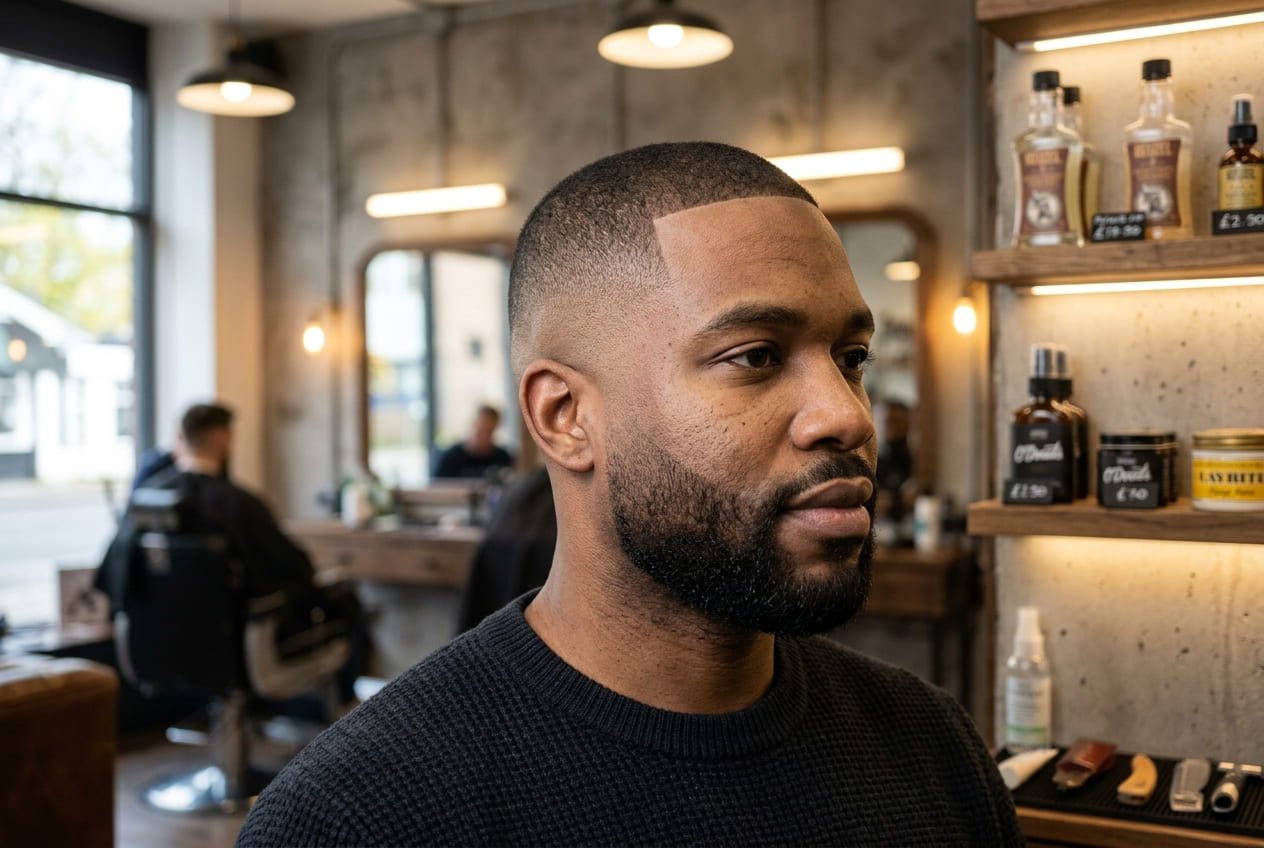
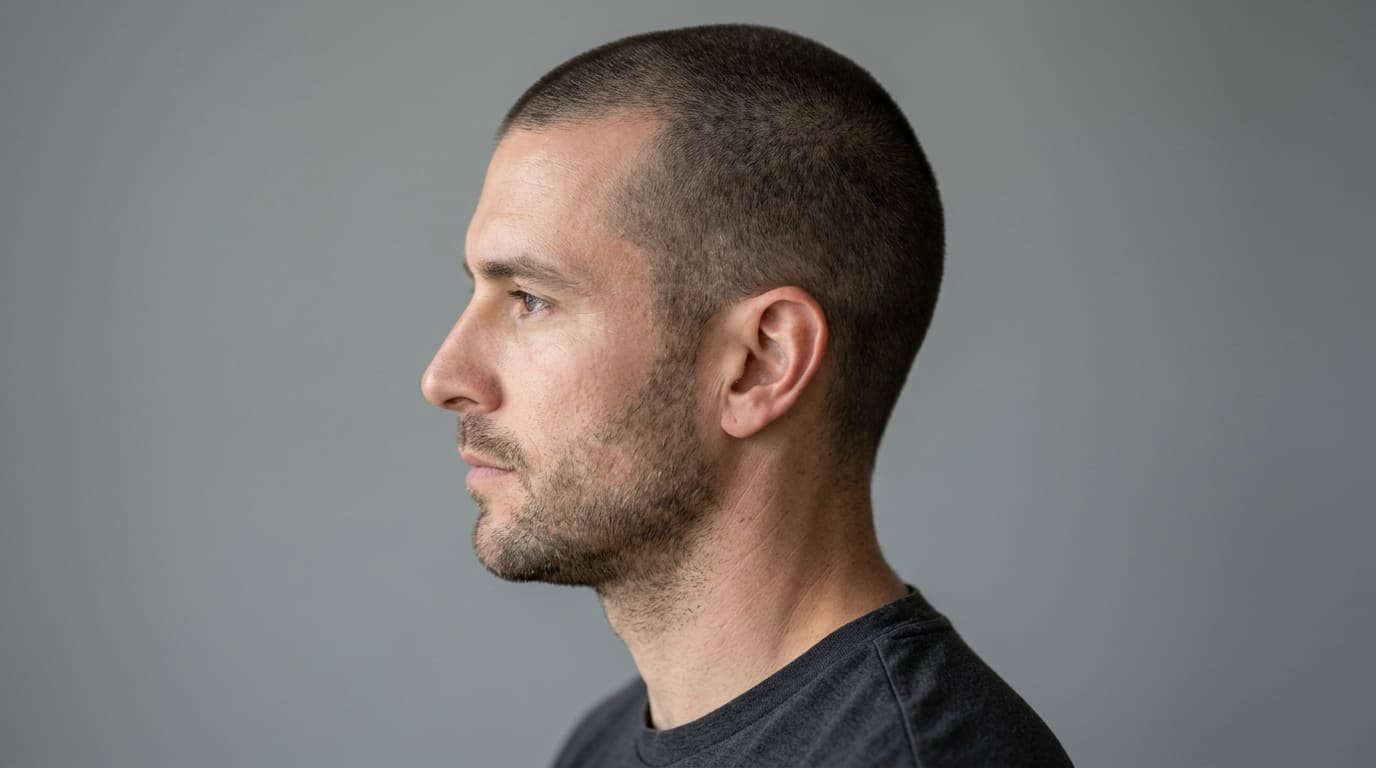
A tapered pixie cut is a short haircut in which the hair at the sides and back gets gradually shorter toward the neckline and around the ears, while the top stays longer for shape, texture, or styling. On Black hair, that longer top reads as a defined crown against neat, close sides.
The key word is “tapered.” It describes a gentle, gradual change in length rather than a sudden drop, which is why many people find a taper softer and more wearable than a high fade. It’s also a popular choice after a big chop, when you cut off relaxed, damaged, or transitioning hair to start fresh with your natural texture. Compared with a TWA (teeny weeny afro), the very short, rounded natural cut, a tapered pixie adds more shape and a more polished edge.
Taper vs. Fade vs. Undercut: How They Differ
Barbers and stylists don’t always use these words identically, but this is the most common way to tell them apart:
| Cut type | Where hair shortens | Overall look | Maintenance level |
|---|---|---|---|
| Taper | Gradually along the sides and nape, usually keeping some visible length | Soft, natural, polished | Moderate; needs regular cleanups |
| Fade | Blends down to very short or skin-level hair, often higher on the head | Sharp, high-contrast | Higher; looks best when freshened often |
| Undercut | Sides and back are cut one short length, with a clear break from the top | Bold, disconnected | Moderate to high, depending on length |
A shape-up (also called an edge-up or lineup) is a separate step. It sharpens the hairline, temples, and sideburns, and it often goes along with a taper. If you want a tapered pixie but worry about looking too edgy, a taper is usually the gentlest place to start.
Low, Mid, and High Taper: Which Level Fits You?
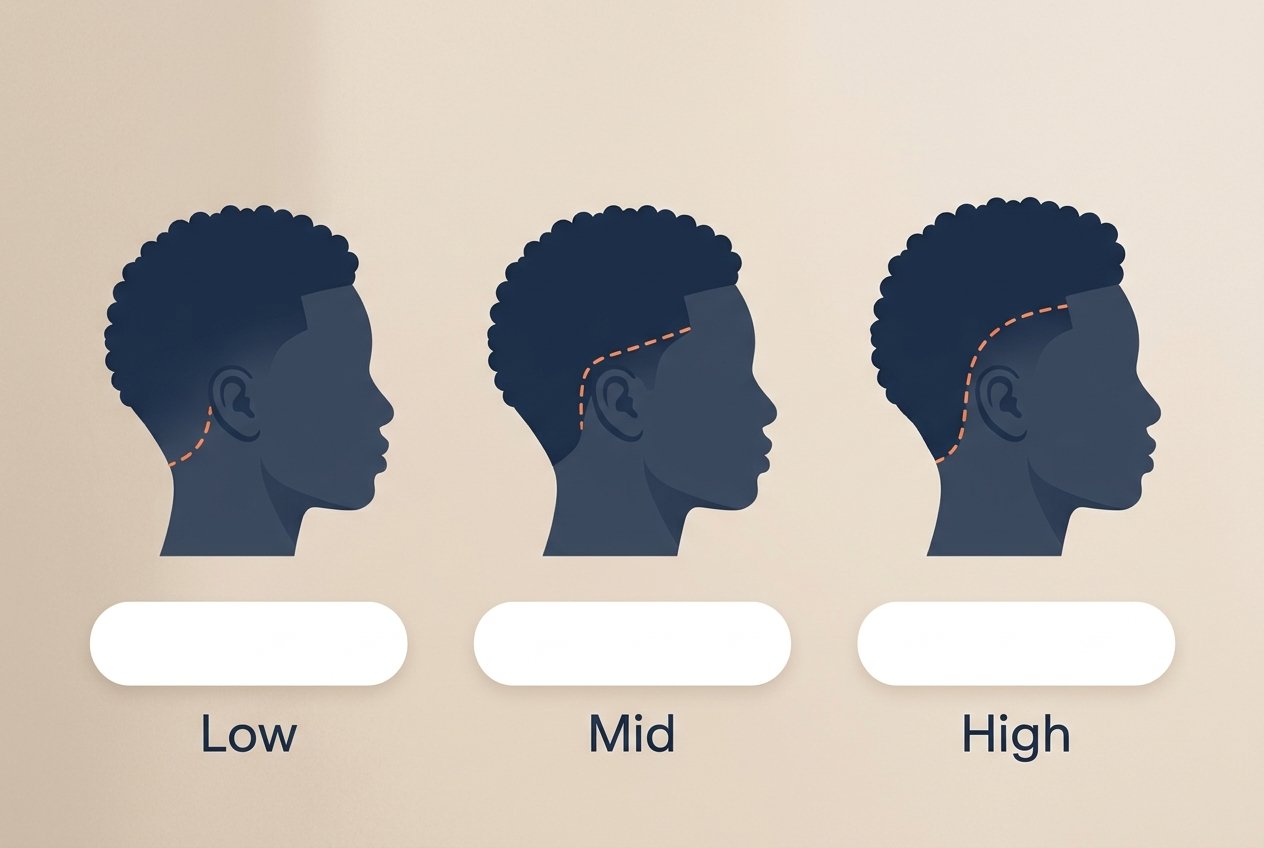
The “level” of a taper describes how high up the head the shortening begins. Your stylist will probably ask which you want, so it helps to know the difference before you sit down.
Low Taper
A low taper starts close to the ears and neckline, so most of the sides keep their length. It’s the subtlest option and a good first short cut.
Mid Taper
A mid taper begins around the temple area and creates a more visible shape. It balances polish and drama.
High Taper
A high taper starts higher on the sides and leaves a stronger contrast with the longer top. It looks graphic and bold, but it also shows grow-out sooner.
| Taper level | Best for | Hairline fit | Typical cleanup timing |
|---|---|---|---|
| Low | First-time short cuts, soft looks | Works with most hairlines, including more delicate ones | Often every 4 to 6 weeks |
| Mid | A balanced, visible shape | Works well when temples and edges are healthy | Often every 3 to 5 weeks |
| High | A bold, high-contrast look | Best with a strong, even hairline | Often every 3 to 4 weeks |
Cleanup timing depends on how fast your hair grows and how crisp you like the lines, so treat these ranges as starting points and ask your stylist what suits your hair.
How a Tapered Pixie Looks on Different Hair Textures
Texture changes how a taper looks and behaves. Stylists often describe curl patterns with the Andre Walker hair typing system, which groups hair into types 3 and 4 (curly and coily) with A, B, and C subtypes. Your hair may fall between categories, and that’s normal.
4C and 4B Coily Hair
Coily hair has plenty of natural volume and shrinkage, so a tapered pixie can look quite different depending on whether your hair is stretched or shrunken. Coils hold shape well, which makes tapering a flattering way to sculpt the silhouette. Because shrinkage hides length, ask your stylist to cut with your hair in the state you’ll usually wear it, and leave enough length on top to show texture and shape.
3C and 4A Curly Hair
Defined curls on top contrast beautifully with a clean taper. This texture suits curl-forward looks, where the sides stay tidy and the top does the talking. Moisture matters here, since dry curls lose definition quickly.
Relaxed, Silk-Pressed, or Straight Black Hair
Straighter textures suit sleek, polished tapered pixies with swept fringes, side parts, or soft layers. Precision cutting matters most, because lines show clearly on smoother hair. If you’re relaxed, the AAD advises having a professional apply relaxer, limiting touch-ups to every two to three months, and applying product only to new growth, never to hair that’s already relaxed. aad
Jet-Black or Dyed-Black Hair Color
If “black hair” means color for you, a tapered pixie is a showcase for it. A solid dark shade highlights the shape of the cut, and healthy shine usually makes the biggest difference to how rich the color looks.
| Texture | What to expect | Styling approach |
|---|---|---|
| 4C / 4B | Strong shape, noticeable shrinkage | Shape the top, define coils, keep the taper crisp |
| 3C / 4A | Defined curls on top, tidy sides | Curl cream and light-hold products |
| Relaxed / straight | Smooth, precise lines | Sleek finishes, swept fringe, shine products |
| Jet-black color | Rich contrast and clear shape | Shine, color care, and clean cutting |
Does a Tapered Pixie Suit Your Face Shape?
Face shape doesn’t decide whether you can wear this cut, but it can guide details such as how long the top stays or where the taper starts.
| Face shape | Taper and top-length pairing | Why it works |
|---|---|---|
| Round | Mid taper with extra height on top | Height adds length and lifts the overall shape |
| Oval | Almost any taper level and top length | The balanced shape is flexible |
| Heart | Low taper with softer, side-swept length | Softens a wider forehead and a narrower chin |
| Square | Low or mid taper with a textured, soft top | Adds softness to strong angles |
| Diamond | Low taper with fuller sides near the cheekbones | Keeps the cheekbones from looking too wide |
These are guidelines, not rules. If you love a combination that “breaks” them, a good stylist can usually adjust the shape to make it work. For more on matching pixies to faces, see our guide to edgy pixie cuts for round faces.
Is This Cut Right for You? Honest Pros and Cons
A tapered pixie is a big change, so look at both sides before you commit.
What people tend to love:
- It looks polished with very little styling.
- It shortens wash-day routines for many people.
- It frames the face and highlights your features.
- It suits many textures and dresses up or down easily.
What to think about:
- It needs regular cleanups to keep the taper crisp.
- There’s little room to hide a bad day if short hair turns out not to be for you.
- Growing it out takes patience.
- If your edges are thin, a high taper may not be the most comfortable choice.
Lifestyle fit: If you work out often, swim, or live somewhere humid, a tapered pixie is practical because there’s less hair to manage. If you love updos, braids, and ponytails, a short cut will limit those options for a while.
Tapered Pixie Ideas for Natural Coily and Curly Hair
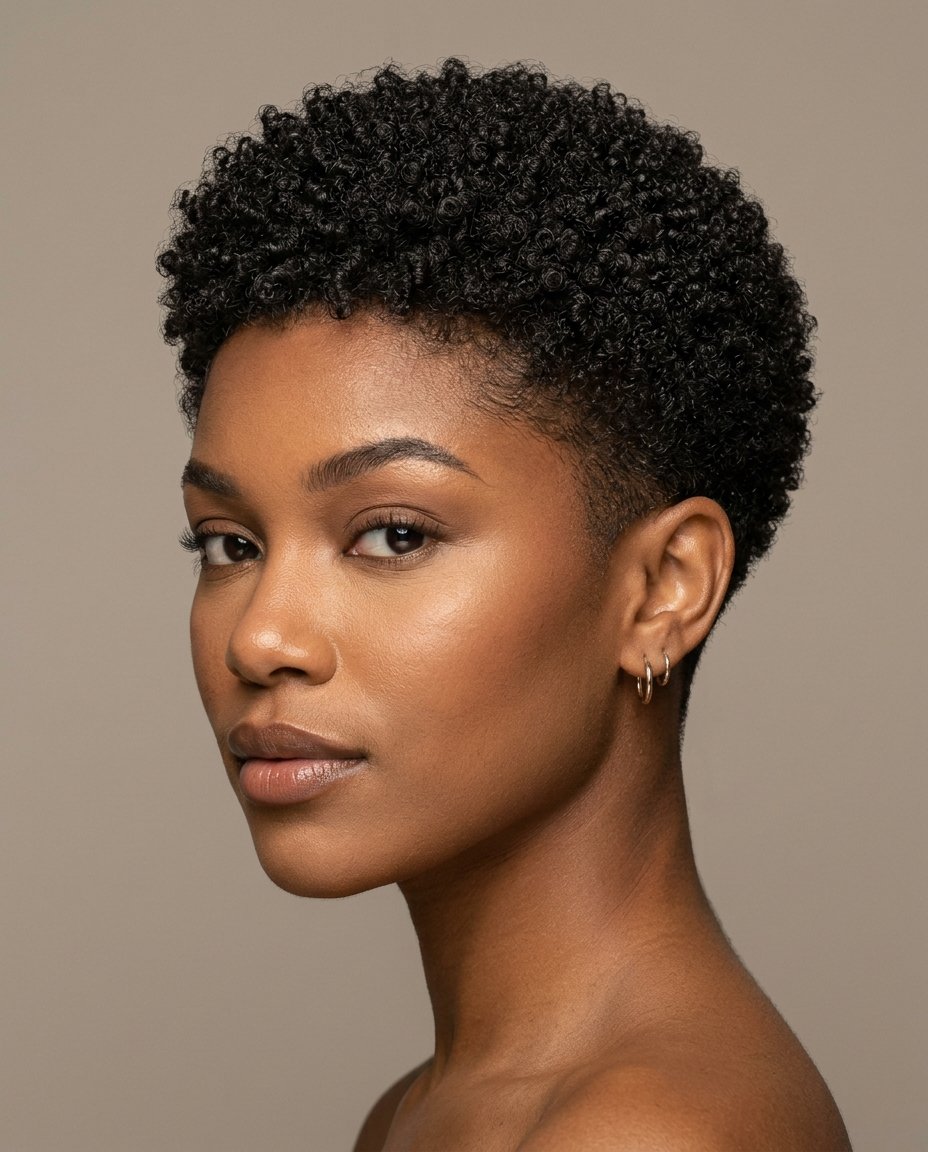
These seven ideas celebrate natural texture.
1. Low-Taper Coily Crop for Black Women
A simple, rounded top with softly tapered sides and nape. Try it if this is your first short cut after a big chop and you want something easy.
2. Curl-Topped Tapered Pixie
Longer curls on top over a neat taper. Works well when your 3C to 4A curls hold definition.
3. Finger-Coil Top With a Mid Taper
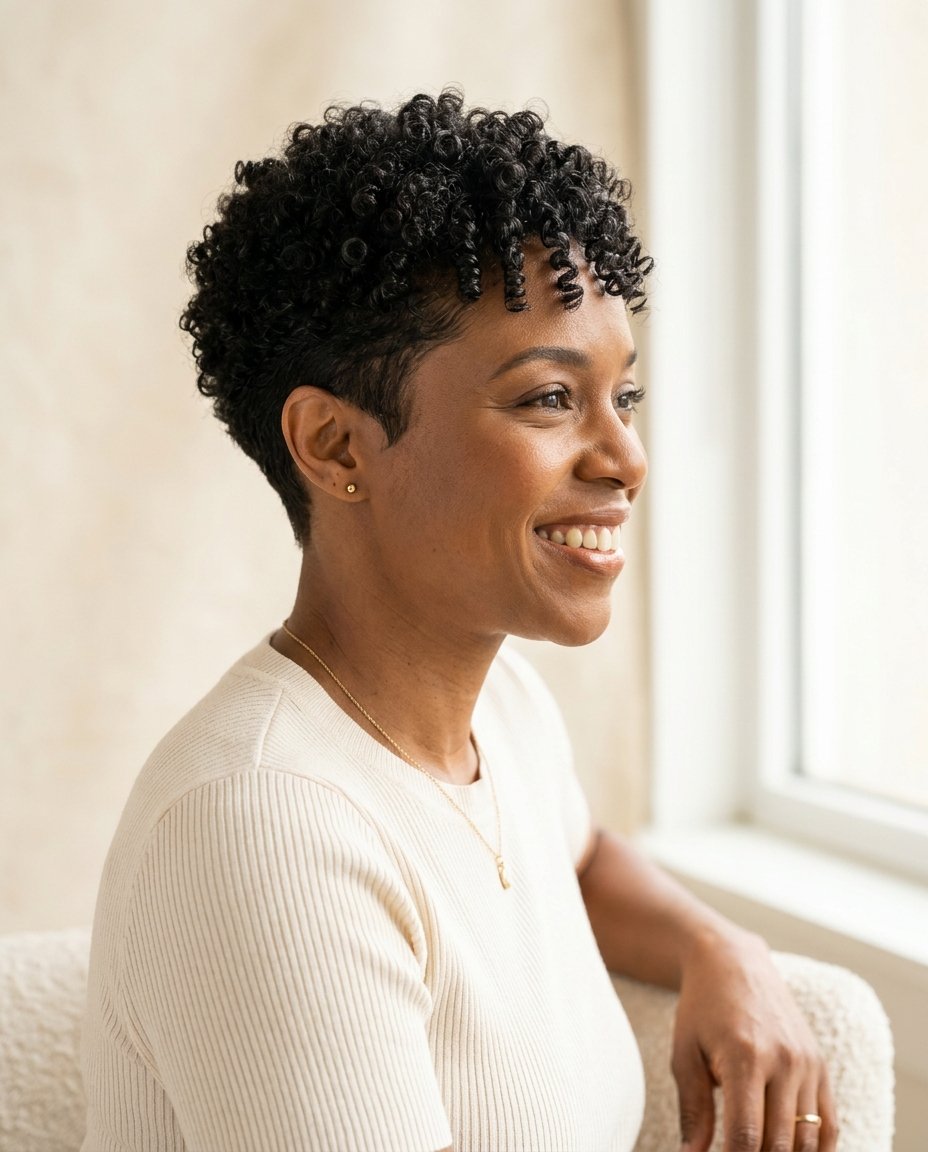
Coils twisted around a finger for a defined, textured crown. A good match for people who enjoy a little styling time on wash day.
4. Twist-Out Top With Clean Tapered Sides
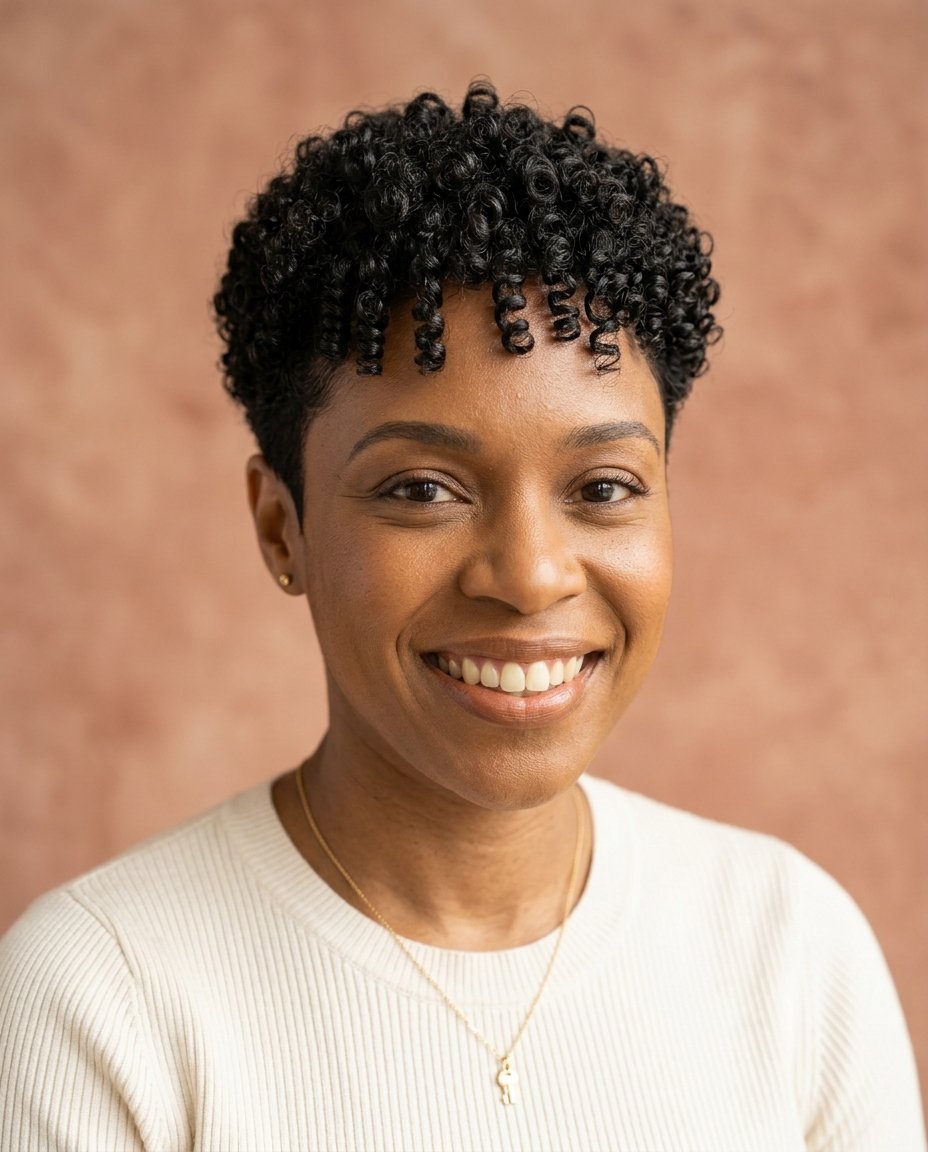
Twist-out texture on top for a soft, full finish. Great for days when you want volume without heat.
5. Wash-and-Go Tapered Pixie
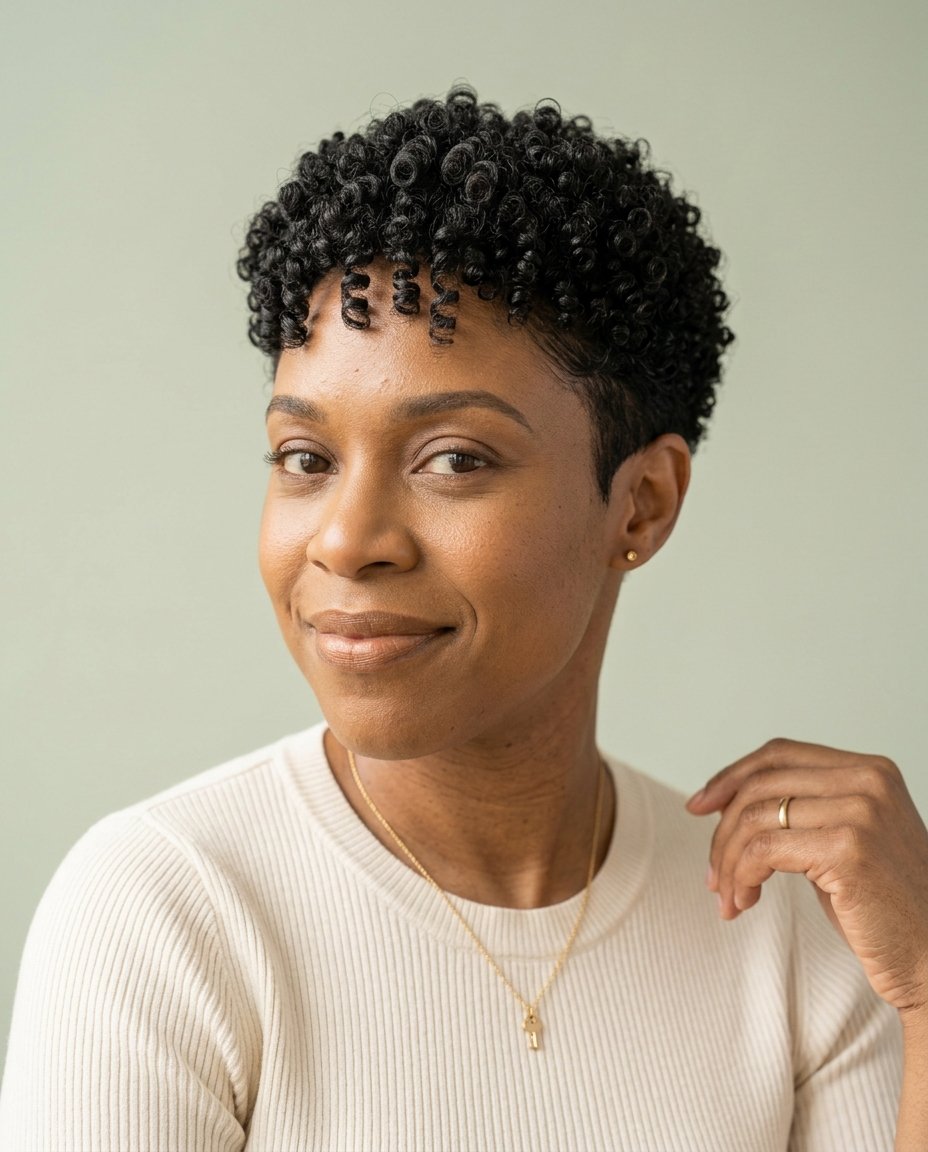
A light curl cream, scrunched in and air-dried, with a low taper. Ideal if you prefer a minimal routine.
6. Rounded Coily Crop With a Tapered Nape

A shaped, even circle of hair with a clean neckline, like a TWA with more polish. Suits a professional setting where you still want natural texture.
7. Natural Tapered Pixie With a Carved Part

A thin, clean part line cut into the top. Perfect when you want something distinctive without adding color.
Sleek, Waved, and Relaxed Tapered Pixie Ideas
If you like your hair smooth, shiny, or waved, these seven styles bring a more polished feel.
8. Sleek Relaxed Pixie With a Tight Taper
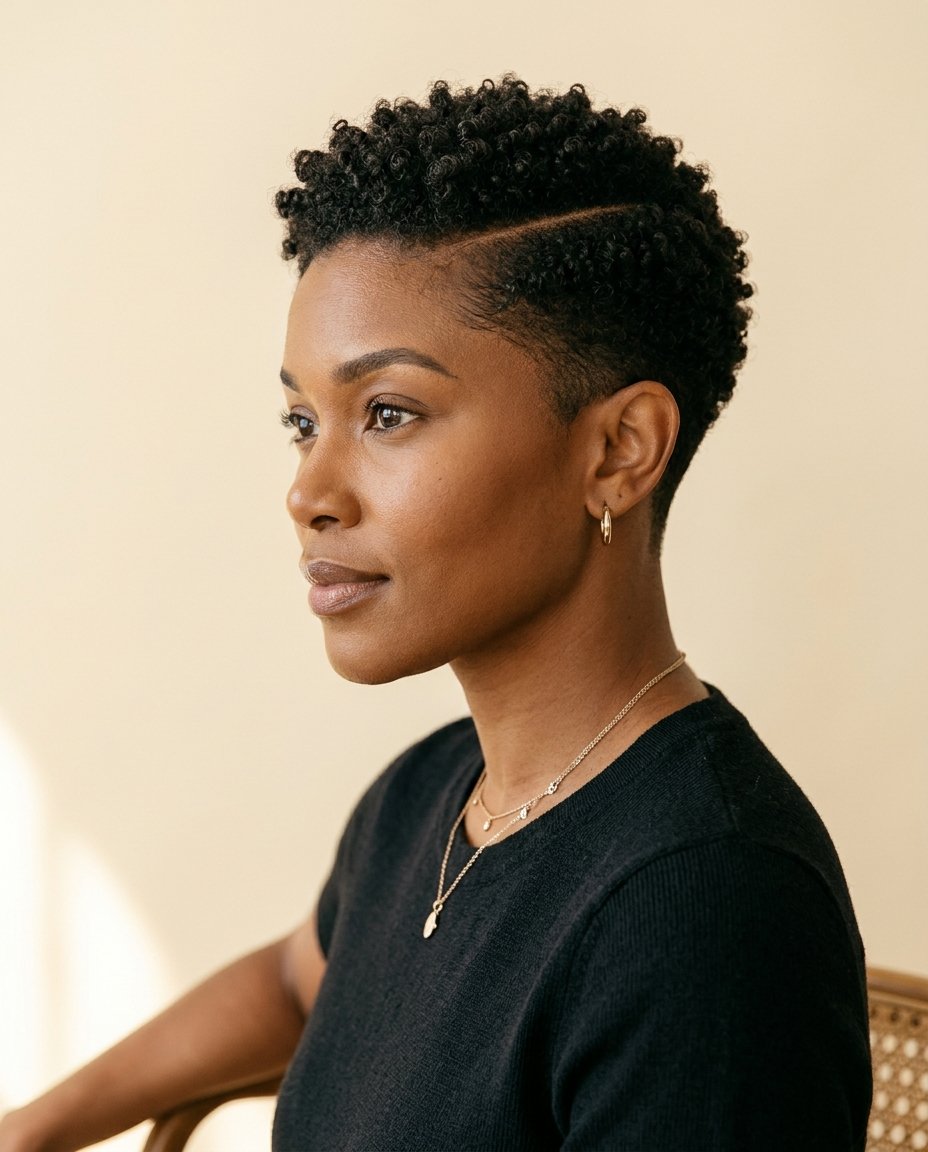
Smooth, short layers on top with sharply tapered sides. Best suited to a clean, office-friendly look.
9. Side-Swept Tapered Pixie With a Neat Nape
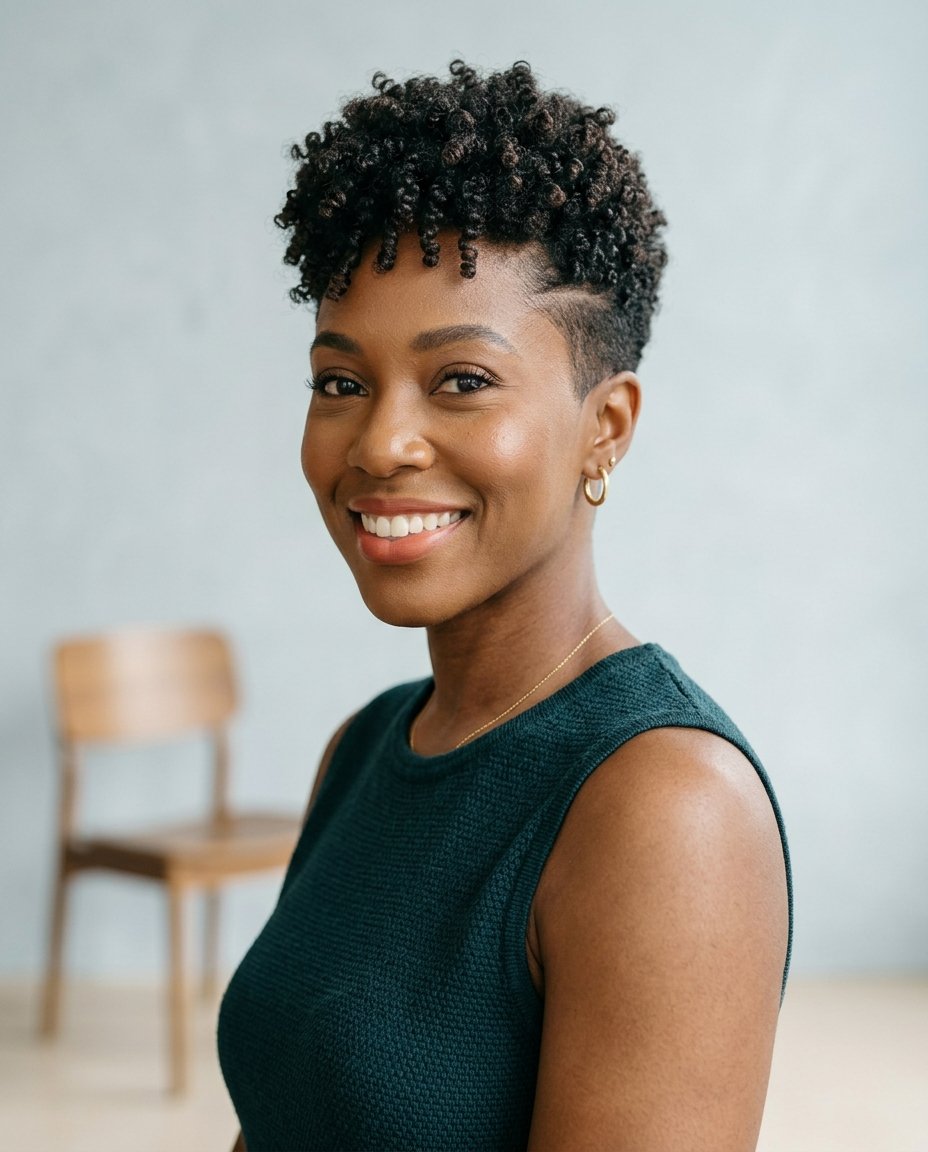
A longer top swept across the forehead. Helpful if you want to soften a strong brow or forehead.
10. Finger-Wave Top With Tapered Sides
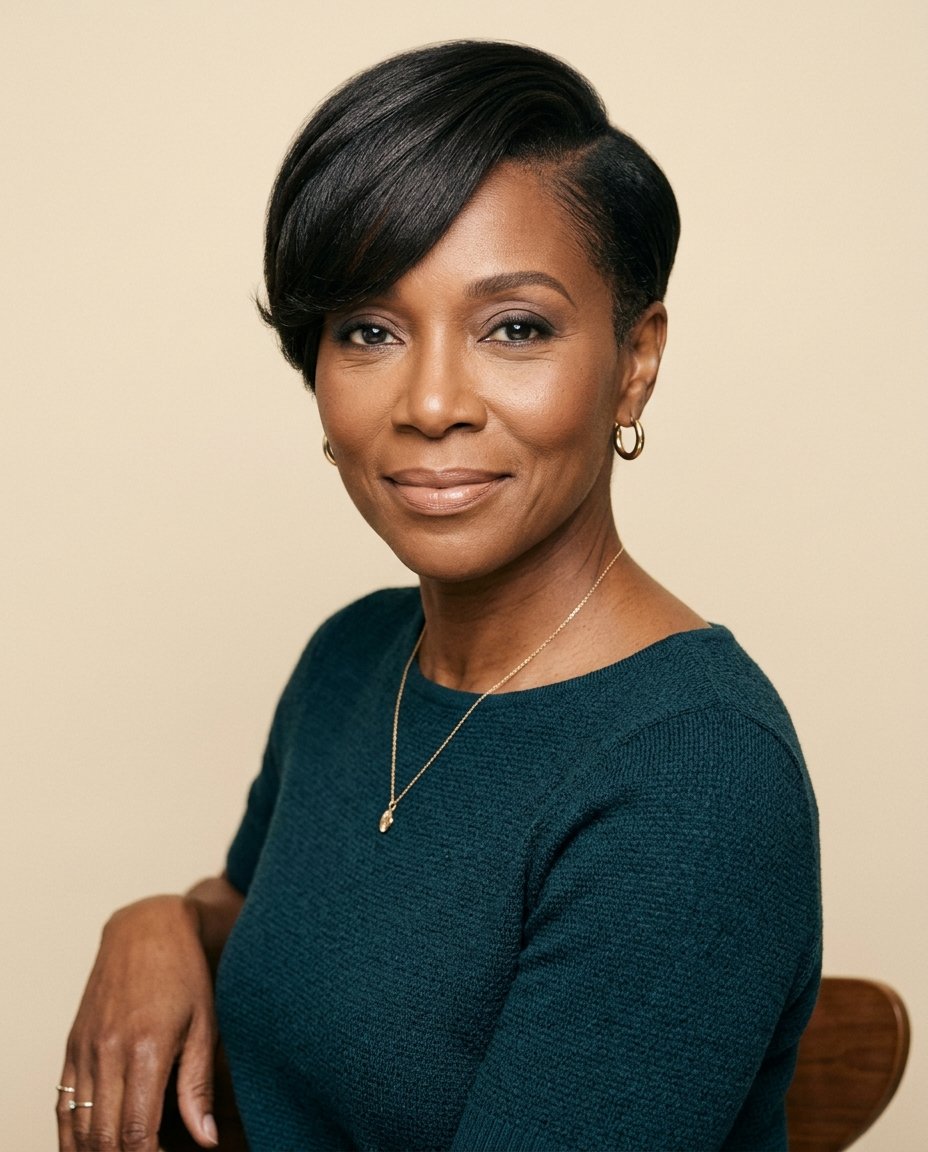
Classic, sculpted waves on top for a vintage feel. Made for special occasions and statement looks.
11. Wavy Swoop Pixie With a Low Taper
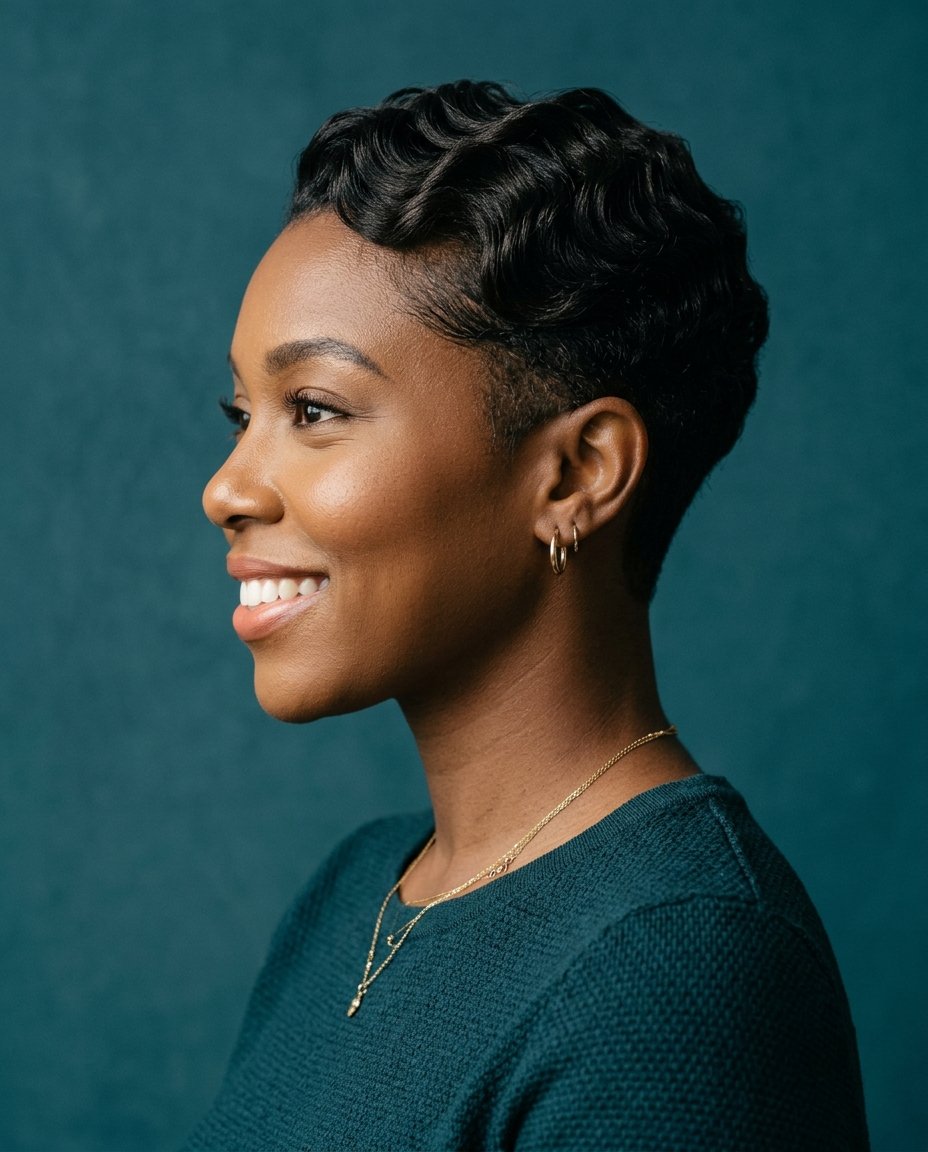
A loose, upward sweep with gentle texture. A smart pick for adding height and movement.
12. Silk-Pressed Pixie With a Long, Swept Fringe

A longer front section that falls to one side. Handy if you like switching between sleek and tousled.
13. Asymmetrical Tapered Pixie
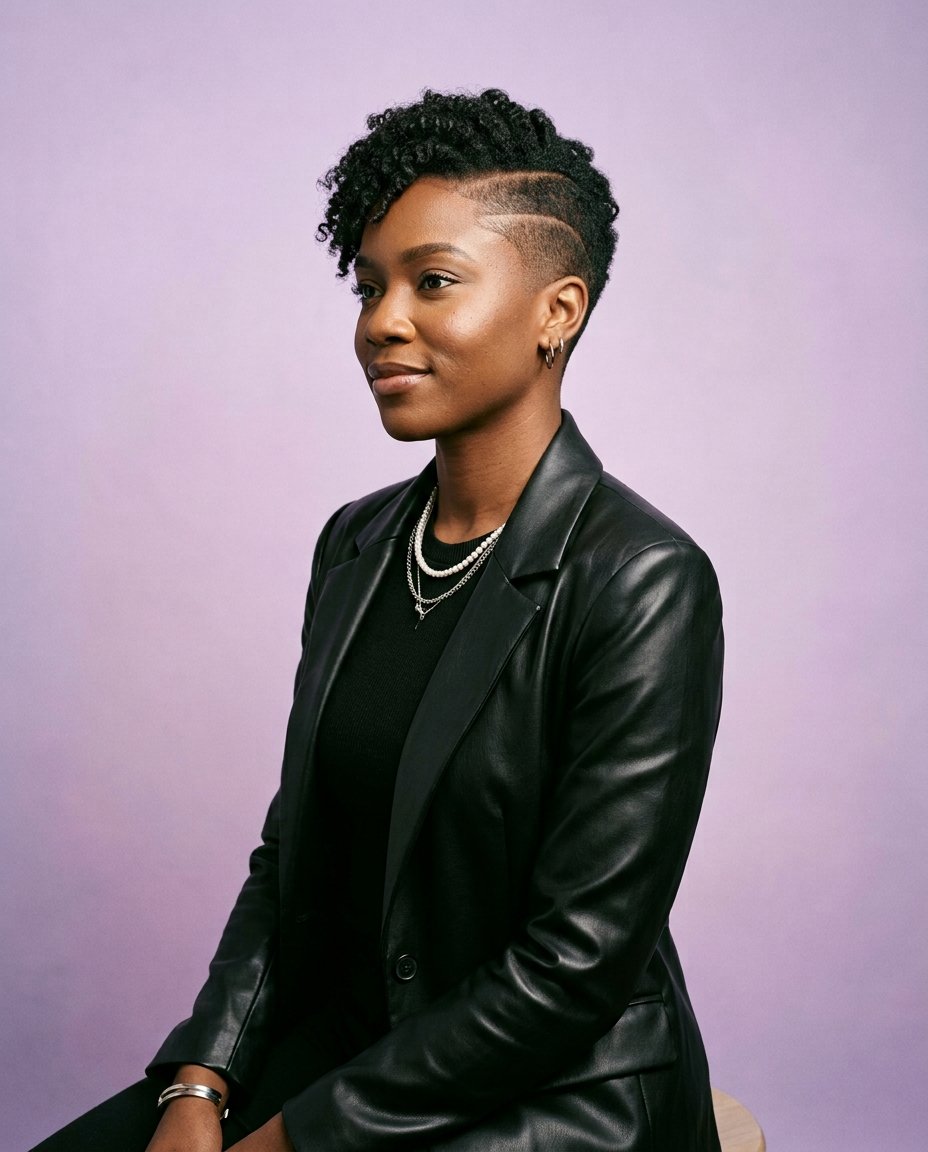
One side cut shorter than the other for an off-balance shape. Fits a modern, fashion-forward mood.
14. Soft-Layered Tapered Pixie
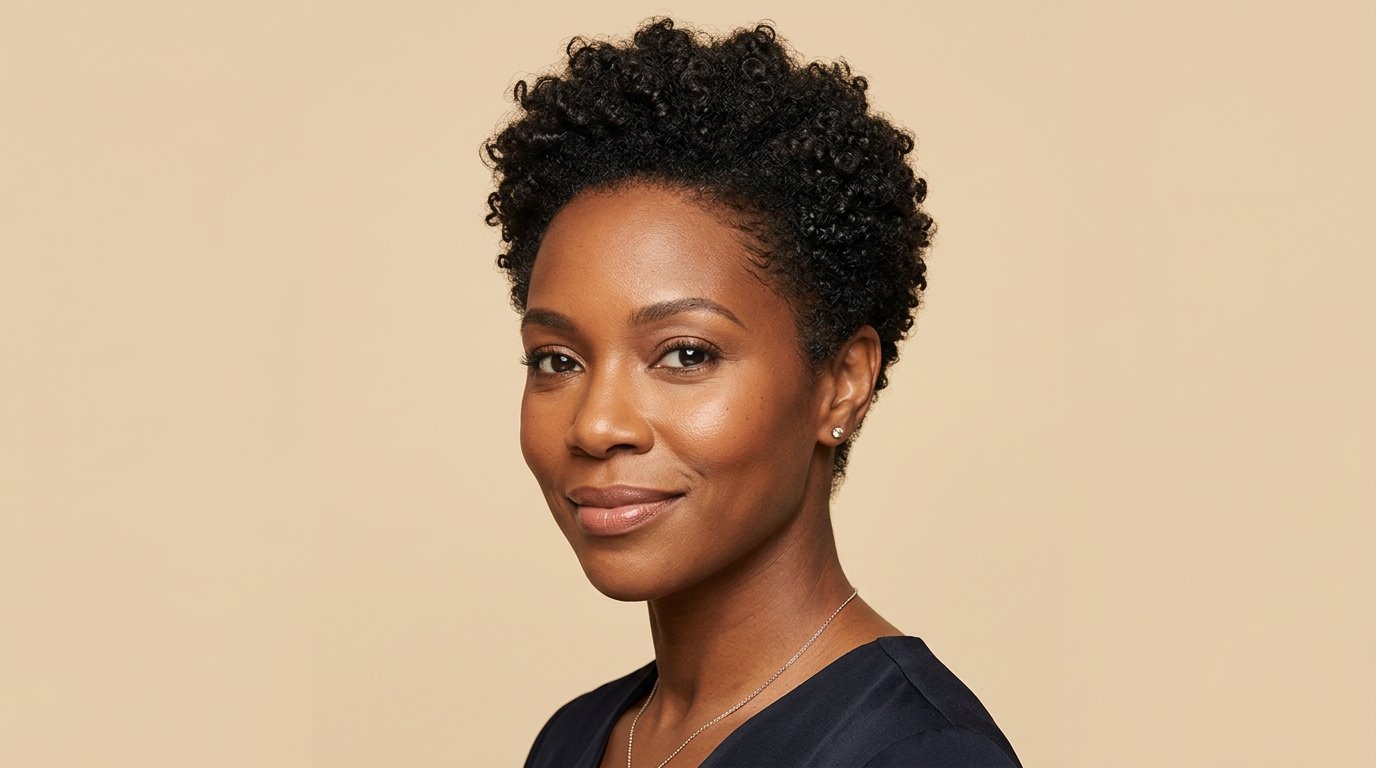
Subtle layers on top and a smooth taper. Gives movement without losing neatness.
Tapered Pixie Ideas With Color, Parts, and Details
Color and small details can turn a classic shape into something personal.
Color Placements That Work on Short Natural Hair
Short hair is a low-commitment way to experiment. Popular placements include color only on the top, tonal shades close to your natural hue, or soft highlights for dimension. Keep the tapered sides natural for contrast, and ask your colorist about your hair’s condition before bleaching.
A quick note on damage: lightening dark hair usually involves bleach, which can dry out coily and curly textures. If you’re new to color, consider a gloss or a shade closer to your natural color first, and talk to a professional about what your hair can handle.
Parts, Designs, and Bangs
A razored part line, a small shaved design near the temple, or short choppy bangs can change the personality of a cut. Designs grow out quickly and need frequent refreshing, so factor that into your cleanup schedule.
15. Honey Blonde Top With Natural Tapered Sides

Soft, warm color against dark sides. A gentle way to try a color change.
16. Copper Curly Top With Tapered Sides
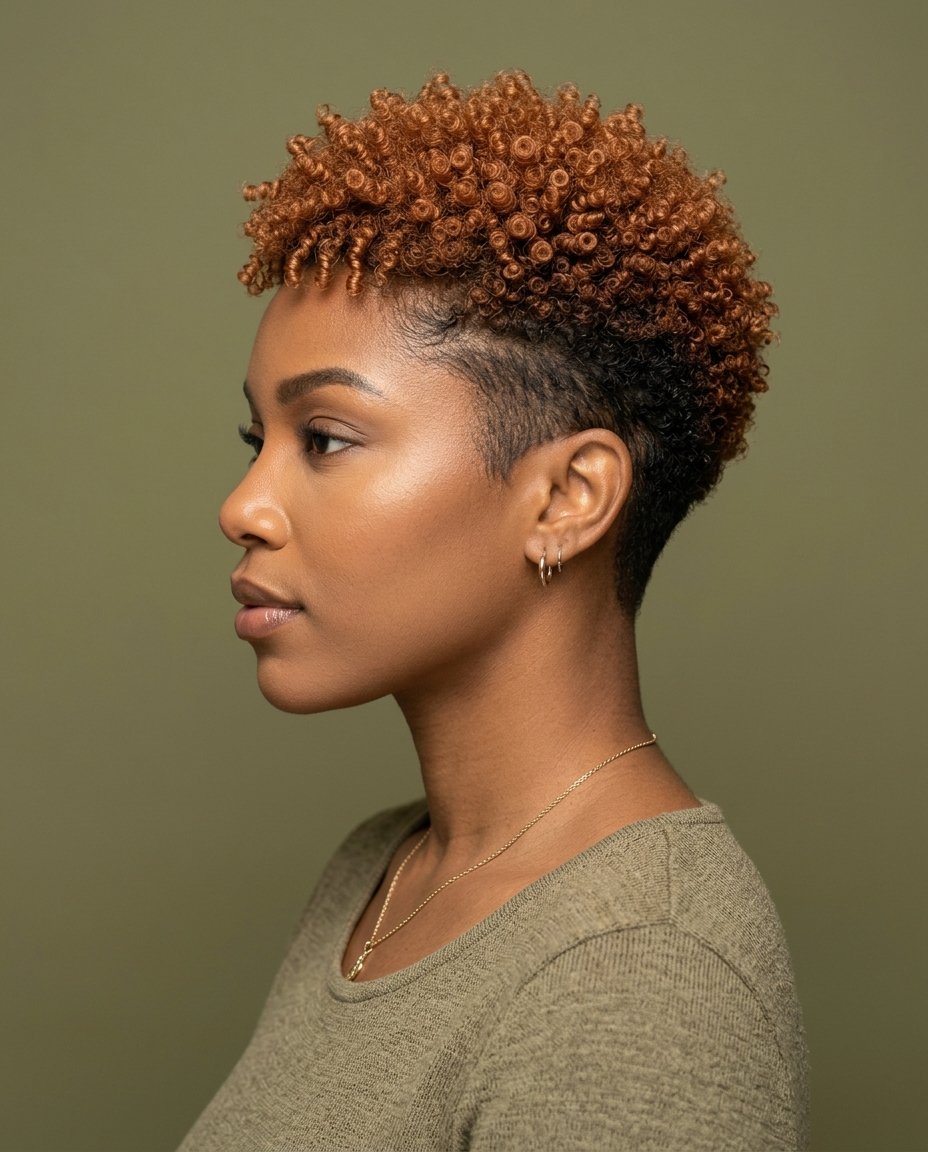
Warm copper curls over a clean taper. Adds richness to natural curls.
17. Burgundy Tapered Pixie
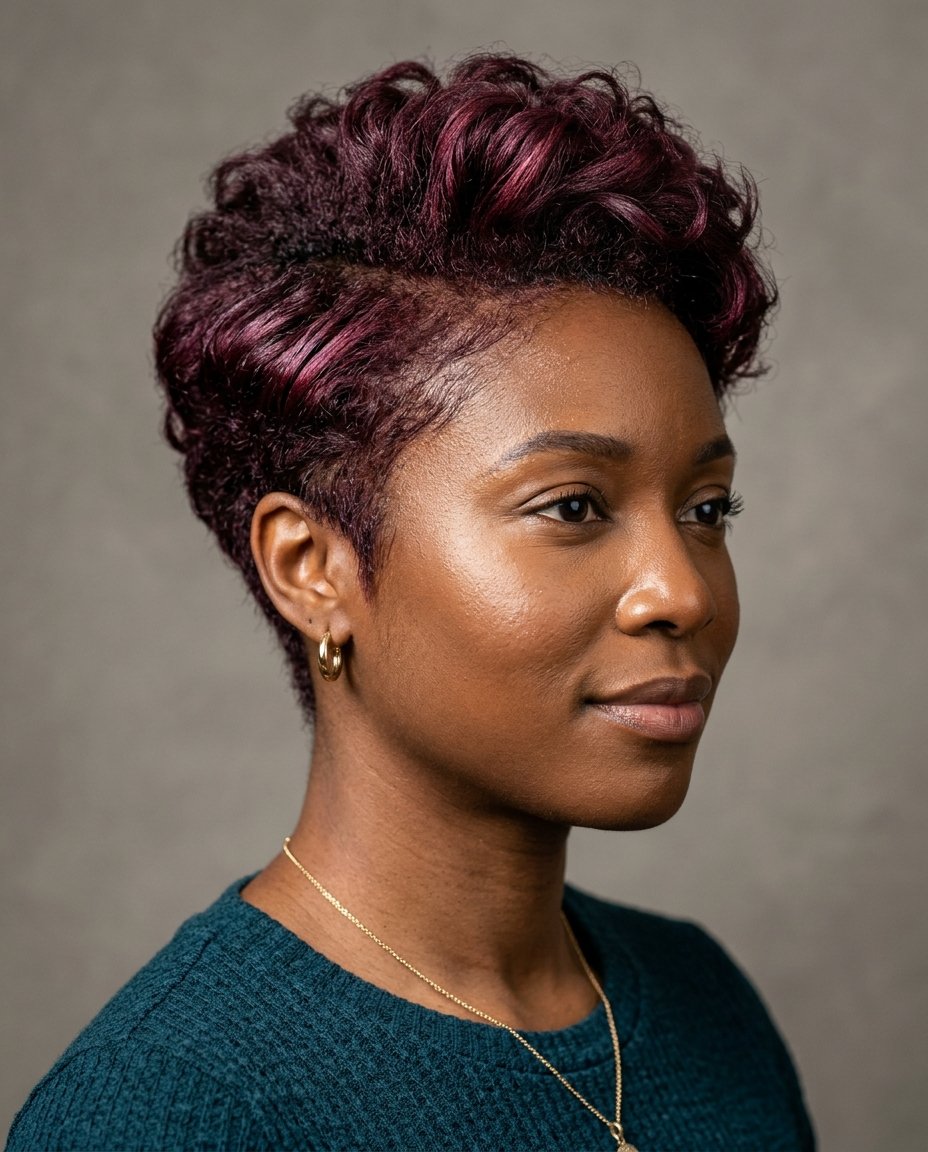
A deep red-purple shade that catches the light. Bold but wearable for most settings.
18. Two-Tone Tapered Pixie
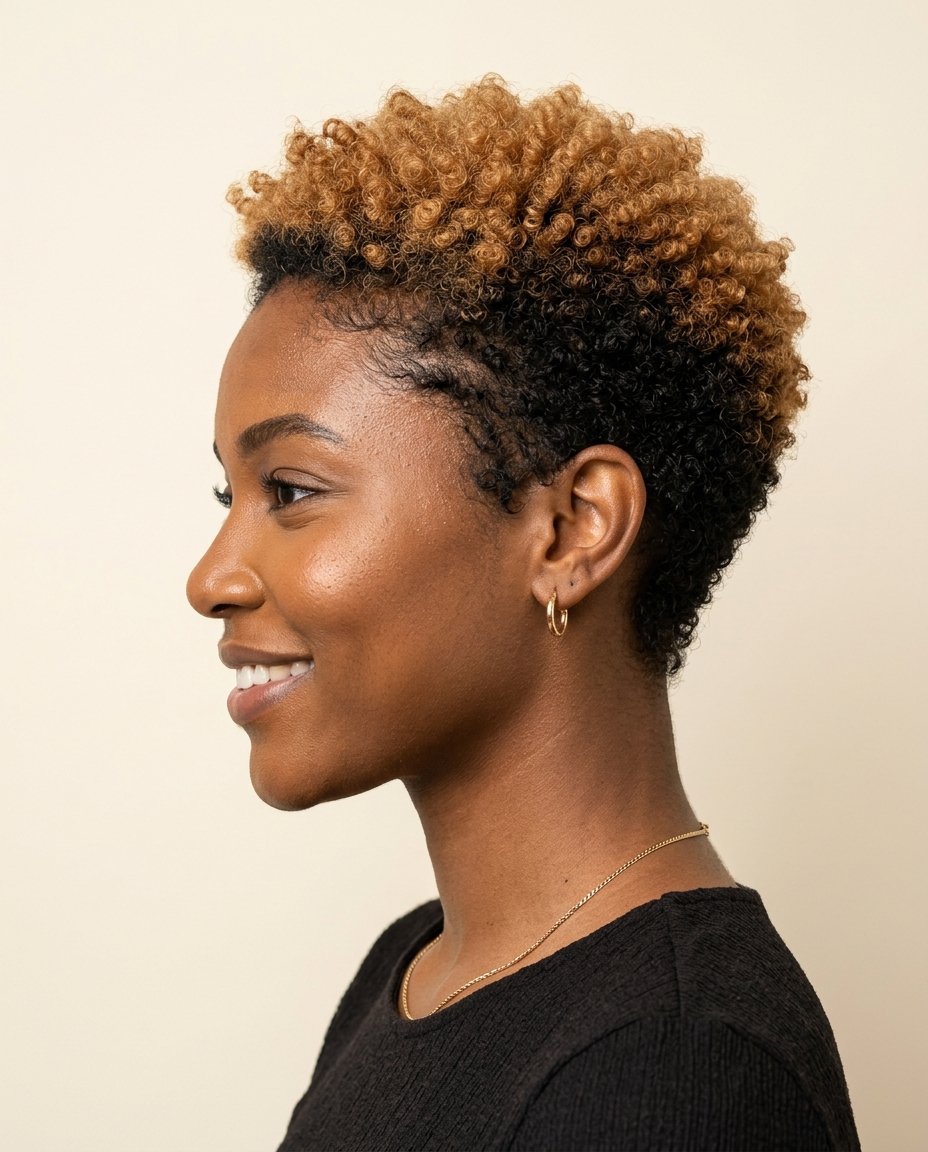
Darker sides with a lighter top. Perfect for high-contrast color play.
19. Tapered Pixie With a Shaved Line Part
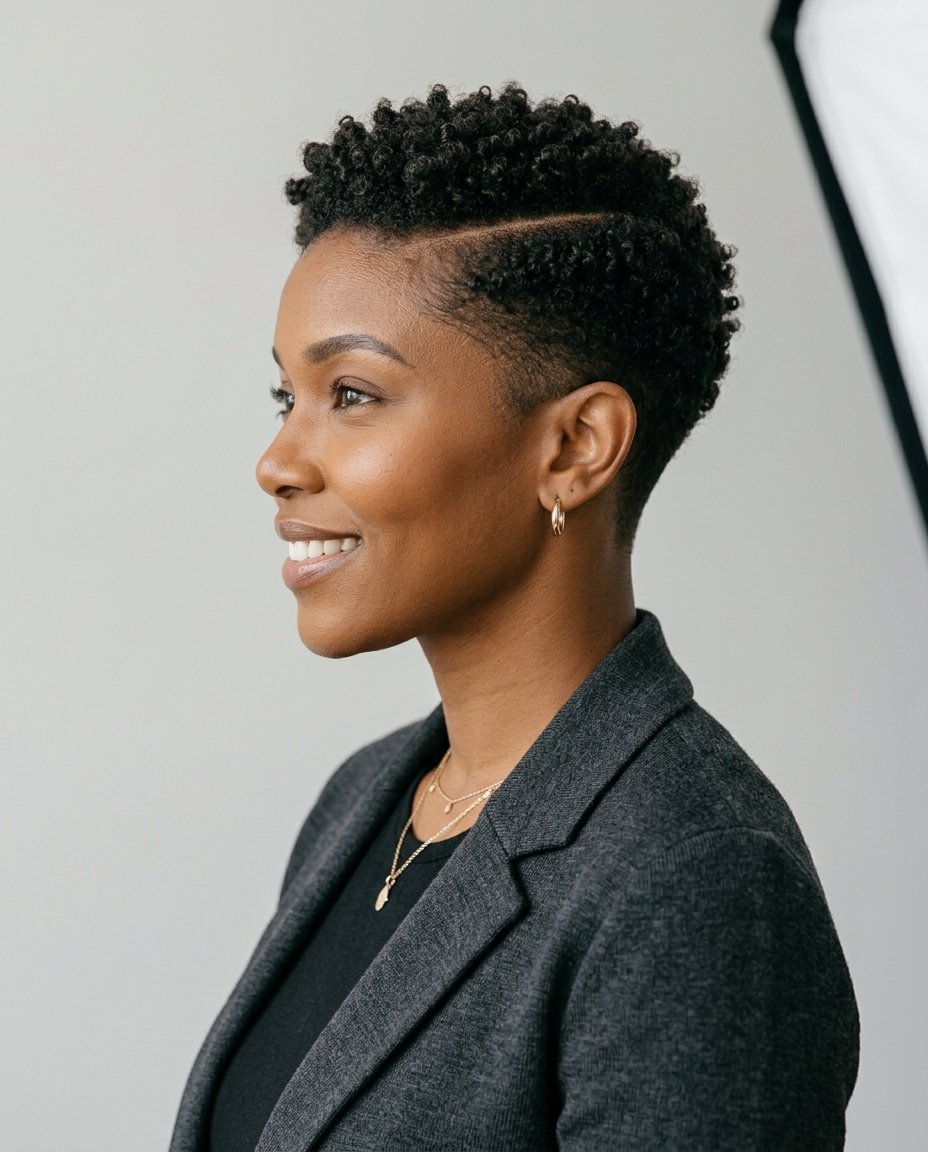
A crisp, precise part. Suits sharp, graphic styling.
20. Tapered Pixie With a Small Shaved Design
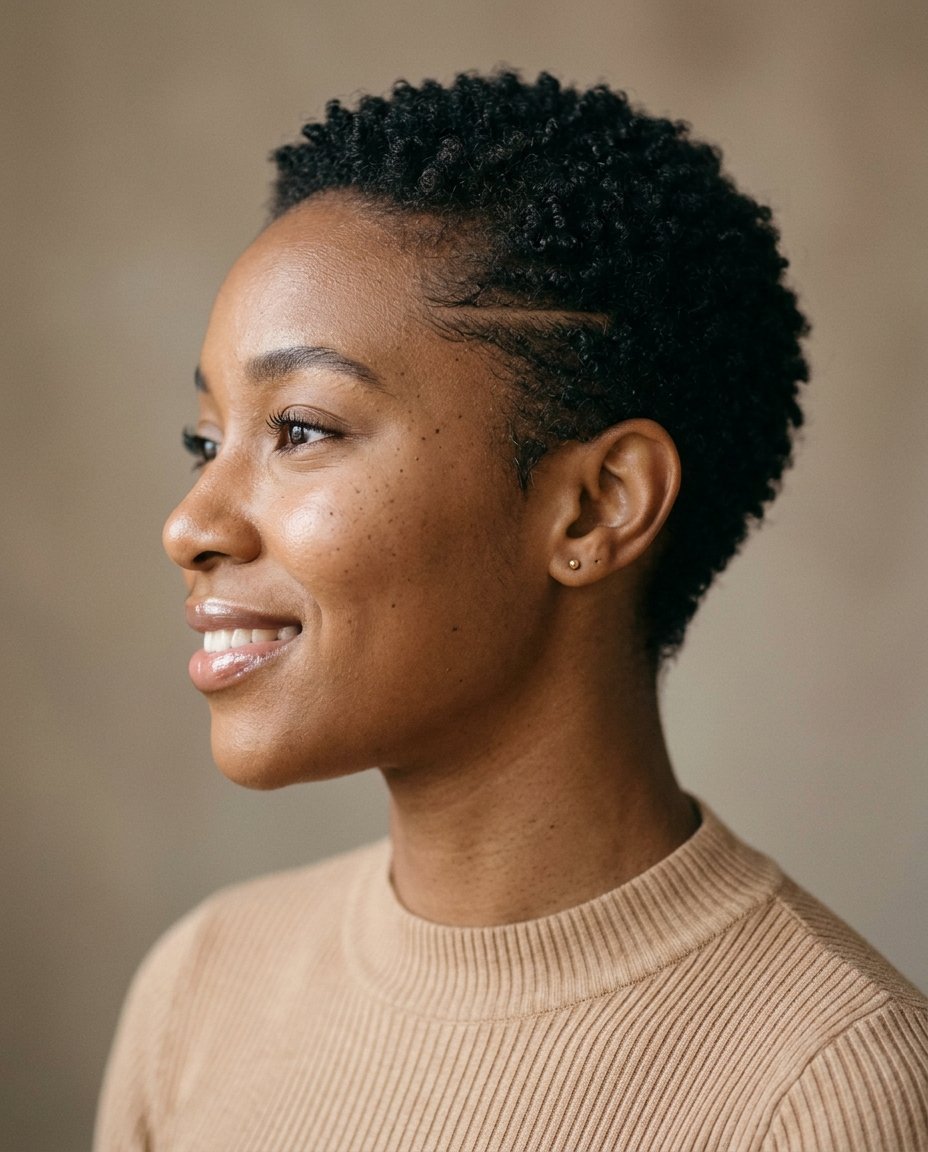
A subtle shape or line near the temple. Brings personality without much length.
21. Tapered Pixie With Short, Choppy Bangs
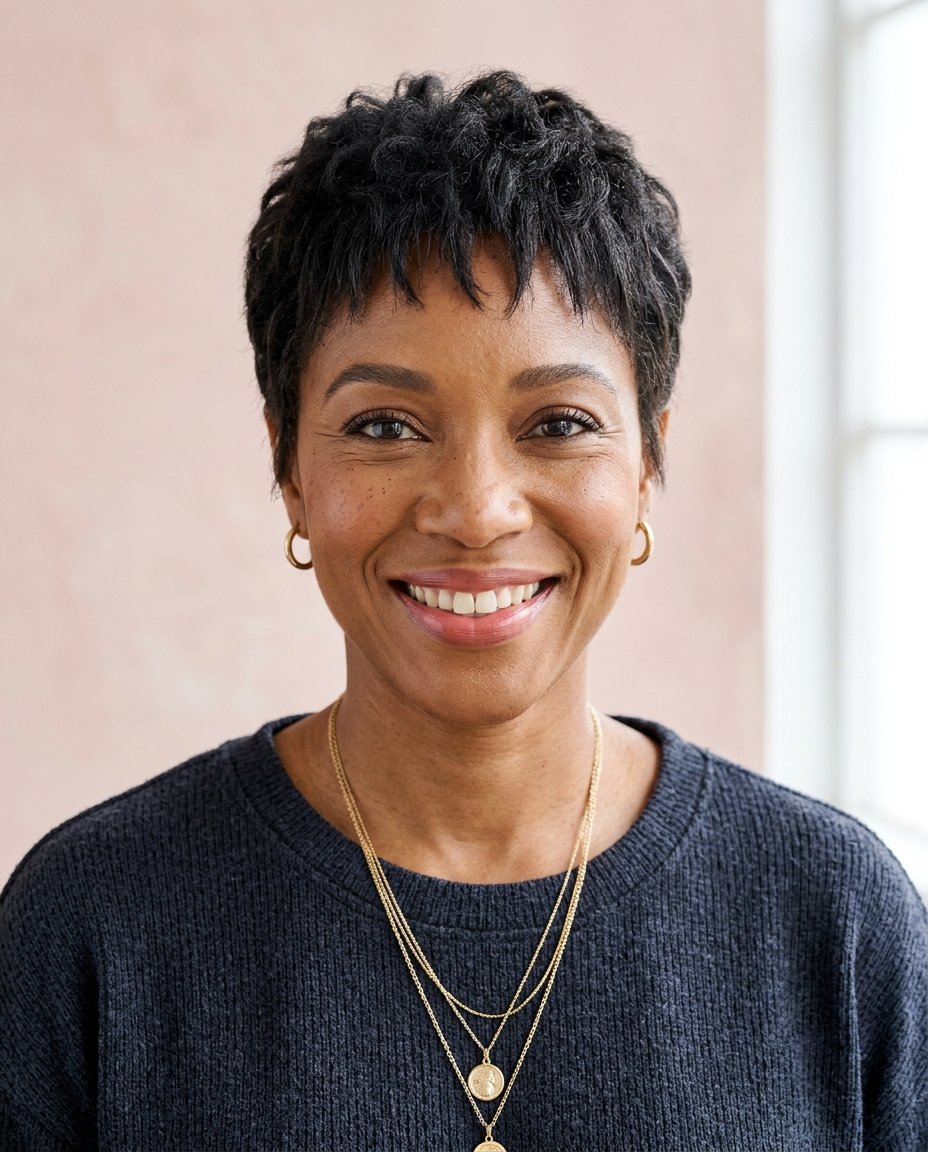
Textured bangs that frame the eyes. A playful finish for a youthful look.
Protecting Thin Edges and Sensitive Hairlines
Edges are delicate, and a taper works right around them. If your hairline is thin or sensitive, keep these points in mind:
- Choose a lower taper. A low taper keeps more length near the hairline and is usually gentler on thin areas.
- Tell your stylist upfront. Point out sparse or tender areas so they can adjust the clipper and trimmer work, especially during the shape-up.
- Be cautious with very close cuts. Cutting too close can make thinning more noticeable.
- Go easy on tension. Dermatologists link tight styles that pull on the hairline with traction alopecia. Johns Hopkins researchers reviewing the evidence estimated that about one-third of African American women experience it. jhu
The AAD also notes that even slight thinning can be the start of hair loss, and the earlier it’s diagnosed, the more effectively it can be treated. If you notice ongoing thinning, breakage, or scalp discomfort, see a dermatologist or trichologist who is experienced with Black hair. A haircut can flatter your hairline, but it isn’t a treatment for hair loss. aad
How to Ask Your Stylist for a Tapered Pixie
Clear communication prevents most haircut regrets.
What to Bring and What to Say
Bring two or three photos of cuts you like, ideally on a texture similar to yours. A photo on straight hair can look very different on coily hair, so match texture when you can.
Screenshot-ready consultation checklist:
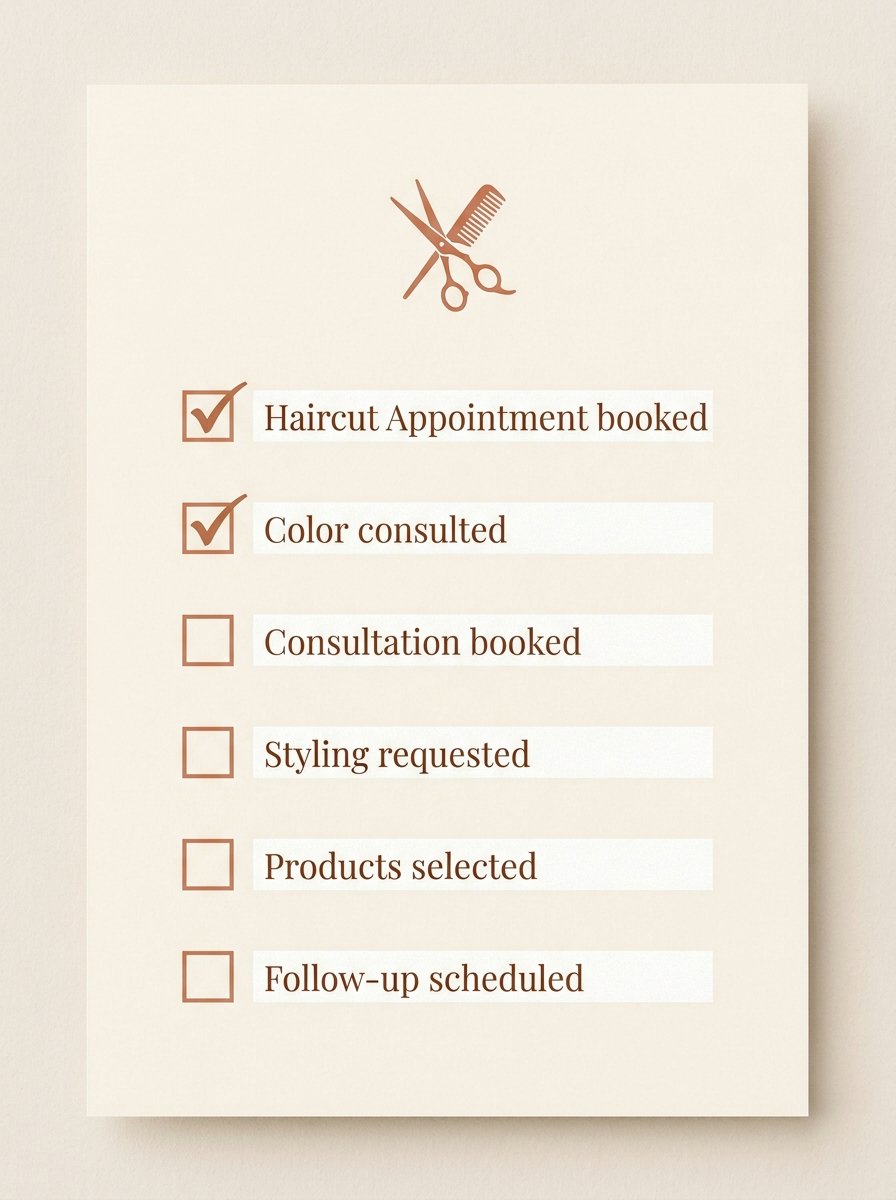
- “I’d like a tapered pixie, with the sides and nape tapered and the top left longer.”
- “I want a low / mid / high taper.”
- “I’d like the nape softly tapered / squared / rounded.”
- “I want a shape-up / no shape-up around my hairline and temples.”
- “I have thin edges / a receding temple / a cowlick I’d like you to work around.”
- “I’d like to style it curly / sleek / waved most days.”
Speak up during the service, too. The AAD advises that if styling hurts at any point, you should ask your stylist to stop and redo it. aad
Barber or Salon: Which Is the Better Fit?
Both can do a great job. Barbers often have deep clipper-and-taper experience, which helps with precise shaping and clean shape-ups. Salon stylists may be stronger at texture, layering, and color. What matters most is experience with textured hair, so look at portfolios and ask whether they regularly cut hair like yours.
Styling and Daily Care for a Short Tapered Cut
Short hair can still be dry hair, so moisture and protection matter. The AAD’s everyday guidance for Black hair is to wash once a week or every other week to avoid product buildup, and to use conditioner every time, coating the ends. With a short cut you may wash more often depending on your routine, so adjust to what your scalp and hair need. aad
- Cleanse gently. Use a moisturizing shampoo and avoid scrubbing hard on short hair.
- Condition and seal. A leave-in conditioner followed by a light oil or butter helps lock in moisture.
- Style with a light hand. Heavy products and thick edge control can weigh short hair down and build up.
- Protect at night. A satin bonnet or scarf reduces friction and helps keep your shape.
| Hair type | Product type | How to apply | Frequency |
|---|---|---|---|
| 4C / 4B | Leave-in conditioner, then butter or oil | Apply to damp hair, then seal | After each wash, with light refreshes as needed |
| 3C / 4A | Curl cream or light gel | Scrunch into damp curls | Wash days |
| Relaxed / straight | Smoothing serum, heat protectant | Smooth through hair before styling | Whenever you style |
Products work differently for everyone, so adjust based on how your hair feels and looks over a few weeks.
Maintenance Schedule, Trim Timing, and Costs
A tapered cut looks best when it’s kept fresh. There’s no universal rule, but many stylists suggest cleanups every three to six weeks, depending on taper level, hair growth, and how sharp you like the lines. Prices vary widely by city, salon, and stylist, so ask about the cost of a full cut versus a cleanup or shape-up before you book.
| Week range | What to do | Why it matters |
|---|---|---|
| Weeks 1 to 2 | Enjoy the fresh shape and keep moisture consistent | The cut looks cleanest now, and you learn how you like to style it |
| Weeks 3 to 4 | Book a cleanup if you have a mid or high taper | Edges and nape lines start to soften and grow in |
| Weeks 5 to 6 | Schedule a trim, or a full cut if the top has lost its shape | Shape is easier to restore before it grows out too far |
Some people stretch cleanups longer for a softer, more relaxed look. That’s fine, as long as you like how it grows out.
Growing Out a Tapered Pixie Gracefully
Growing out a pixie takes patience, but it doesn’t have to look awkward.
- The first few months: The taper softens and the top gets fuller. Keep tidying the nape and edges so it still looks intentional.
- The middle stage: This is the hardest phase for many people. Headbands, light twists, and soft accessories can bridge the in-between length.
- The later stage: Trim split ends and shape the cut gradually toward your target length.
Common mistakes to avoid:
- Skipping trims entirely, which can leave ends uneven and straggly.
- Letting dryness build up, since short hair can still break.
- Expecting the same growth every month. Hair grows at different rates for everyone.
- Pulling hair into tight styles as soon as it’s long enough, which adds tension at the hairline.
Frequently Asked Questions
What does “tapered” mean in a pixie cut?
A tapered pixie has hair that gradually shortens along the sides and nape, while the top stays longer. The change in length is smooth rather than abrupt, which gives the cut a soft, polished shape. You can choose a low, mid, or high taper depending on how dramatic you want it to look.
Does a tapered pixie work on 4C hair?
Yes, it works well on 4C hair. Coily texture holds shape beautifully, which makes tapering a flattering way to sculpt the silhouette. Ask your stylist to cut with your hair in its usual styling state, since shrinkage can make the length look different once it’s dry.
How often does a tapered pixie need a trim?
Many stylists recommend a cleanup every three to six weeks. Higher tapers and sharper lines usually need more frequent upkeep, while a low taper can go a little longer. How fast your hair grows and how crisp you like the look will decide what works for you.
Can I get this cut with thinning edges?
Often, yes, but it takes care. A low taper tends to be gentler around the hairline, and sharing your concerns with your stylist helps them adjust. If thinning is ongoing or worrying you, check in with a dermatologist or trichologist before making a big change.
Is a tapered pixie the same as a fade?
Not exactly. A taper shortens gradually and usually keeps some visible length along the sides, while a fade blends down to very short or skin-level hair. Many people find a taper softer and easier to wear, though stylists sometimes use the terms loosely, so show a photo.
Can I color a tapered pixie cut on black hair?
Yes. Many people color just the top and leave the tapered sides natural for contrast. Lightening dark hair usually requires bleach, which can dry out coily and curly textures, so talk to a colorist about your hair’s condition first. A gloss or a tonal shade is a gentler option.
How long does it take to grow out?
It depends on your starting length, growth rate, and target style. Hair grows at different speeds for everyone, so there’s no exact timeline. Regular trims, steady moisture, and a few styling bridges, like headbands or twists, make the in-between stage much easier.
Conclusion
A tapered pixie cut on black hair works because it’s flexible. You can keep it soft with a low taper, make it bold with a high one, and style it coily, curly, sleek, waved, or colored. The best version is the one that matches your texture, your hairline, and the amount of upkeep you’re happy to do.
Before you book, pick a taper level, save one or two photos with a texture similar to yours, and bring the consultation checklist from this guide. Then plan regular cleanups and a simple moisture routine to keep the shape sharp. If you’re still weighing options, our guide to edgy pixie cuts for round faces is a good next read.
Sources and further reading
- American Academy of Dermatology: Black hair: Tips for everyday care
- American Academy of Dermatology: How to prevent hair damage from a weave or extensions
- Johns Hopkins University: Hairstyling practices and traction alopec

Harry is a hair and beauty content creator at HairGlowBlog, sharing practical tips on hairstyles, hair care, hair styling, and beauty trends. Her content focuses on easy hairstyle ideas, hair care routines, styling tips, and inspiration for different hair types and occasions.

Leave a Reply