
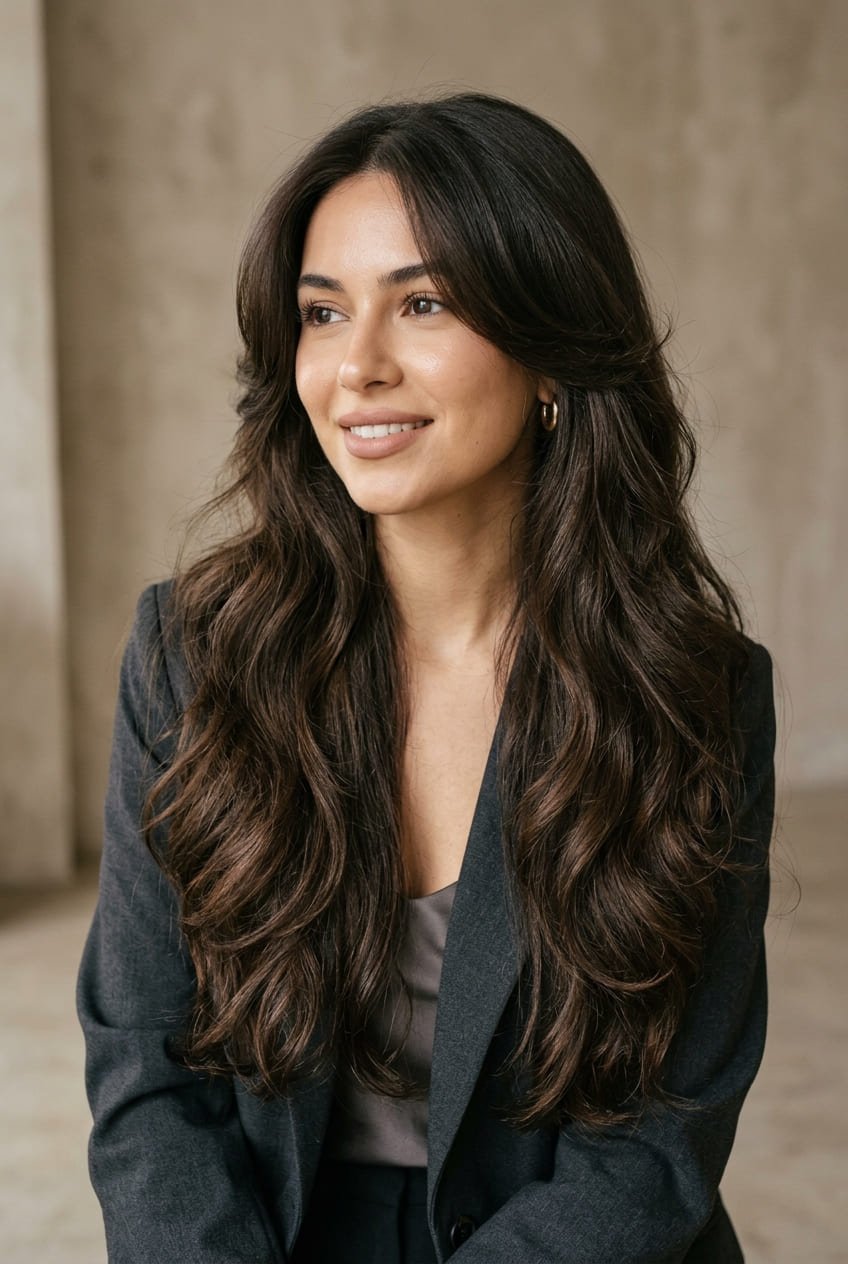
A butterfly haircut long hair style combines shorter, face-framing layers with longer layers underneath to create movement, volume, and a flowing shape while keeping most of the overall length.
It is a versatile choice if you want your long hair to look more dimensional without committing to a short haircut. The best version depends on your hair density, natural texture, face shape, preferred length, bangs preference, and styling routine.
Quick Answer: Is a Butterfly Haircut Good for Long Hair?
Yes. A butterfly haircut works particularly well on long hair because the extra length allows shorter layers around the face and crown to blend into longer layers underneath.
The result can add:
- Movement
- Volume
- Face-framing shape
- Softness around the front
- More dimension through long lengths
If keeping your overall length is important, ask your stylist to preserve the longest ends while deciding carefully where the shortest layer should fall.
What Is a Butterfly Haircut for Long Hair?
A butterfly haircut is a layered hairstyle that combines shorter upper and face-framing layers with longer lower lengths.
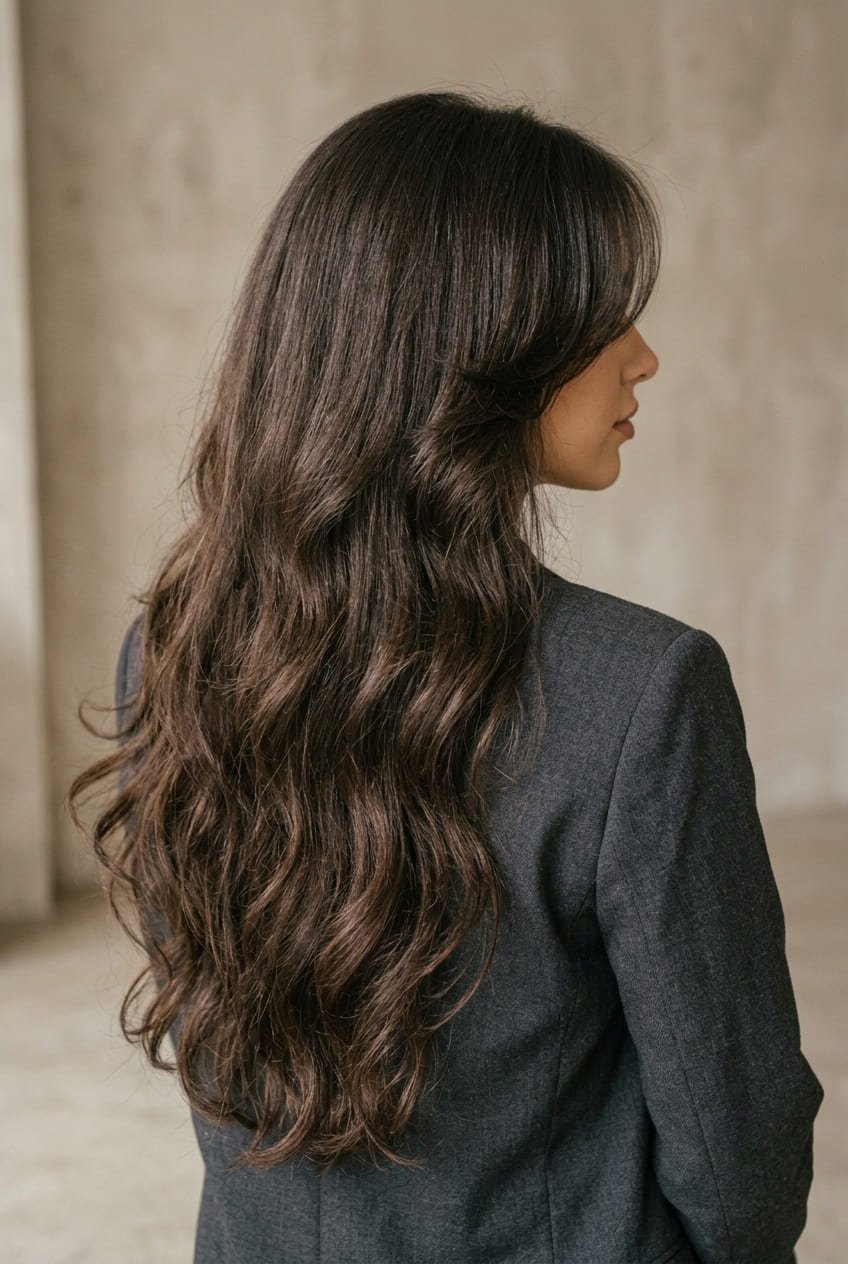
The shorter layers create movement around the face and crown, while the longer layers maintain the flowing appearance of long hair.
The defining feature is the contrast between the shorter and longer sections. A softer butterfly cut has a smaller difference between the layers, while a dramatic version creates more visible volume and separation.
Unlike a single-length haircut, butterfly layers give long hair several levels of movement. Unlike a heavily shaggy or wolf-inspired cut, the style can maintain a smoother and more flowing silhouette.
The final result depends on your starting length, hair density, natural texture, and how much layering your stylist creates.
15 Butterfly Haircut Long Hair Styles to Consider
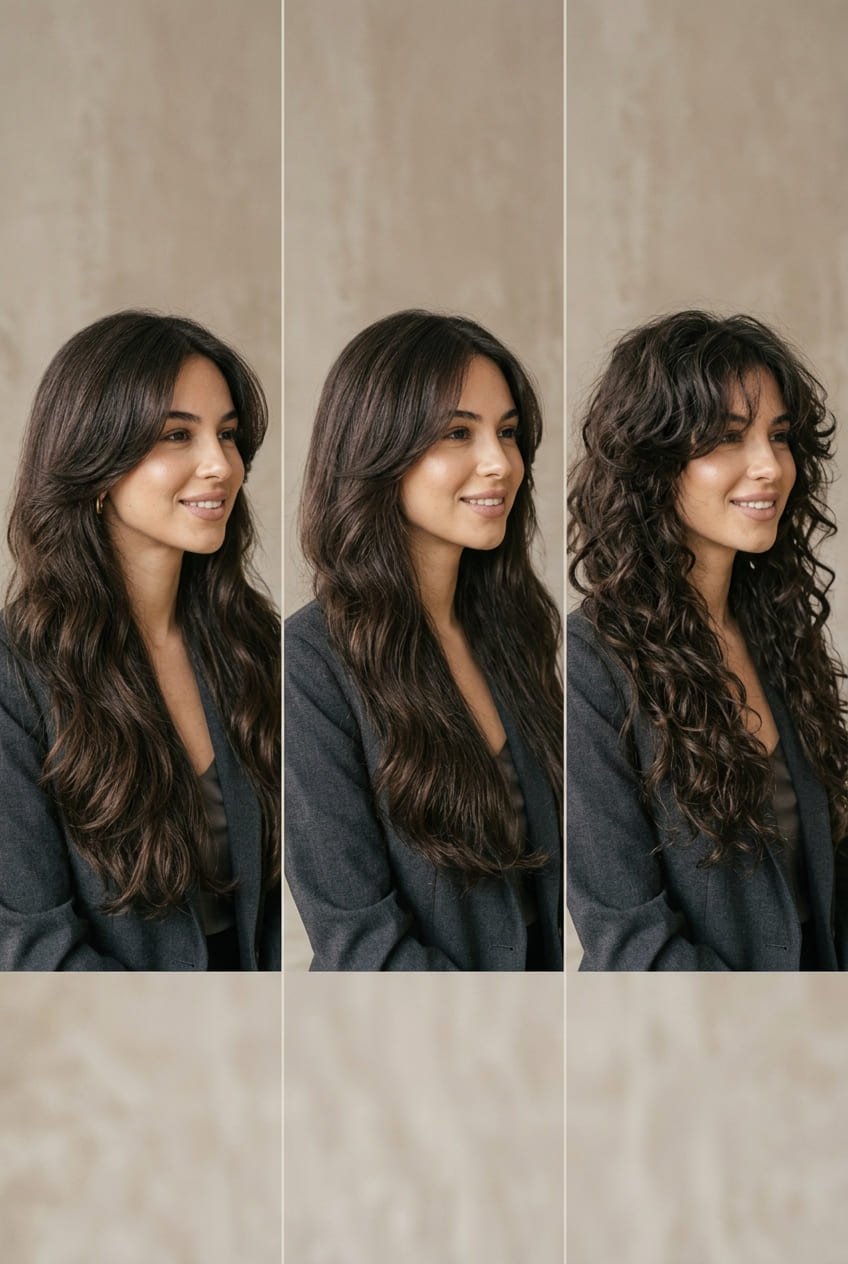
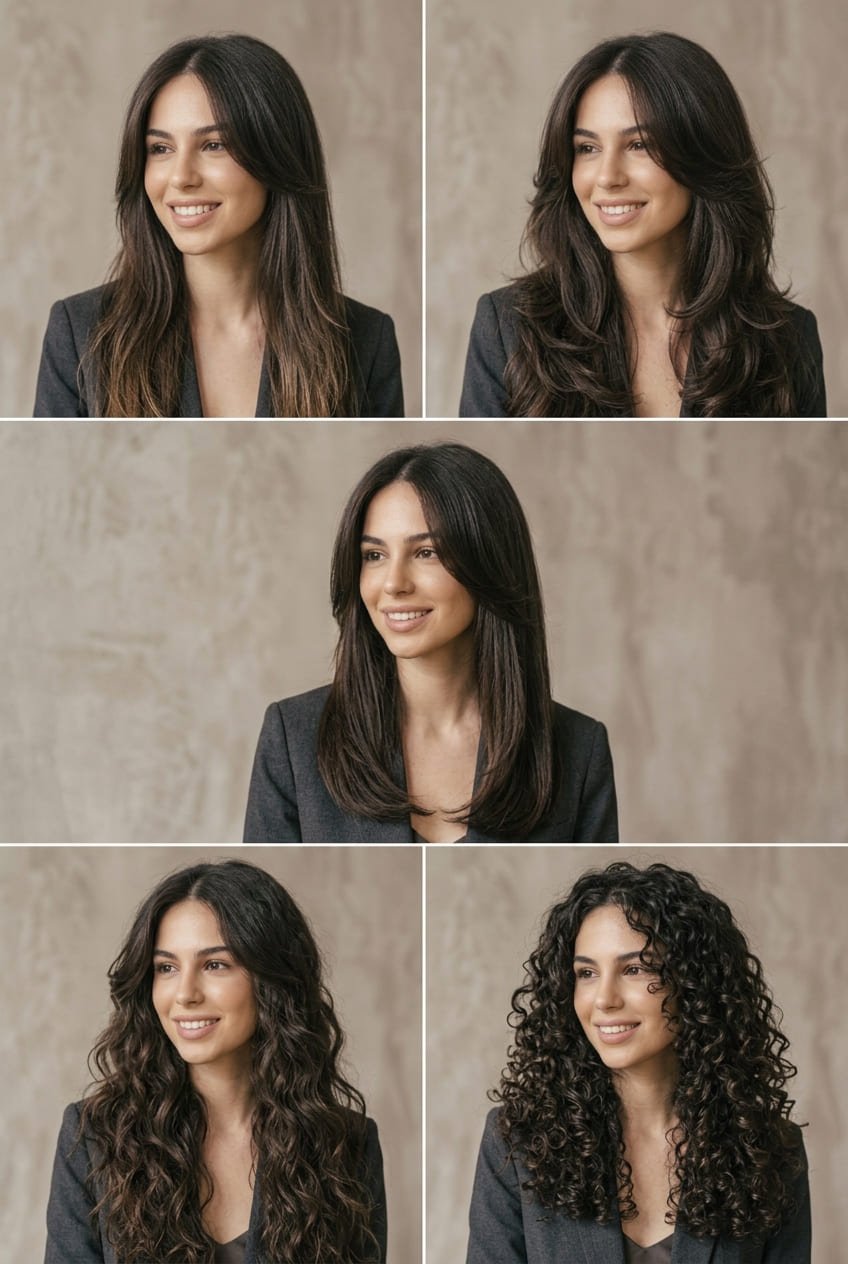
There is no single way to wear a butterfly cut. You can adjust the layer length, face framing, bangs, and amount of volume to create a look that suits your hair and lifestyle.
1. Classic Long Butterfly Cut
The classic version combines shorter face-framing layers with longer layers through the rest of the hair.
It is a good starting point if you want visible movement while keeping your overall length.
2. Soft Butterfly Layers
Soft butterfly layers create a more subtle difference between the shortest and longest sections.
This version works well if you want movement without an obviously dramatic layered effect.
3. Dramatic Butterfly Layers
Dramatic layers create a stronger contrast between the shorter upper sections and the longer ends.
This can produce more noticeable volume and a bolder face-framing effect, especially when styled with a blowout.
4. Butterfly Haircut With Curtain Bangs
Curtain bangs can connect the front of the haircut to the shorter butterfly layers.
They are a good choice if you want a more noticeable change around the face without cutting the rest of your hair short.
5. Butterfly Cut With Long Face-Framing Layers
If you do not want bangs, longer face-framing pieces can create a similar effect.
This option is also easier to grow out than shorter bangs and can require less daily maintenance.
6. Butterfly Cut for Fine Hair
Fine hair can benefit from carefully placed layers that create movement without removing too much visual weight.
For fine or low-density hair, ask for controlled layering and a fuller-looking perimeter rather than excessive thinning.
7. Butterfly Cut for Thick Hair
Thick hair can support more pronounced layering because there is usually plenty of natural density.
The goal should be to distribute weight strategically while maintaining a balanced shape.
8. Butterfly Cut for Straight Hair
Straight hair can show the structure of butterfly layers clearly.
A round brush or volume-focused blow-dry can make the shorter layers more visible and create a bouncy finish.
9. Butterfly Cut for Wavy Hair
Wavy hair can give butterfly layers natural movement.
The layers should be adapted to your natural wave pattern so that the haircut still looks balanced when the hair dries naturally.
10. Butterfly Cut for Curly Hair
Curly hair can also work with a butterfly-inspired shape, but shrinkage and curl pattern need to be considered.
A layer that looks long when wet may appear significantly shorter once the curls dry.
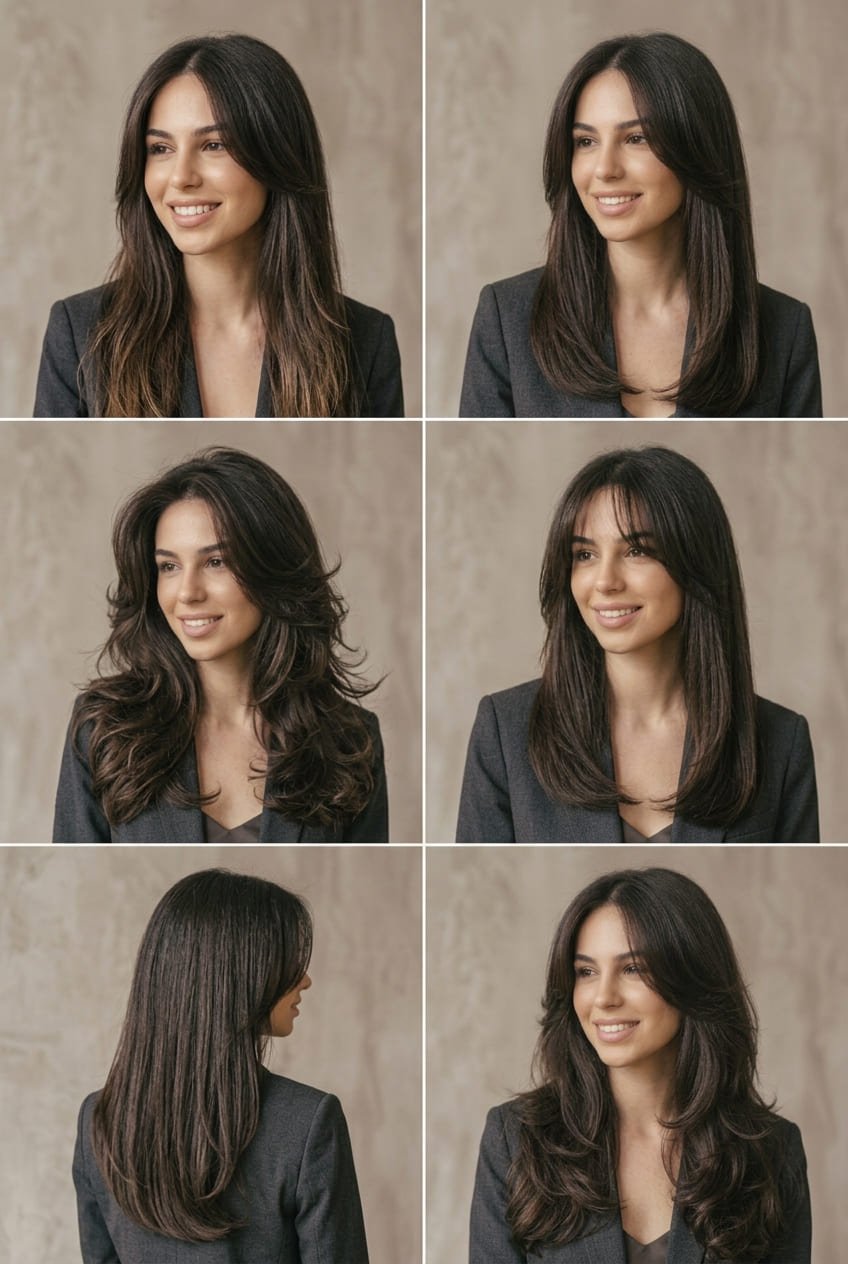
11. Face-Framing Butterfly Layers
This version focuses more attention on the front of the haircut.
The shortest pieces can be positioned to frame the cheekbones, jawline, or another area you want to emphasize.
12. Long Butterfly Cut With Minimal Layers
Minimal layering is useful if preserving length and fullness is your main priority.
The result is softer and easier to grow out while still providing some movement around the face.
13. Voluminous Butterfly Blowout
The haircut can be paired with a round-brush blowout to emphasize the layered shape.
The front pieces are usually styled away from the face to create the classic flowing effect.
14. Butterfly Cut With Long Bangs
Long bangs can blend gradually into the surrounding layers.
This creates face framing without the shorter, more defined appearance of traditional curtain bangs.
15. Butterfly Cut With U-Shaped Ends
A U-shaped perimeter can maintain a soft, flowing appearance through the longest lengths.
Combined with butterfly layers, it can create movement while keeping the back looking long and full.
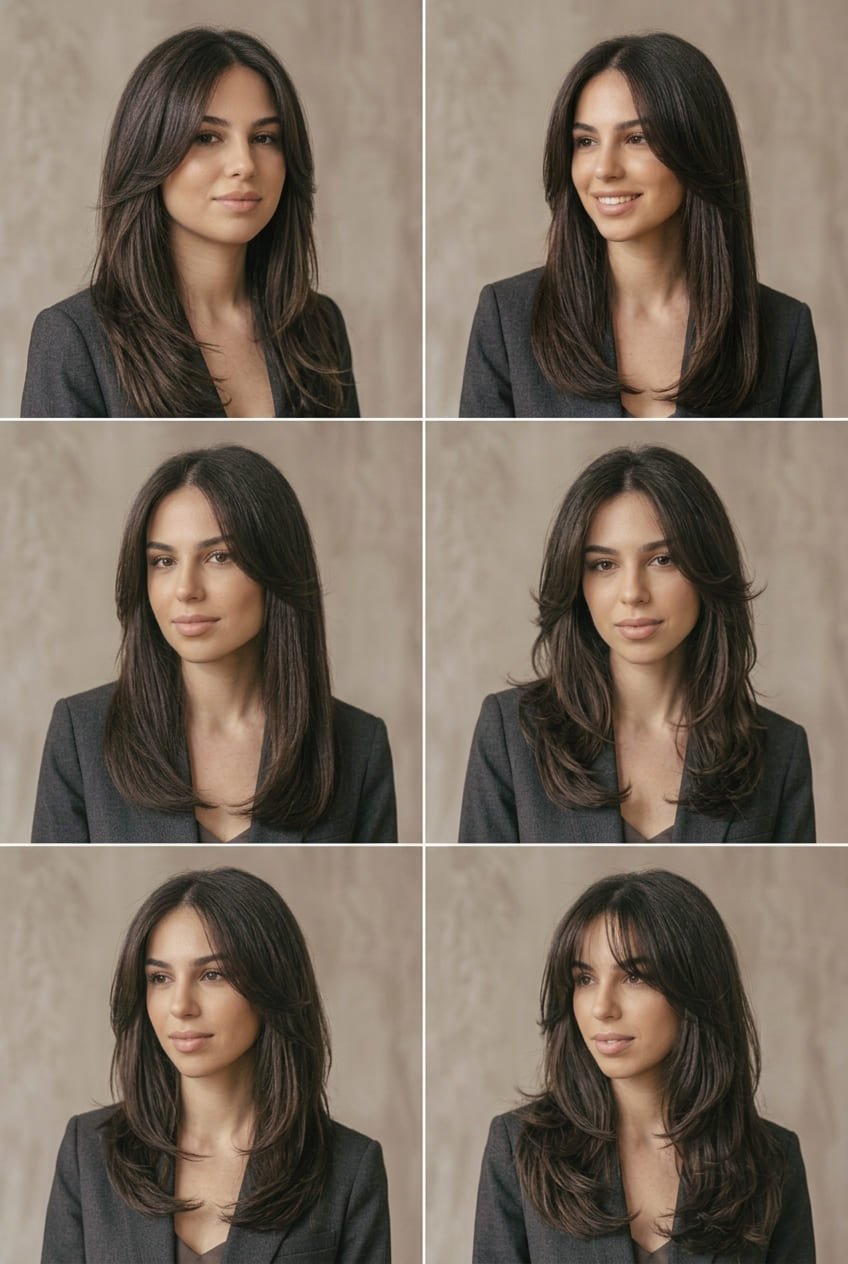
Why Long Hair Works So Well With Butterfly Layers
Long hair gives a stylist plenty of length to work with.
That makes it possible to create shorter layers around the face and upper sections without removing the majority of the length underneath.
A butterfly cut can be particularly useful when long hair feels:
- Flat at the crown
- Heavy through the lengths
- Too uniform around the face
- Lacking movement
- Difficult to style
- In need of shape without a major length change
However, having long hair does not automatically mean you need many layers.
The ideal amount of layering depends on your density, texture, styling habits, and how much length you want to preserve.
How Much Length Can You Keep With a Butterfly Cut?
One of the biggest advantages of a butterfly haircut long hair style is that you can usually preserve substantial length through the bottom.
The important distinction is between overall length and shortest layer length.
You can keep long ends while having significantly shorter pieces around the face, crown, or upper sections.
The more dramatic the haircut, the greater the visual difference between the shortest and longest layers.
Before your appointment, ask:
“I want a butterfly shape, but I want to preserve as much of my overall length as possible. Where will my shortest layer fall?”
This is more specific than simply asking for a butterfly haircut.
If preserving length is your priority, bring reference photos showing the front, side, and back of the haircut.
Choose Your Butterfly Cut by Hair Density and Texture
There is no single butterfly haircut that works exactly the same way on every head of hair.
Your ideal layer placement depends on both density and natural texture.
Fine or Low-Density Hair
Fine hair can benefit from strategically placed layers, but too many short layers may make the ends appear less substantial.
A softer layered shape can provide movement while preserving visual fullness.
Consider:
- Longer blended layers
- Controlled face-framing pieces
- Fewer extremely short layers
- A fuller-looking perimeter
- Moderate rather than aggressive thinning
If your hair is both fine and low density, tell your stylist that maintaining fullness through the ends is important.
Thick or Dense Hair
Thick hair can support stronger layering, but the goal should be controlled movement rather than unnecessary removal of bulk.
Long butterfly layers can help distribute visual weight and create a more shaped silhouette.
Depending on your hair, your stylist may consider:
- Longer internal layers
- Face-framing pieces
- Strategic bulk reduction
- More noticeable upper layers
- A blended perimeter
More thinning is not automatically better. The technique should be adapted to your density and texture.
Straight Hair
Straight hair can show the structure of layered haircuts clearly.
A butterfly cut on straight hair can look sleek when worn naturally and more voluminous when styled with a round brush.
If your hair tends to lie flat, discuss where you want the layers to create lift before cutting.
Wavy Hair
Wavy hair can give butterfly layers natural movement without requiring as much styling.
Your stylist should consider how your waves form when dry because the final layer lengths can look different from the wet cutting stage.
Curly Hair
Curly hair can also work with a butterfly-inspired layered shape, but the cutting approach needs to account for shrinkage and curl pattern.
Ask your stylist to consider how your curls behave when completely dry before deciding on the shortest layers.
Should You Choose Soft or Dramatic Butterfly Layers?
Not every butterfly haircut needs to look highly layered.
Think of the style as a spectrum.
Soft butterfly layers create subtle movement while keeping the overall shape blended. They are a good option if you want a noticeable refresh without a dramatic change.
Dramatic butterfly layers create a stronger difference between shorter upper layers and longer lower lengths. They can produce more visible volume and a stronger face-framing effect.
Your styling routine should also influence your choice.
If you rarely heat-style your hair, a softer version may be easier to manage. If you enjoy blowouts and volume-focused styling, you may prefer more pronounced layers.
Should You Get Curtain Bangs or Longer Face-Framing Layers?
Curtain bangs are commonly paired with butterfly haircuts, but they are not required.
Butterfly Cut With Curtain Bangs
Curtain bangs can emphasize the face-framing effect and create a stronger connection between the shorter front pieces and the rest of the layers.
They can also change the overall impression of the haircut more dramatically than simply adding long layers.
If you like curtain bangs, bring reference photos showing your preferred bang length.
Butterfly Cut With Long Face-Framing Layers
Long face-framing layers are a good alternative if you want movement around the face without committing to bangs.
They can be easier to grow out and may require less daily styling.
What Face Shape Is Best for a Butterfly Haircut?
A butterfly cut can be adapted to different face shapes. The most important consideration is where the face-framing layers begin and how much volume is created around the face.
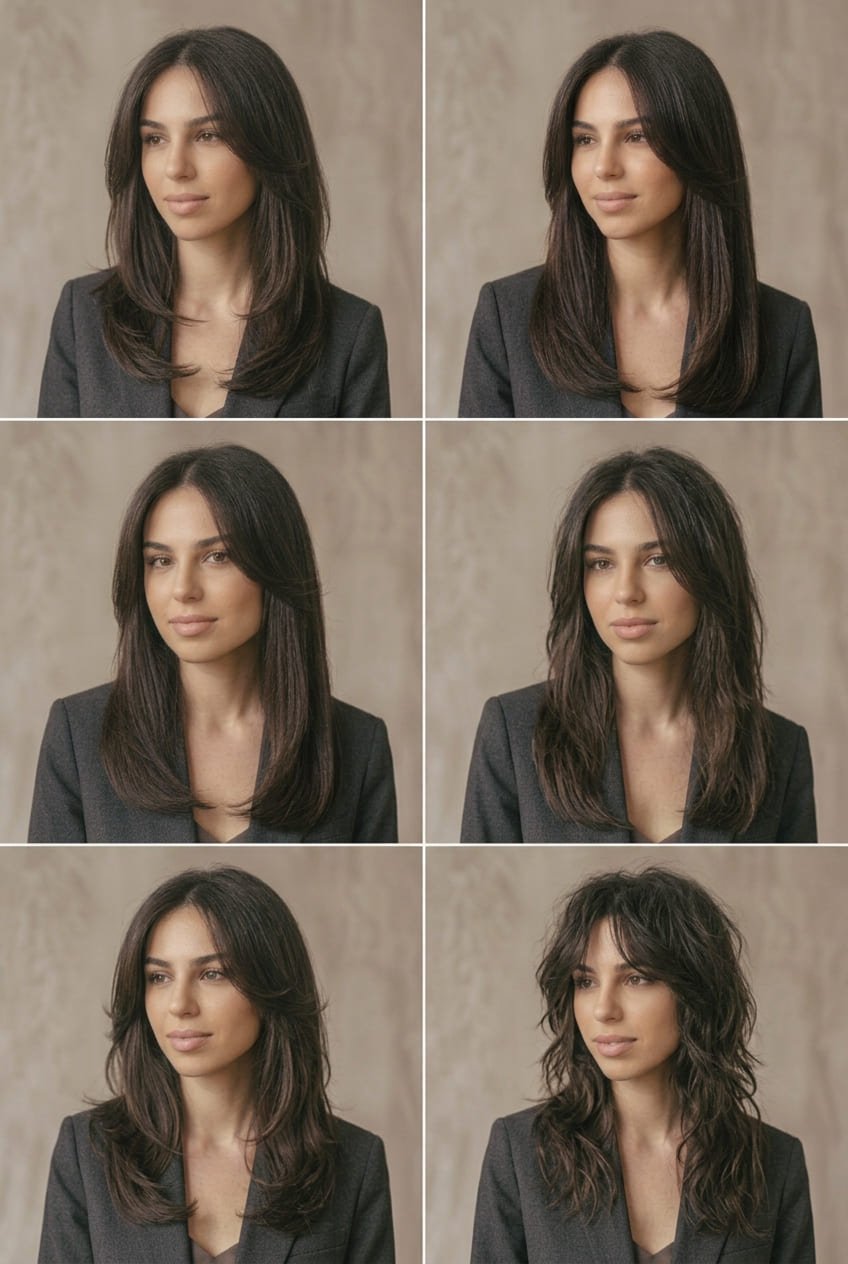
Round Face
Longer face-framing layers can help create a more elongated visual effect.
If you want to reduce emphasis around the widest part of the face, discuss the starting point of the layers with your stylist.
Oval Face
Oval faces can generally accommodate a wide range of layer placements.
You can choose either a soft or dramatic butterfly shape depending on your preferred look.
Square Face
Soft, flowing layers around the face can help create a less angular overall appearance.
Heart-Shaped Face
Face-framing layers that add movement toward the lower part of the face can help create visual balance.
Long Face
Some volume around the sides can create visual balance.
Your stylist can adjust the layer placement according to your facial proportions and natural hair texture.
The best approach is to consider face shape together with your actual hair rather than using face shape as the only deciding factor.
Butterfly Cut vs. Traditional Long Layers vs. Wolf Cut
| Style | Main Characteristic | Overall Effect |
|---|---|---|
| Butterfly Cut | Shorter upper and face-framing layers with longer lengths | Flowing, voluminous and bouncy |
| Traditional Long Layers | More evenly distributed long layers | Subtle movement and shape |
| Wolf Cut | Shaggier, more textured layering | Edgy, messy and highly textured |
A butterfly cut is generally softer and more flowing than a wolf cut.
Traditional long layers may be a better option if you want minimal visible variation.
A butterfly cut is better suited to someone who wants more noticeable movement around the face and upper sections while keeping long lengths underneath.
How to Tell Your Hairstylist Exactly What You Want
A good salon consultation for a butterfly haircut long hair style should go beyond simply naming the haircut.
Instead of saying:
“I want a butterfly haircut.”
Explain what you want to keep, change, and avoid.
You can say:
“I want long butterfly layers with movement around my face, but I want to preserve as much of my overall length as possible. I prefer the shorter layers to blend into the longer lengths, and I don’t want the ends to look too thin.”
Then clarify:
- How much overall length you want to keep.
- Where you want the shortest layer to fall.
- Whether you want curtain bangs.
- How much volume you want around the crown.
- Whether you normally wear your hair straight, wavy, or curly.
- How often you are willing to style it.
- Whether you want a soft or dramatic layered effect.
Bring multiple reference photos if possible. One can show the front, another the side, and another the back length.
How to Style a Long Butterfly Haircut
The butterfly haircut long hair creates the basic shape, but styling can make the layers much more visible.
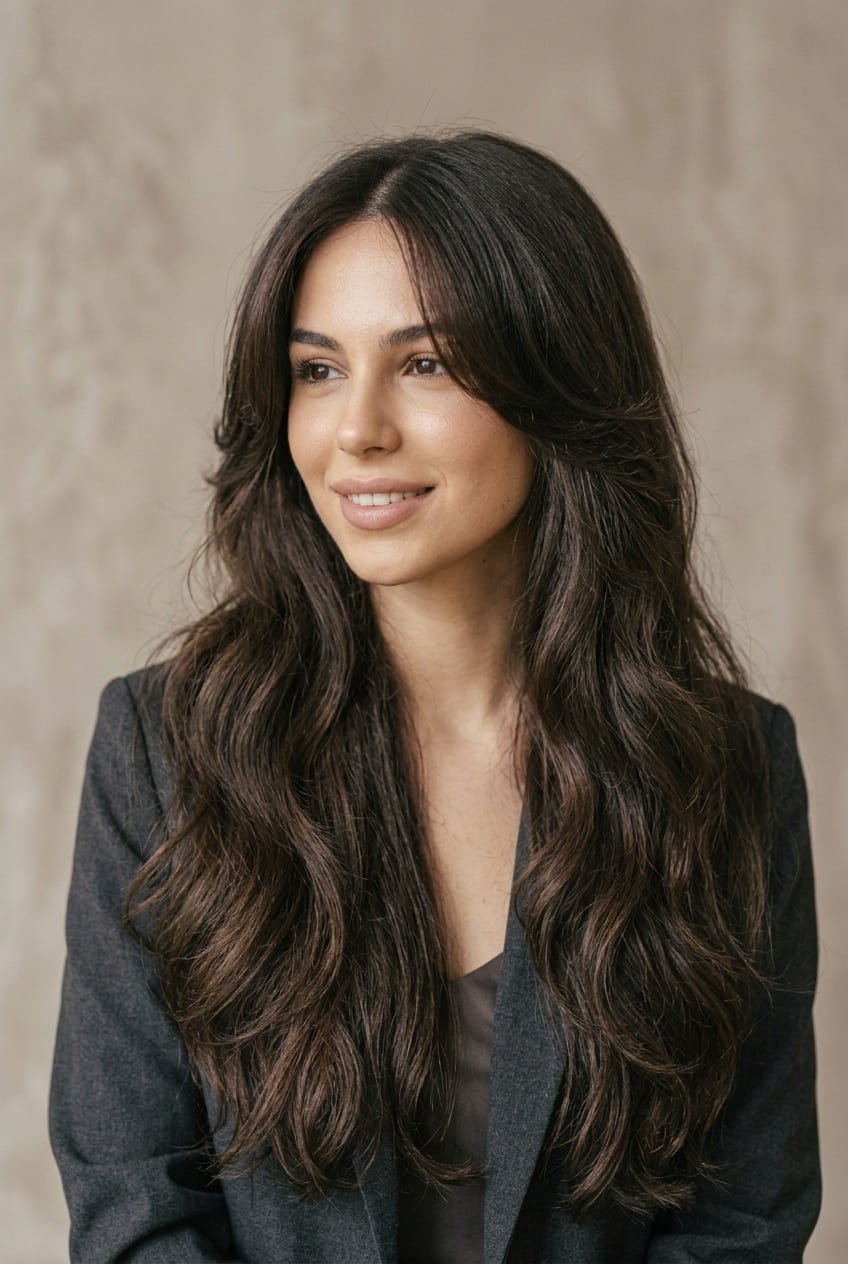
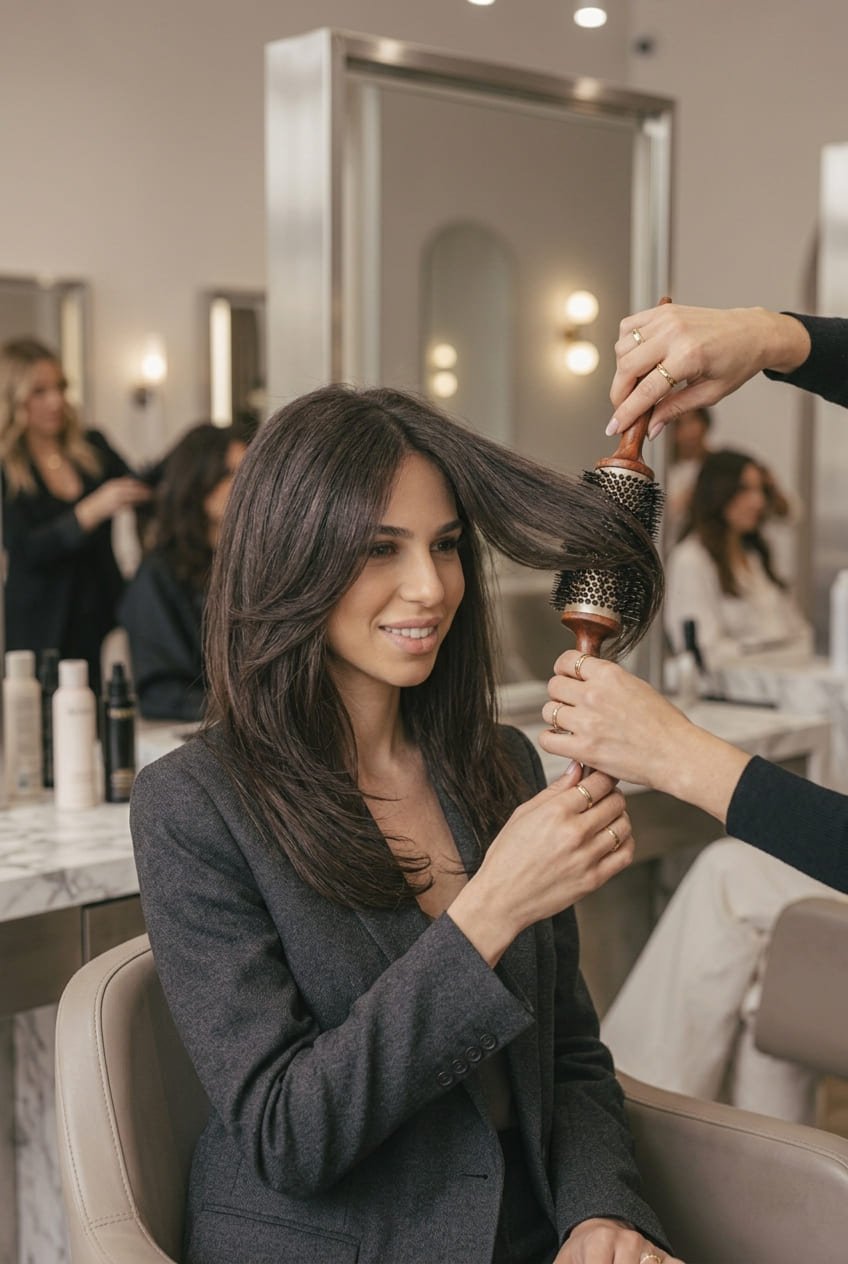
Blow-Dry for Volume and Movement
A round brush can help lift the roots and shape the shorter layers.
For a classic bouncy effect, direct the front sections away from the face while drying.
The longer layers can then be shaped to follow the overall flow of the haircut.
Use a Curling or Styling Tool
A large-barrel curling iron or similar styling tool can create soft bends through the layers.
Focus on relaxed movement rather than tight curls if you want a classic butterfly finish.
Always use appropriate heat protection and follow the temperature recommendations for your hair type and styling tool.
Air-Dry for a Natural Finish
Wavy and curly hair may show the layered shape naturally when air-dried.
Straight hair may have a softer result and can require additional styling if you want significant volume.
Is a Butterfly Haircut Low Maintenance?
A butterfly cut can be relatively easy to maintain, but the amount of styling depends on your hair type and the finish you want.
A polished, bouncy look may require regular blow-drying or heat styling.
A softer cut with longer layers can be easier to manage if you prefer a natural or low-effort routine.
Before choosing dramatic layers, consider whether you are willing to style them regularly.
Common Mistakes to Avoid With Long Butterfly Layers
Choosing Layers That Are Too Short
Very short layers can create more volume than expected and may take longer to grow out.
If preserving length matters to you, decide on the shortest layer before the haircut begins.
Adding Too Many Layers to Fine Hair
Excessive layering can make fine hair appear less full.
Ask your stylist to preserve enough weight through the ends.
Ignoring Natural Texture
A haircut that looks excellent on straight hair may behave differently on wavy or curly hair.
Always consider how your hair looks when it is naturally dry.
Choosing a Style That Requires Too Much Styling
A highly dramatic butterfly cut may look best with a blowout or heat styling.
If you prefer wash-and-go hair, consider a softer version.
Showing Only One Reference Photo
One photo may not show the complete haircut.
Bring front, side, and back references whenever possible so your stylist can understand the overall shape.
Which Butterfly Haircut Is Right for You?
| Your Priority | Consider |
|---|---|
| Keep as much length as possible | Long, blended layers |
| Add noticeable volume | More defined upper layers |
| Reduce styling time | Soft, longer layers |
| Strong face framing | Shorter front layers |
| Avoid bangs | Long face-framing pieces |
| Fine hair | Fewer, strategically placed layers |
| Thick hair | More structured layering |
| Natural waves | Soft, flowing layers |
| Dramatic blowout | More pronounced layers |
The best choice depends on the combination of your hair density, natural texture, desired length, face-framing preference, and styling routine.
Frequently Asked Questions About Butterfly Haircuts for Long Hair
Is a butterfly haircut good for long hair?
Yes. A butterfly haircut works particularly well on long hair because the extra length allows shorter face-framing layers to blend into longer layers underneath. This can add movement and volume while preserving much of the overall length.
Does a butterfly haircut make long hair look shorter?
It can make the front look shorter, but the overall length can remain long. The visual effect mainly depends on where the shortest layers begin.
How much hair do you lose with a butterfly haircut?
There is no fixed amount. A butterfly haircut can be customized to preserve substantial length while adding shorter layers. The key measurement to discuss with your stylist is the shortest layer rather than only the length of your ends.
Can you get a butterfly haircut without curtain bangs?
Yes. Curtain bangs are optional. Longer face-framing layers can create a similar cascading effect without committing to bangs.
Is a butterfly haircut good for fine hair?
Yes, when the layers are controlled. Too many or overly short layers can reduce the appearance of fullness, so fine hair often benefits from preserving more weight through the ends.
Is a butterfly haircut good for thick hair?
Yes. Thick hair can provide plenty of natural volume for butterfly layers. Strategic layering can also help distribute visual weight while creating a more shaped silhouette.
Does a butterfly haircut work on straight hair?
Yes. Straight hair can show the structure of butterfly layers clearly. A round-brush blowout can make the layers look more voluminous and bouncy.
Does a butterfly haircut work on wavy or curly hair?
Yes, but the layers should be adapted to the natural texture. Shrinkage, curl pattern, density, and natural volume should be considered before deciding on the shortest layers.
Is a butterfly haircut the same as long layers?
No. Both use layers, but a butterfly cut typically emphasizes shorter face-framing and upper layers to create a stronger cascading shape. Traditional long layers are usually more evenly blended.
Is a butterfly haircut the same as a wolf cut?
No. A butterfly cut is generally softer and more flowing, while a wolf cut usually has a shaggier, more textured silhouette with stronger variation between layers.
Can you air-dry a butterfly haircut?
Yes. The result depends on your natural texture and how the layers are cut. Wavy and curly hair may show the shape naturally, while straight hair may need styling for additional volume.
How often should you maintain a butterfly haircut?
It depends on your hair growth and the definition of your layers. Softer, longer layers can generally grow out more easily than highly defined layers.
What should I ask for when getting a butterfly haircut?
Tell your stylist how much length you want to keep, where you want the shortest layer, whether you want curtain bangs, how much volume you want, and how you normally style your hair. Reference photos can help communicate the desired shape.
Final Takeaway
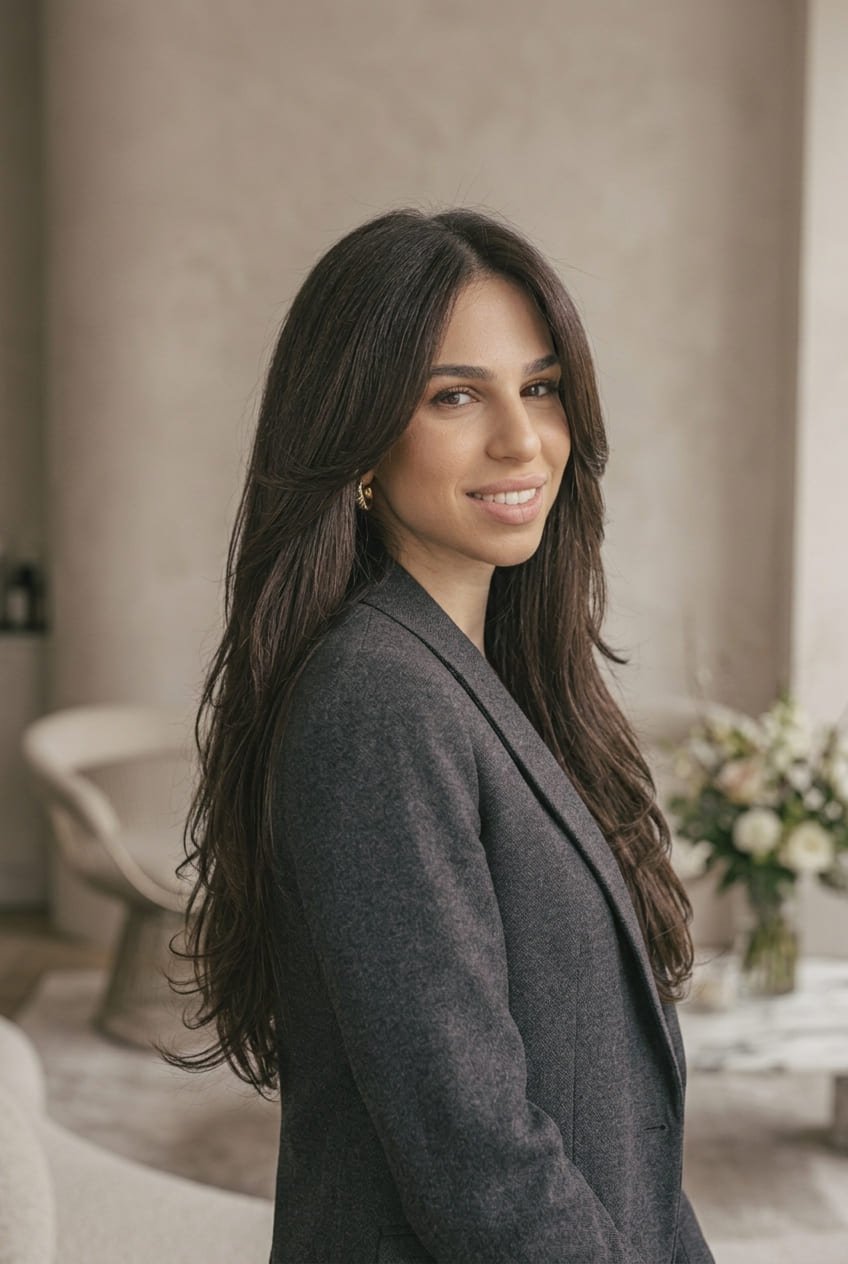
A butterfly haircut long hair style is a versatile way to add movement, volume, and face-framing shape while keeping your hair looking long.
The most important decision is not simply whether to get a butterfly cut. It is choosing the version that fits your hair, face, desired length, and lifestyle.
Before your appointment, consider these five factors:
Overall length + hair density + natural texture + face-framing preference + styling routine.
If preserving length is your priority, ask for long, blended layers and clarify exactly where you want the shortest layer to fall.
If you want a dramatic, bouncy finish, you can choose stronger upper layers and more noticeable face framing.
Most importantly, do not choose a butterfly haircut based on a photo alone. Use reference images to communicate the shape, then work with your stylist to adapt that shape to the hair you actually have and the way you actually wear it.
Harry is a hair and beauty content creator at HairGlowBlog, sharing practical tips on hairstyles, hair care, hair styling, and beauty trends. Her content focuses on easy hairstyle ideas, hair care routines, styling tips, and inspiration for different hair types and occasions.

Leave a Reply