
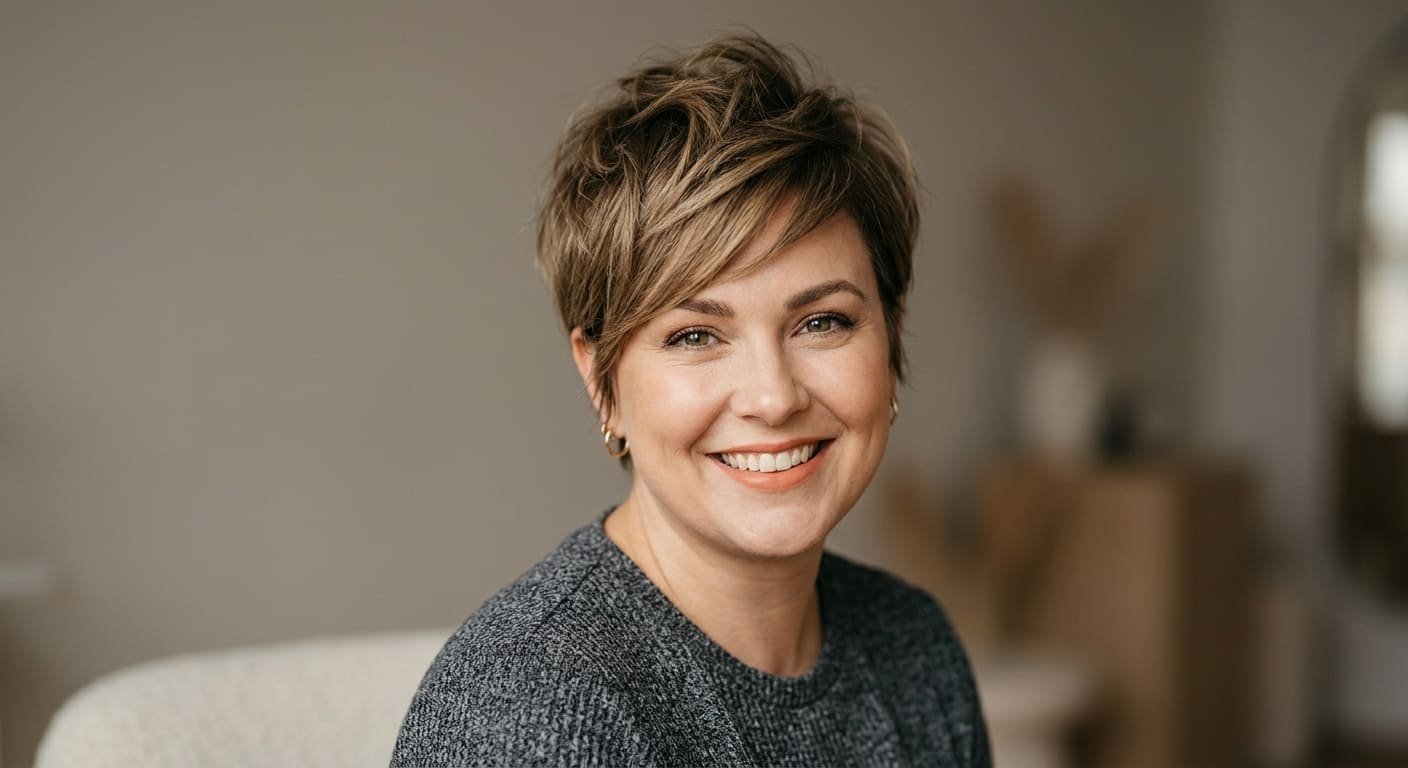
You want the attitude of a sharp, edgy pixie, but a little voice is asking, “Won’t this make my face look rounder?” It’s the most common worry with short hair, and it’s a fair one. The good news is that edgy pixie cuts for round faces can work beautifully when the shape is built the right way.
The trick is not to avoid bold cuts. It’s to choose angles, height, and texture that balance your proportions. This guide shows 15 styles across three levels of edge, explains why each one works, and covers the practical questions most galleries skip: hair type, glasses, work, double chins, upkeep, and what to do if you change your mind.

Key Takeaways
- A round face has similar width and length, with soft cheeks and a gently curved jaw.
- The balancing rule: add height, subtract width.
- Lifted crowns, angled fringes, asymmetry, and tapered sides work best.
- Rounded outlines and fullness at cheek level work against you.
- Choose your intensity on the Edge Dial: subtle, medium, or maximum.
- Many stylists recommend a trim every four to six weeks to keep a pixie sharp.
In this guide
- Can a round face pull off an edgy pixie?
- The Edge Dial
- The balancing rule
- 15 styles by edge level
- Hair texture guide
- Fringe, glasses, and color
- Work and events
- Stylist script
- Styling and upkeep
- Mistakes and grow-out
- FAQ
How these styles were chosen: Each style below was selected for features that tend to suit round faces, such as height on top, angled lines, and controlled width at the sides. They also span different hair textures and comfort levels. This is styling guidance, not a guarantee, since every face, hairline, and hair type is different.
Can a Round Face Pull Off an Edgy Pixie? The Short Answer
Yes, in most cases. A round face is one where the width and length are similar, with soft cheeks and a gently curved jaw. Edgy pixies suit this shape because they bring in angles, lift at the crown, and asymmetry, which draw the eye up and across instead of out. A pixie that adds width at the cheeks can feel off, while one that adds height and sharp lines usually feels balanced.
The cut’s design matters more than whether your face “qualifies.”
Quick tip: If a pixie has volume on top and clean, close sides, it’s already working in your favor.
What Makes a Pixie “Edgy”? The Edge Dial
A classic pixie is short, neat, and soft. An edgy pixie pushes that further with contrast, texture, or an unexpected shape, such as an undercut, a choppy finish, a lopsided fringe, or sides that sit much shorter than the top. Edgy isn’t one look, and it doesn’t have to be extreme.

The Three Levels: Subtle, Medium, and Maximum Edge
Think of edge as a dial you can turn up or down. We’ll call it the Edge Dial.
| Edge level | Typical features | Best for | Maintenance |
|---|---|---|---|
| Subtle | Soft texture, longer top, gentle taper | First-time pixie wearers, office settings | Lower |
| Medium | Choppy layers, asymmetry, disconnected lengths | People who want a visible statement | Moderate |
| Maximum | Undercuts, shaved sections, sharp fringe, fades | Confident, bold, alternative styles | Higher |
Pick the level that matches your comfort, not just your Pinterest board.
The Balancing Rule: Add Height, Subtract Width
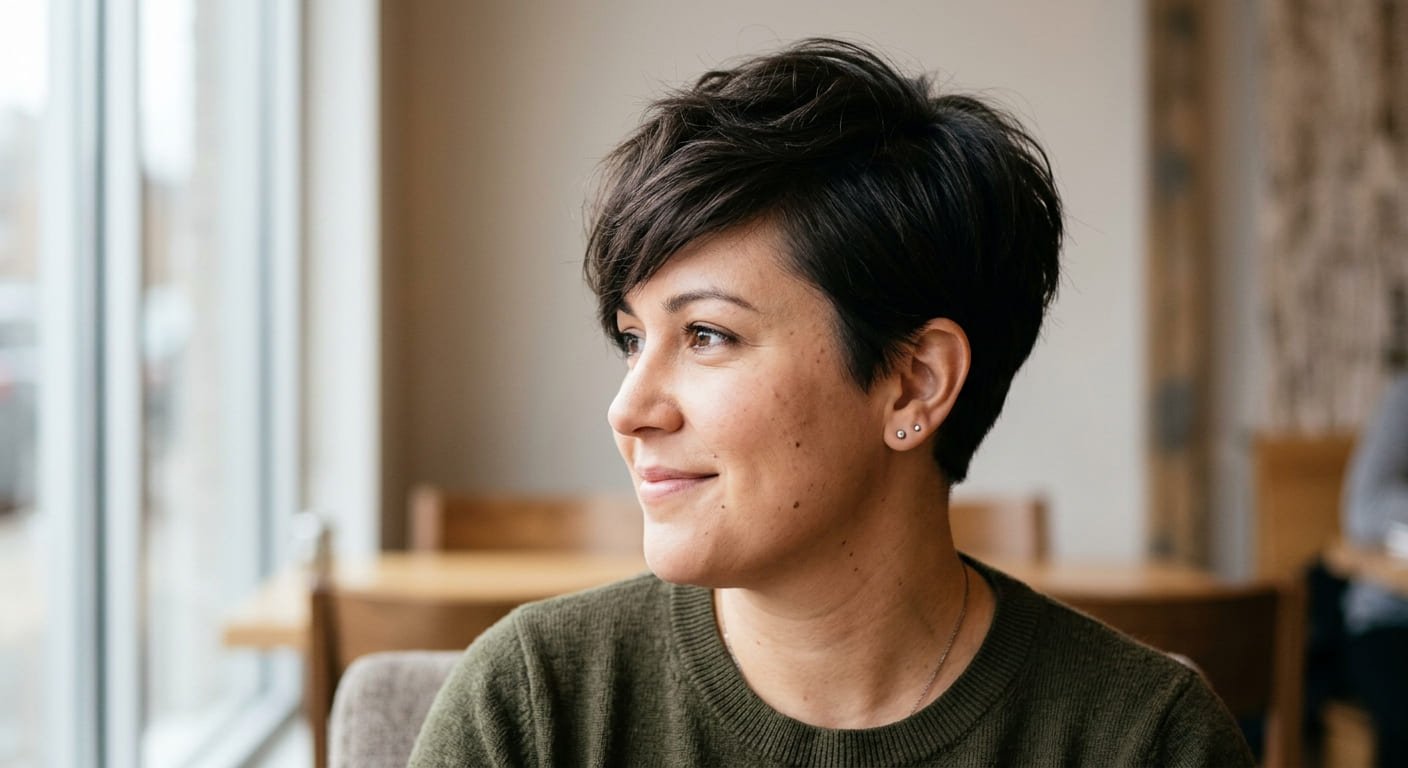
If you remember one idea from this article, make it this one. On a round face, the goal is to create the look of length and structure.
What to Build In
- Height at the crown. Lifted roots and a longer top add vertical lines.
- Angles and asymmetry. A slanted fringe or one side shorter than the other breaks up the roundness.
- Tapered sides. Closer sides keep width from building up around the cheeks.
- Texture on top. Piecey, separated layers draw the eye upward.
What Works Against You
- Rounded outlines. A smooth, bowl-like shape repeats the curve of the face.
- Volume at cheek level. Fullness right where the face is widest adds width.
- Blunt, rounded fringe. A heavy, curved bang can emphasize roundness.
What about a double chin or fuller neck? The same rule applies. Keep the nape and sides tidy, and add lift on top so the eye travels upward. A neat, tapered nape often looks sharper than one left bulky. If you’re unsure, ask your stylist how the neckline will frame your jaw and neck.
These cuts don’t “slim” a face. They create visual balance, which is what makes a haircut feel right.
Subtle Edge: Softer Pixies for Easing Into the Look
These styles keep a gentle feel while adding the lift and angles a round face likes. They suit anyone nervous about going bold.

Style 1: Textured Pixie With a Lifted Crown
Short sides, a little length on top, and roots styled upward. The lift adds height, and the texture keeps it relaxed. Best for: fine to medium hair that needs body. Maintenance: low to moderate.
Style 2: Long-Top Pixie With a Soft Side Sweep
The top stays longer and sweeps diagonally across the forehead. The diagonal line cuts across the face and keeps the look from feeling flat. Best for: anyone who likes a bang without a heavy fringe. Maintenance: low.
Style 3: Tapered Pixie With Feathered Ends
The sides and nape taper close while the top finishes in soft, feathered tips. It’s polished but easy to wear. Best for: straight to slightly wavy hair. Maintenance: moderate, since the taper needs regular upkeep.
Style 4: Bixie-Style Pixie With Wispy Layers
A bixie sits between a pixie and a bob, with a little extra length around the ears and nape. Keep the layers wispy and the top lifted so the length doesn’t add width at the jaw. Best for: people growing out a bob who want something shorter. Maintenance: low.
Style 5: Swept-Back Pixie With a Mild Taper
Hair brushed up and back shows off your forehead and cheekbones and adds natural height. Best for: thick or wavy hair that holds a shape. Maintenance: low to moderate.
Medium Edge: Pixies With Clear Attitude
Here the cut starts making a statement. Texture gets rougher, angles get sharper, and lengths begin to contrast.

Style 6: Choppy Razor-Textured Pixie
A razor or point-cutting technique gives the ends a broken, piecey finish. The texture adds movement and keeps the top from lying flat. Best for: hair with some natural body, since very fine hair may need a lighter hand. Maintenance: moderate.
Style 7: Asymmetrical Pixie With an Angled Side
One side is cut shorter or tucked behind the ear, and the other stays longer. That imbalance interrupts the roundness and adds visual interest. Best for: anyone who wants an edge that isn’t extreme. Maintenance: moderate.
Style 8: Disconnected Pixie With a Longer Top
The top is noticeably longer than the sides, with a clear contrast between the two. Styled up and over, it creates strong height. Best for: people who like a stylized, fashion-forward shape. Maintenance: moderate to high.
Style 9: Shaggy Pixie With Piece-y Layers
A pixie with lived-in, tousled layers that feel a little rock-and-roll. Keep the volume on top, not at the sides. Best for: wavy hair or anyone who prefers a messy finish. Maintenance: low to moderate.
Style 10: Spiky-Textured Pixie With Clean Sides
Defined, separated tips on top paired with neat, close sides. The contrast sharpens the look and keeps the width down. Best for: hair that takes product well and holds its shape. Maintenance: moderate.
Maximum Edge: Statement Pixies for Bold Personalities
These are the high-contrast cuts. Used well, shaved or very short sections make the top look taller and the face look more structured.

Style 11: Side Undercut Pixie
One side is cut very short while the top stays longer and falls over it. The short side removes width, and the longer top adds a strong diagonal. Best for: people who want drama they can soften or show off at will. Maintenance: high, since the shaved side grows out quickly.
Style 12: Nape Undercut With a Voluminous Top
The shaved section sits at the back, and the top carries the volume. It feels edgy from behind and softer from the front, so it’s a good in-between. Best for: anyone who wants a hidden edge that works at the office. Maintenance: moderate to high.
Style 13: Shaved-Temple Pixie
A small shaved area above the ear adds a graphic touch. Keep it small and positioned high so it adds sharpness without widening the face. Best for: people who want a detail rather than a full undercut. Maintenance: high.
Style 14: Fade-Sided Pixie
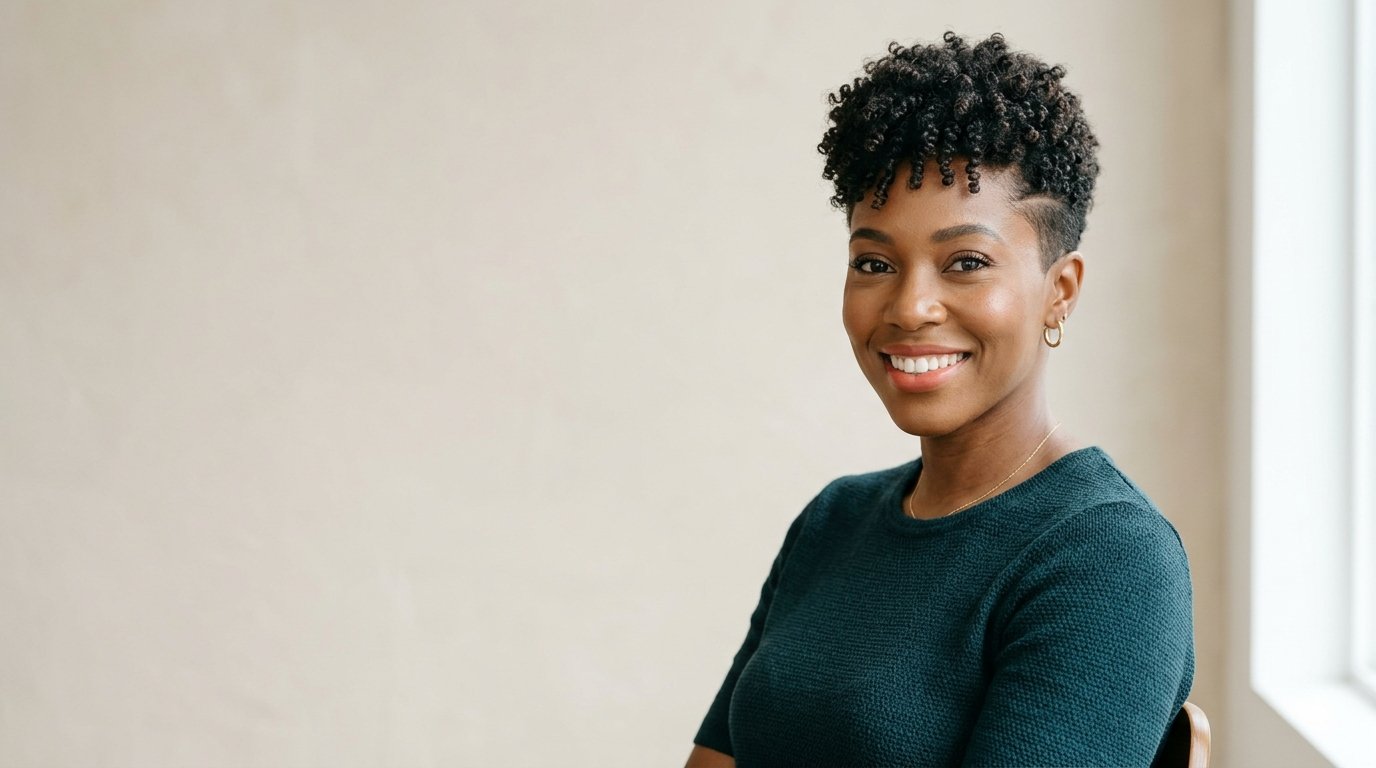
The sides blend from very short to skin-close, giving a clean, modern finish. Pair it with a textured top for balance, since the contrast makes the crown look taller. Best for: confident wearers who like a crisp, barbered look. Maintenance: high.
Style 15: Punk-Inspired Pixie With a Sharp Fringe
Choppy, angled bangs and a bold overall shape. Keep the fringe slanted instead of blunt so it elongates the face. Best for: alternative styles and bold color. Maintenance: high.
A note on undercuts: keep the shaved area high and narrow. A wide, low undercut can sometimes make the sides look wider or the top look boxy, depending on your head shape and hair density, so talk through placement with your stylist.
Matching the Cut to Your Hair Texture and Density
The same cut can look completely different depending on your hair.
| Hair type | Best edgy variation | What to avoid | Styling tip |
|---|---|---|---|
| Fine or thin | Textured pixie, feathered or choppy top | Heavy, blunt cutting that flattens | Use a root lifter and light texture product |
| Thick | Tapered sides, disconnected or undercut styles | Bulky layers that add width | Ask for weight removal |
| Wavy | Shaggy or choppy pixie | Ultra-short cuts that spring up | Use a light cream or mousse to define waves |
| Curly | Longer-top pixie with shaped sides | Cutting the sides too round | Keep volume on top and tidy the perimeter |
Fine or Thin Hair
Texture is your friend. A choppy or feathered finish creates the look of thickness, and a lifted crown gives you the height you need. Avoid very blunt cuts, which can make fine hair look flat.
Thick Hair
Thick hair can build a wide, triangular shape if it isn’t managed. Tapered sides and some weight removal keep the silhouette controlled while still giving you a strong, structured top.
Wavy and Curly Hair
Waves and curls add natural texture and volume, which helps on top. The goal is to shape the sides and nape so the curl doesn’t bulk out at the cheeks. A stylist experienced with curly cutting makes a real difference here.
Cowlicks and Tricky Growth Patterns
A strong cowlick or unusual hairline can change how a pixie falls. Mention it at the start of your consultation, since a good stylist can work with the pattern, for instance by leaving a little extra length where hair tends to spring up.
Fringe, Glasses, and Color: The Details That Change the Look
Small choices make a big difference with a short cut.
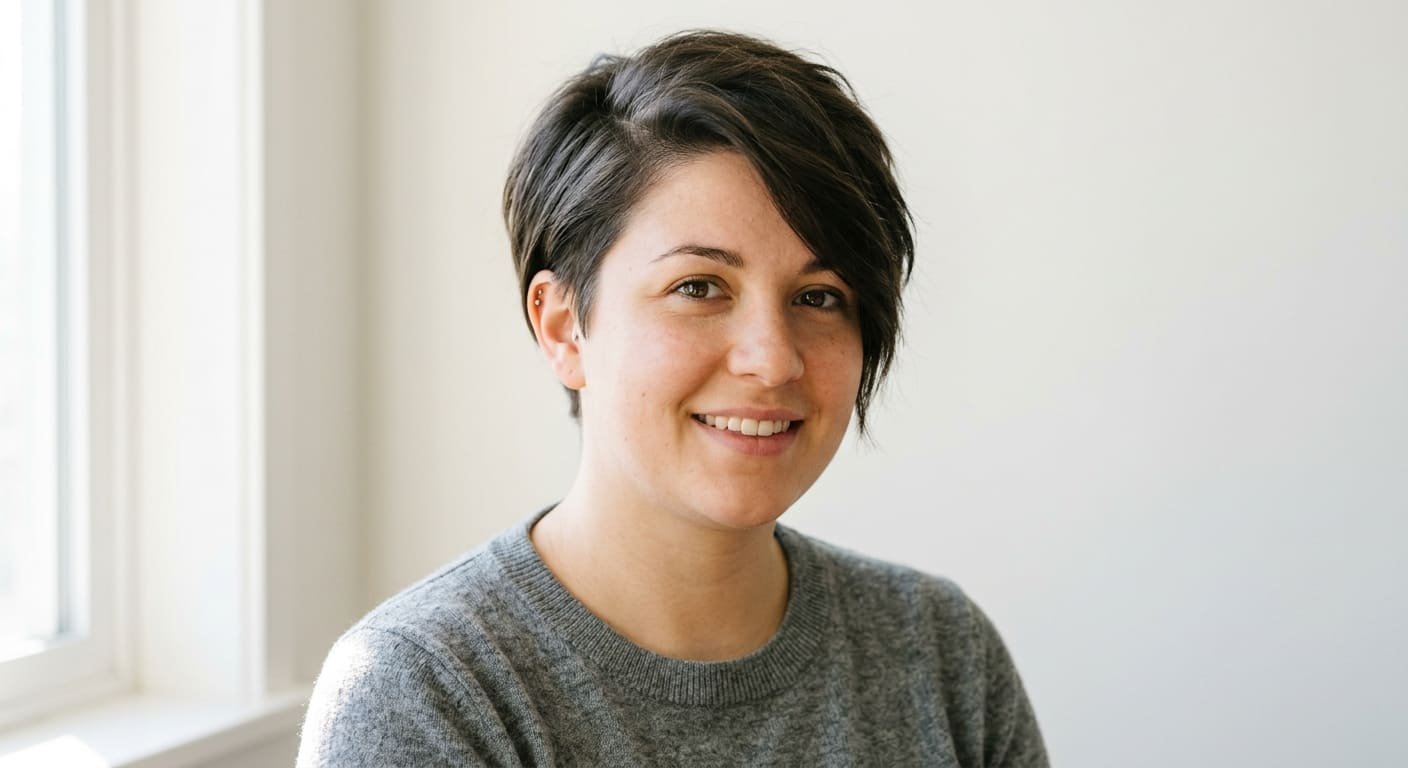
Which Bangs and Fringe Shapes Work Best
Side-swept, slanted, and wispy fringes tend to flatter a round face because they create diagonal lines. Long, piecey bangs also work well. Short, blunt, rounded bangs are riskier, since they can echo the curve of the face. If you love bangs, ask for them to be textured and angled.
Wearing an Edgy Pixie With Glasses
Glasses and pixies pair well, but the details matter. Make sure the fringe doesn’t collide with the frames, and check that the sides don’t bunch up around the temples. Bring your glasses to the salon so your stylist can cut around them.
Color Choices That Add Edge Without Adding Width
Color can reinforce the shape of your cut. A darker root with lighter ends adds depth and the illusion of height, while highlights on the top can bring out texture. Bleached or vivid shades are a bold way to push the edge further, though they do need extra care.
Example: A pixie with a darker root and lighter, textured tips can make the crown look fuller, which supports the “add height” rule.
Can You Wear an Edgy Pixie to Work, School, or Special Events?
Yes. An edgy pixie is more flexible than it looks, because you can turn the edge up or down with styling alone.
- Office: Smooth the top with a small amount of product, sweep the fringe to the side, and keep the texture soft.
- Formal event: Slick the top back or to the side for a polished, deliberate look.
- Casual weekend: Rough it up with texture paste and let the layers go messy.
Some workplaces have stricter norms than others. If you’re concerned about shaved sections, start with a subtle style or keep the undercut at the back, where it can stay hidden when needed.
How to Ask Your Stylist for the Cut
Good communication prevents most haircut regrets.
What to say
- Describe the length on top, sides, and nape (for example, “short and tapered at the sides, longer on top”).
- Say which direction you want the fringe to fall.
- Mention the texture you want, such as choppy, soft, or razor-finished.
- Explain how edgy you want it, using the Edge Dial above.
- Mention that you have a round face and want height and angles instead of width.
What to bring
- Two or three reference photos, ideally from different angles
- Photos of people with a similar hair texture
- Notes on how much time you’re willing to spend styling
- Information about your hair history, like bleach or color
A good stylist will adjust the cut to your face shape, hair density, and growth pattern.
Daily Styling, Products, and Upkeep
Short hair is quick to style, but it needs regular maintenance to hold its shape.
A Quick Daily Routine
- Start with damp hair and, if you need lift, a bit of mousse or root spray at the crown.
- Blow-dry upward and away from the face for height.
- Finish with a small amount of texture product on the ends.
Products Worth Having
- Texture paste or clay: for definition and separation
- Matte wax or pomade: for hold and a rougher finish
- Volumizing mousse or root lifter: for crown height
- Sea salt spray: for a tousled, lived-in feel
- Heat protectant: if you blow-dry or use hot tools
- Dry shampoo: for lift and refreshing between washes
Salon Frequency and Cost Over a Year
Many stylists recommend trimming a pixie every four to six weeks to keep the shape sharp, though softer styles can often go a little longer. Prices vary widely by salon, city, and stylist, so check your local rates before budgeting.
| Task | Typical frequency | Notes |
|---|---|---|
| Shape-up trim | Every 4-6 weeks (approximate) | Keeps sides and nape tidy |
| Color touch-up | Depends on your color | Bleached or vivid shades need more care |
| Styling products | Replace as needed | Cost varies by brand |
Common Mistakes and Who Should Think Twice
Edgy pixies flatter many round faces, but a few mistakes can undermine the look.
- Too much width at the sides. Fullness at cheek level makes the face look wider.
- A flat, rounded top. Without lift, the shape can feel heavy.
- A short, blunt fringe. It can echo the roundness instead of balancing it.
- Ignoring your hair type. A cut that works on straight, fine hair may not behave on thick or curly hair.
- Skipping the consultation. A cut that isn’t tailored to your growth pattern can fall wrong.
Who should think twice: If you rely on long hair for comfort or personal style, or you dislike frequent salon visits, a full pixie may feel like a lot. That doesn’t mean you can’t go short. It may just be worth easing in.
A bridge option: If you’re hesitant, try a long pixie, a bixie, or a cropped bob with textured layers first. They give you a taste of short hair with more room to adjust.
Pixie or bob for a round face? A pixie shows off height and angles, so it often suits a round face well. A bob can work too, but a chin-length, rounded one may add width at the jaw. If you want a bob, a longer, angled, or textured version with lift at the crown usually balances better.
Growing It Out If You Change Your Mind
Hair grows at its own pace, so there’s no exact timeline, but the process tends to follow a few stages.
- Early stage: The shape softens and the sides start to fill in. A trim at the nape keeps things tidy.
- Awkward middle: The top is long enough to flop, but the sides haven’t caught up. This is the stage where most people give up, so lean on headbands, clips, or a side part.
- Later stage: The cut starts to resemble a bixie or short bob, and you can shape it with layers.
Regular, small trims help guide the grow-out so it doesn’t look unkempt, and a stylist can shape it toward your target length.
Frequently Asked Questions
Do edgy pixie cuts make round faces look rounder?
Not if the cut is built well. Height at the crown, angled lines, and tapered sides create balance and draw the eye upward. The risk comes from rounded shapes and extra volume at cheek level, which can echo the face’s curves. Ask your stylist to keep the top lifted and the sides close.
What is the most flattering edgy pixie for a round face?
There’s no single answer, but a textured pixie with a longer top and an angled, side-swept fringe is a reliable choice. It adds height and diagonal lines, both of which help balance a round face. From there, you can turn the Edge Dial up with an undercut or sharper texture.
Does an undercut work on a round face?
It can. A high, narrow undercut paired with volume on top often looks sharp and balanced, because the short sides reduce width while the top adds height. A wide or low undercut may not flatter everyone, so discuss placement with your stylist before the clippers come out.
Is a pixie cut good for a double chin?
It can be. Lift on top and a clean, tapered nape draw the eye upward and keep the neckline tidy. Avoid rounded shapes that finish at the jaw, which can add width. A stylist can adjust the nape and sides to suit your neck and jawline.
What bangs suit a pixie on a round face?
Side-swept, slanted, or wispy bangs usually work best, since diagonal lines add length. Long, textured fringes also flatter. Short, blunt, rounded bangs can echo the curve of the face, so they’re a riskier choice. If you want bangs, ask for them to be cut with angle and texture.
What’s the difference between a pixie and a bixie?
A pixie is cropped short at the sides and nape. A bixie is a pixie-bob hybrid, with extra length around the ears and nape and softer, more blended layers. A bixie is a good stepping stone if you want short hair without committing to a very short cut.
Can fine or thick hair carry an edgy pixie?
Yes. Fine hair benefits from texture and lift, which create the look of fullness, while thick hair needs weight removal and tapering to avoid bulk at the sides. Both can look excellent when the cut matches the hair’s density and natural growth pattern.
How often does an edgy pixie need a trim?
Many stylists recommend every four to six weeks to keep the shape defined, especially with undercuts, fades, and tapers. Softer, shaggier styles can often go a little longer. Your stylist can suggest a schedule based on how fast your hair grows and how sharp you want the look.
Can women over 40 or 50 wear an edgy pixie?
Yes. Age isn’t a barrier. What matters is the cut’s design, your hair texture, and how you want to feel. Many people choose a subtle or medium edge and add personality through texture or color. Turn the Edge Dial to whatever feels most like you.
How do I pair an edgy pixie with glasses?
Check that the fringe and sides don’t collide with your frames. Fringe that sweeps to the side or sits above the frames usually works well. Bring your glasses to the salon so your stylist can cut around them and keep the temples neat.
Harry is a hair and beauty content creator at HairGlowBlog, sharing practical tips on hairstyles, hair care, hair styling, and beauty trends. Her content focuses on easy hairstyle ideas, hair care routines, styling tips, and inspiration for different hair types and occasions.

Leave a Reply